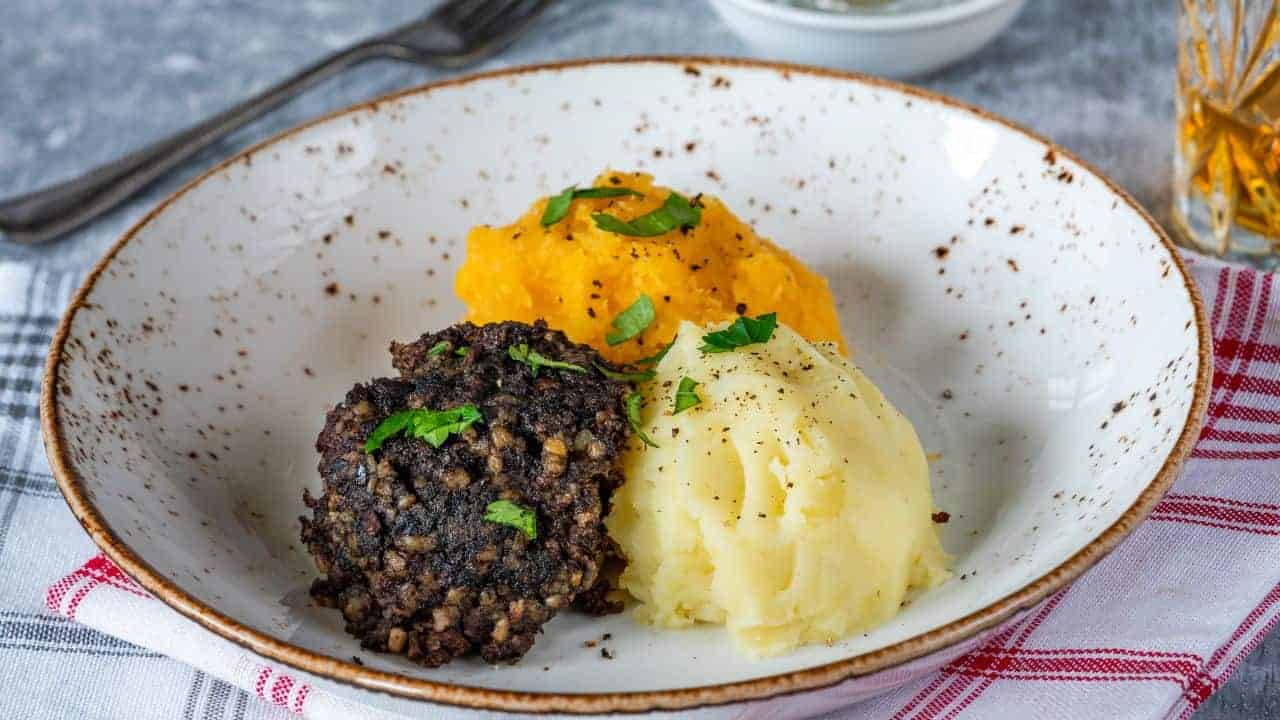
While many travelers might be familiar with Scotland’s iconic whisky or its famous shortbread, there’s so much more to discover when it comes to Scottish cuisine. I take small groups of women to Scotland a couple of times a year and one of my favorite things is introducing them to Scottish food.
There’s a little bit of a stigma linked to certain Scottish foods but let me just tell you, for those willing to explore beyond the familiar, Scotland offers an array of flavors and textures that might surprise even the most seasoned foodies.
I’m going to take you on a little culinary journey through 20 Scottish foods that you absolutely need to try. These aren’t just the typical dishes you might find in a tourist guide – they are authentic, beloved by locals, and likely something you’ve never tried before.
Haggis
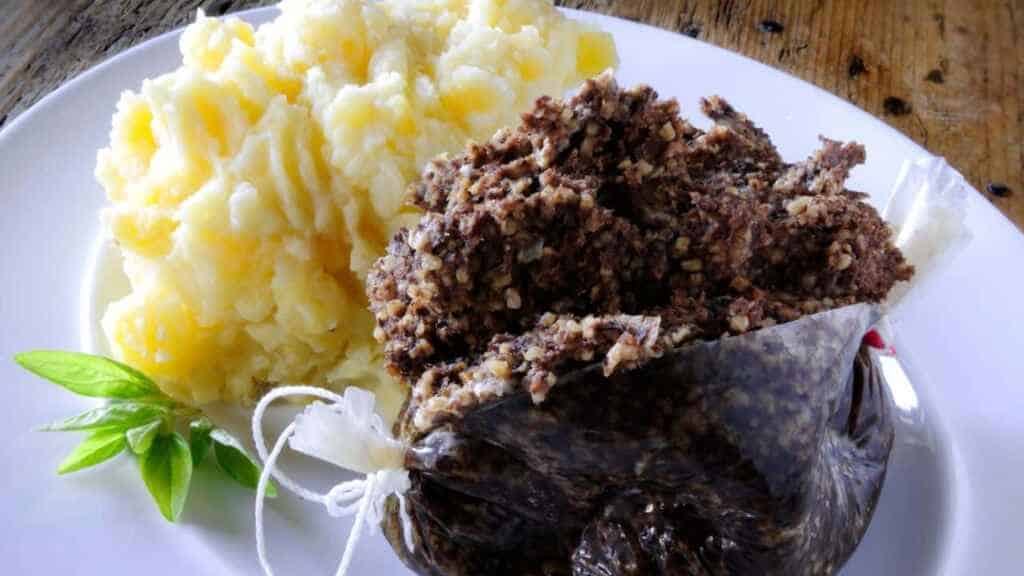
Ok so probably the most infamous of Scottish foods so we’re going to tackle this one first thing. Haggis is a savory pudding made from sheep’s heart, liver, and lungs, mixed with onions, oatmeal, and spices. This mixture is traditionally encased in the animal’s stomach and simmered for hours, resulting in a rich, hearty flavor that’s unlike anything else.
Despite the ingredient list, I love haggis and you have to promise me you’ll try it if you get the chance. Haggis is often served with “neeps and tatties” (which I’ll get to in a minute).
Neeps and Tatties
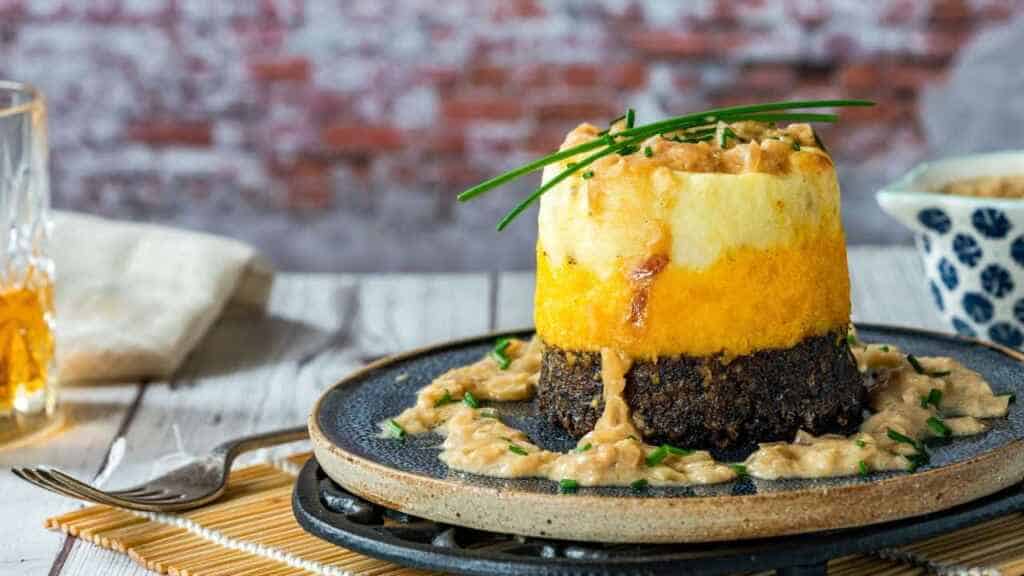
As I mentioned, Neeps and Tatties are a classic Scottish side dish served with haggis, consisting of mashed turnips (neeps) and potatoes (tatties). The slightly sweet flavor of the turnips complements the earthy potatoes, creating a balanced and hearty dish.
This dish is a staple on Burns Night, where it’s served alongside haggis and a whisky sauce. Neeps and Tatties are enjoyed across Scotland, but they’re particularly associated with rural areas, where root vegetables have always been a significant part of the diet.
Cullen Skink
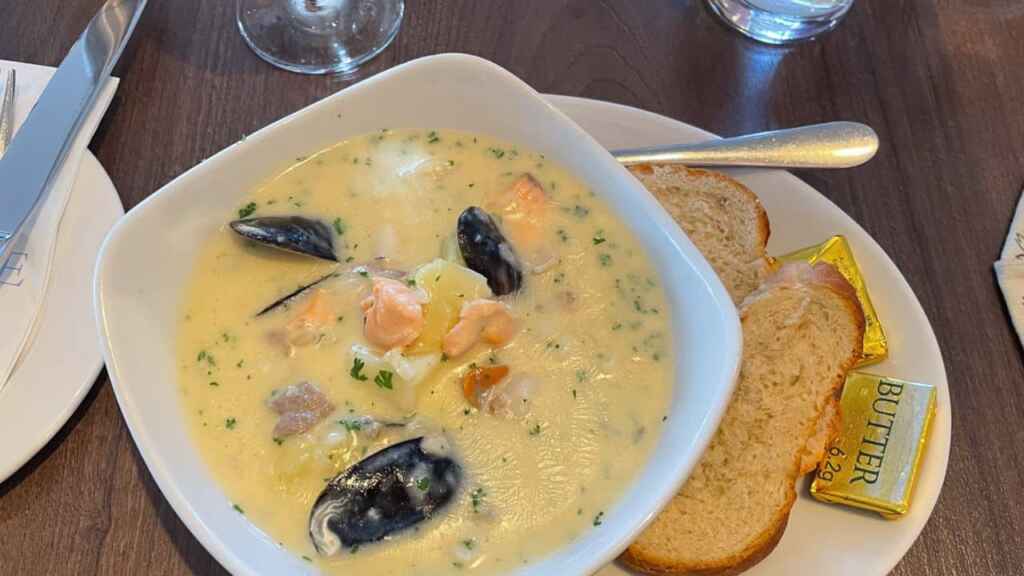
Cullen Skink is my all-time favorite soup in the whole world. It’s made from smoked haddock, potatoes, and onions, creating a creamy and comforting dish. The soup’s smoky flavor comes from the haddock, which is cooked with potatoes and onions until the ingredients meld into a thick, hearty soup.
Originating from the small town of Cullen in Moray on Scotland’s northeast coast, Cullen Skink is a staple of the region’s cuisine.
Arbroath Smokie
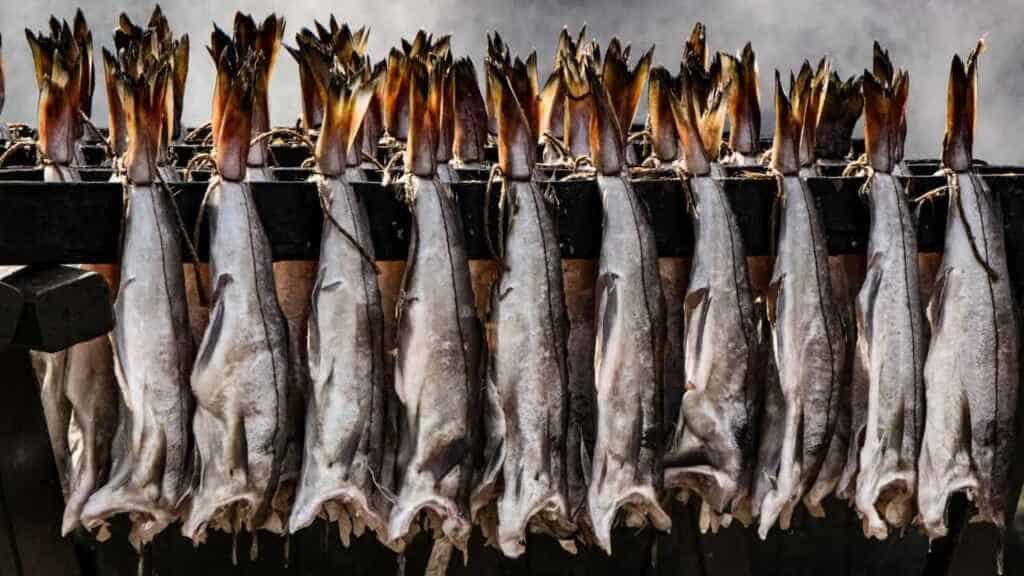
An Arbroath Smokie is a type of smoked haddock prepared using traditional methods in the town of Arbroath, located on Scotland’s east coast. The fish is hot-smoked over hardwood, giving it a distinctive, robust flavor and a slightly flaky texture.
The preparation of Arbroath Smokies is a craft that has been passed down through generations in Arbroath. The method is so unique that it has earned Protected Geographical Indication (PGI) status, meaning only haddock smoked in this specific way within that area can be called an Arbroath Smokie.
Scotch Pie
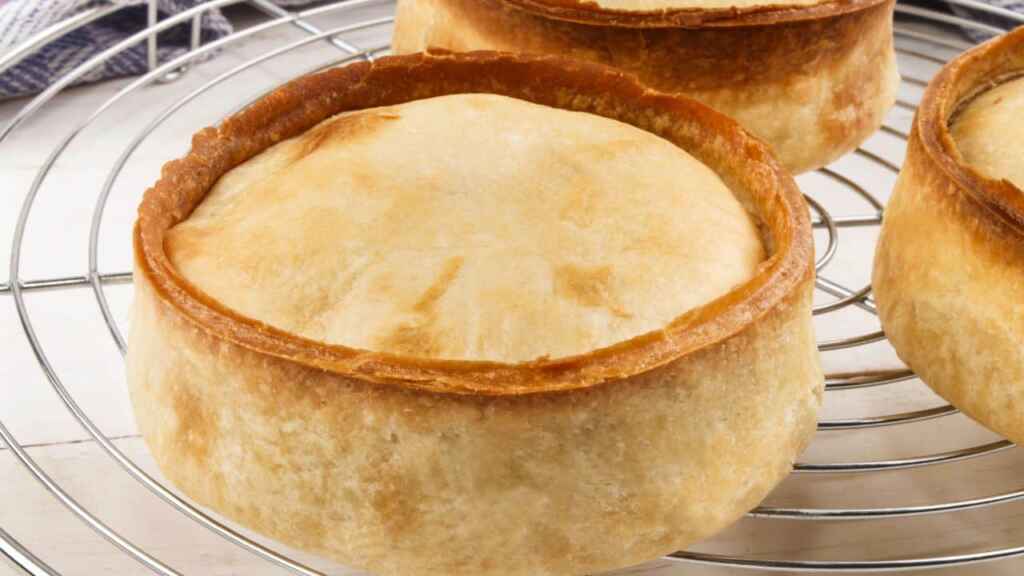
Scotch Pie is a small, round pie filled with minced mutton or lamb, seasoned with a blend of spices. The pie has a distinctive crispy crust and is often served hot as a snack or alongside mashed potatoes and peas. The savory filling and flaky crust make it a satisfying treat, beloved by Scots.
While you can find these pies throughout Scotland, some of the best are said to come from the town of Ayr, where local bakers have honed the recipe to perfection over centuries.
Black Pudding

Black pudding is a type of blood sausage made from pork blood, oatmeal, and spices. Another one that I love even though the description seems a little scary. It’s typically sliced and fried as part of a traditional Scottish breakfast.
Stornoway Black Pudding, from the Isle of Lewis in the Outer Hebrides, is particularly renowned for its quality. The high oat content and distinct seasoning give it a milder flavor compared to other blood sausages. This version of black pudding is so famous that it, too, has been awarded PGI status.
Lorne Sausage (Square Sausage)

Lorne Sausage, also known as square sausage, is a uniquely Scottish sausage that, as the name suggests, is square in shape. Unlike most sausages, it’s made without a casing and is typically served in a breakfast roll. The sausage is usually made from minced beef or pork mixed with rusk and spices.
This sausage goes back a far as 1884 and has been a favorite ever since.
Forfar Bridie
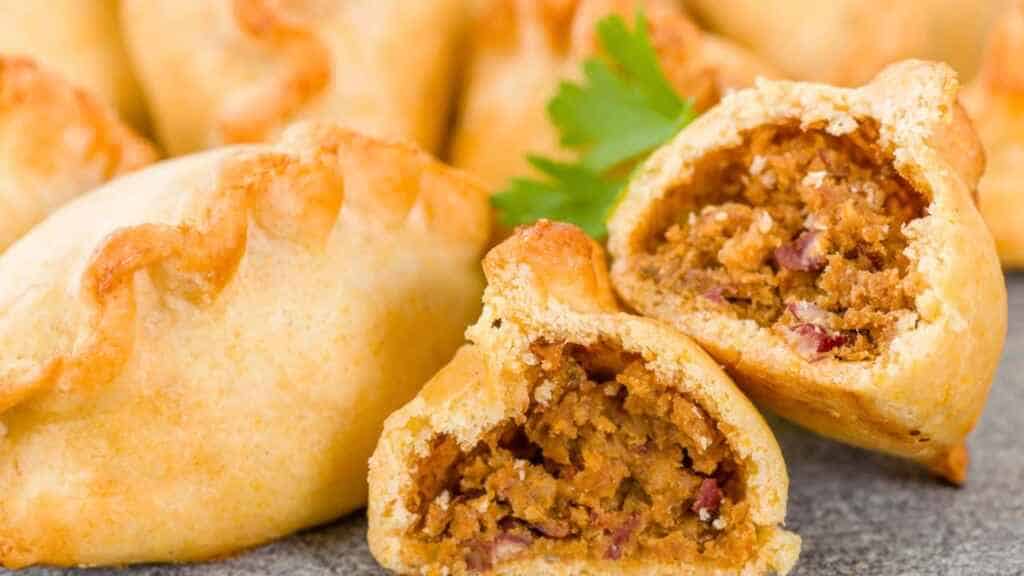
A Forfar Bridie is a type of meat pastry from the town of Forfar in Angus. It’s typically filled with minced beef, onions, and sometimes a hint of suet (beef drippings), all encased in a flaky, buttery pastry. As the story goes, the Bridie is named after Margaret Bridie, a baker in Forfar who is credited with creating the pastry in the 19th century.
It was originally made for farmworkers as a portable meal and has since become a beloved Scottish snack. Forfar remains the best place to try an authentic Bridie, with local bakers continuing the tradition.
Cranachan
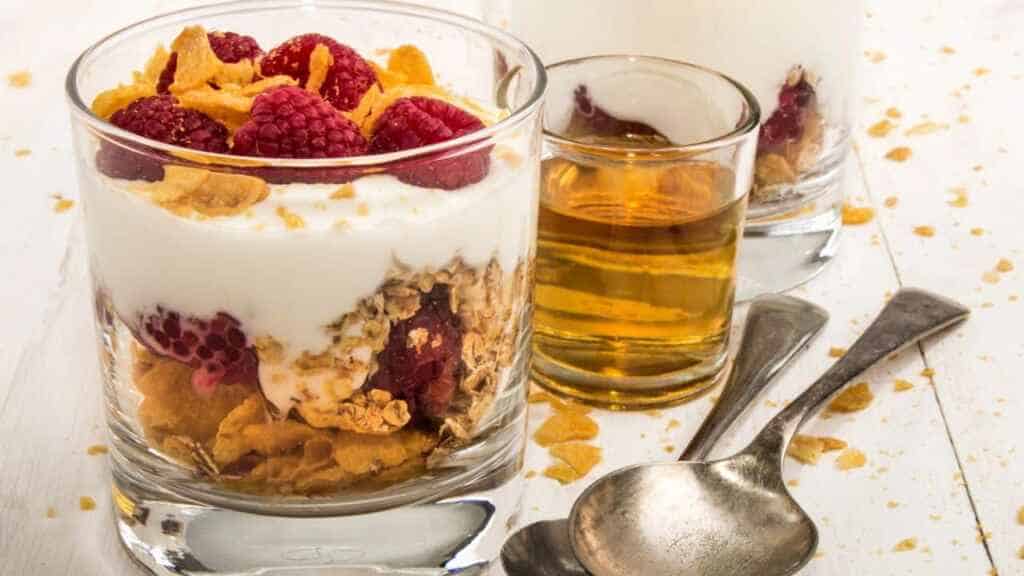
Cranachan is a traditional Scottish dessert made from whipped cream, honey, fresh raspberries, toasted oats, and a splash of whisky. The ingredients are layered or folded together, creating a light yet indulgent dessert that’s often served during celebrations.
Cranachan has its roots in harvest festivals, where it was originally made with crowdie (keep reading, we’ll get there). Today, it’s a popular choice in Scottish restaurants, where chefs often put their own spin on the dessert, but the basic combination of cream, whisky, and raspberries remains the same.
Tablet
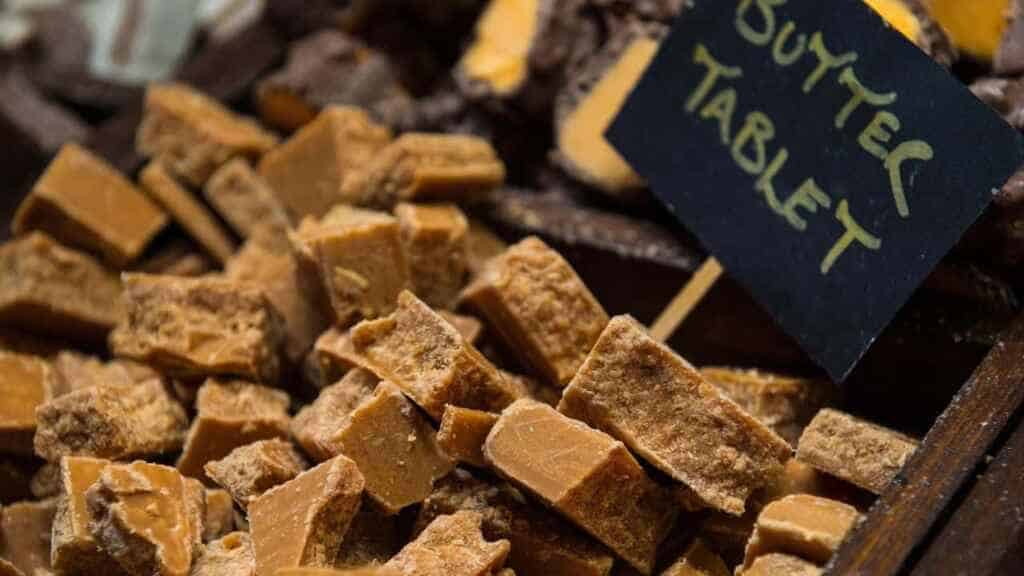
Tablet is a super sweet treat (too sweet for me) made from sugar, condensed milk, and butter, cooked until it forms a crystalline texture that’s somewhere between fudge and toffee. It’s much harder and grainier than fudge, with a rich, buttery flavor that’s incredibly moreish.
Tablet has been a favorite Scottish confection for centuries and is often made at home for special occasions. You’ll find tablet in almost every sweet shop in Scotland, particularly in the Highlands and Islands, where it’s a beloved part of local culture.
Clapshot
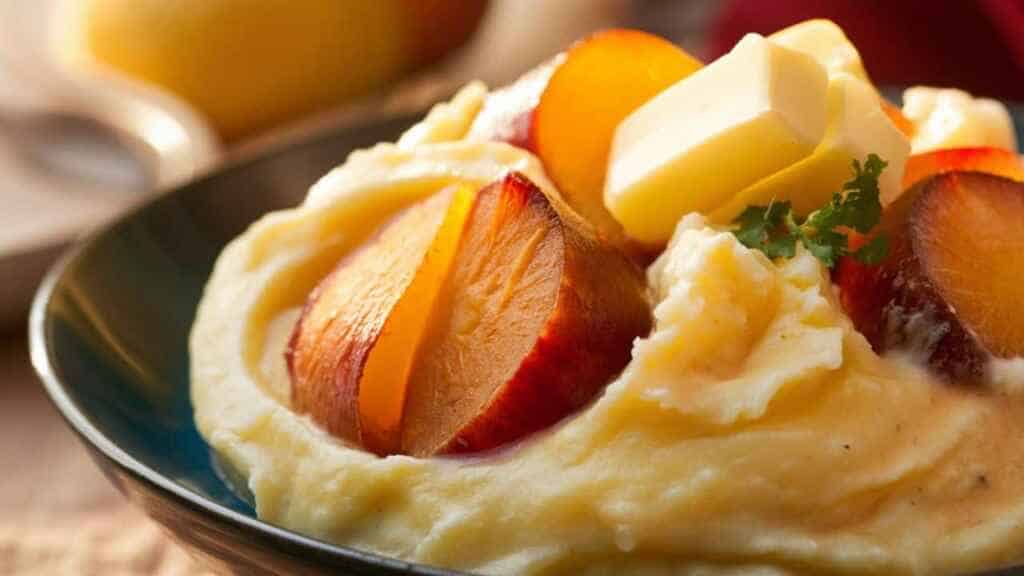
Clapshot is a traditional Scottish side dish made from mashed potatoes and rutabaga (often called swede in Scotland), mixed together with butter and chives or onions. It’s a simple, comforting dish that pairs particularly well with haggis, but it can also accompany other meats or be enjoyed on its own.
Clapshot originates from the Orkney Islands, where the dish is still a staple. It’s a perfect example of Scottish comfort food, made from simple, hearty ingredients.
Scotch Broth
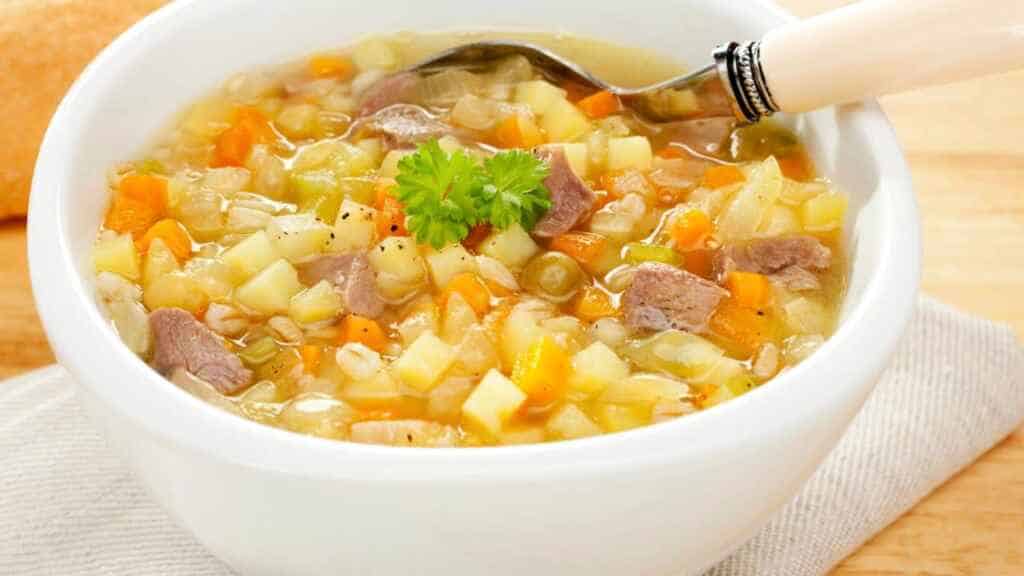
Scotch Broth is a traditional soup made with a base of lamb or beef, pearl barley, and a variety of root vegetables like carrots, leeks, and onions. The result is a thick, hearty soup that’s both nourishing and full of flavor, perfect for a cold day.
Scotch Broth is often made in large batches to be enjoyed over several days. It’s particularly popular in the winter months, and it seems like every Scottish family has their own version of the recipe, often passed down through generations.
Skirlie
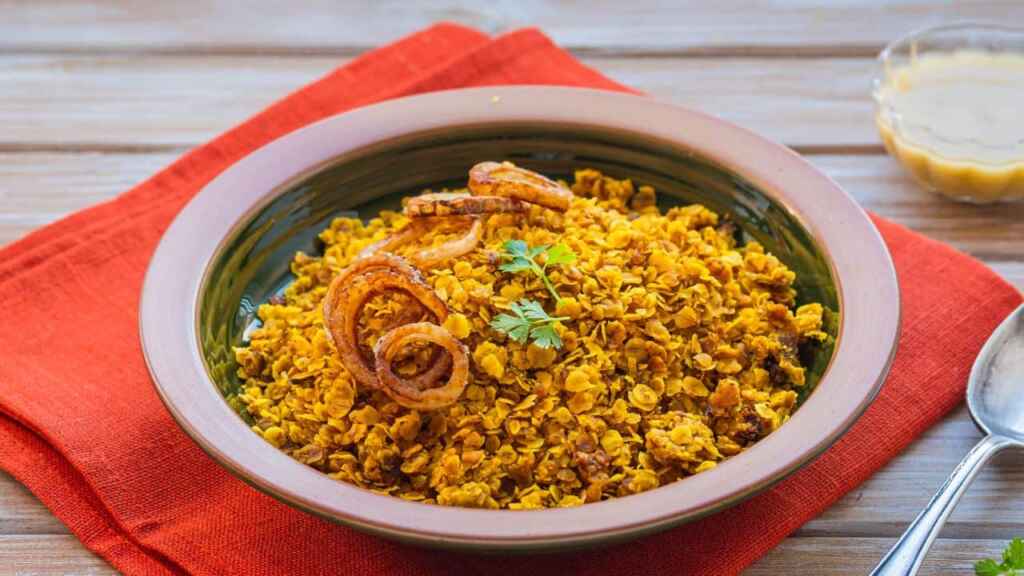
Skirlie is a dish made from oatmeal, onions, and suet or butter, cooked together to create a savory, crumbly side dish. It’s similar to stuffing or dressing and is often served alongside meats, particularly with roast chicken or game.
Skirlie is a versatile dish that has been a staple in Scottish homes for centuries, particularly in rural areas where oatmeal was a common ingredient.
Selkirk Bannock
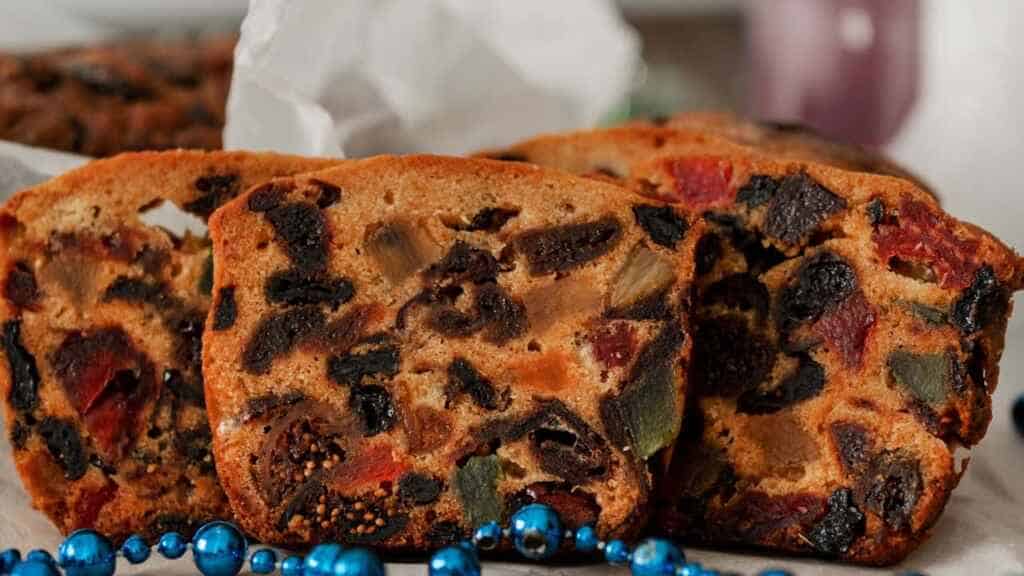
Selkirk Bannock is a type of fruit cake made with raisins and currants, originally from the town of Selkirk. The cake is rich and buttery, with a dense, moist texture that makes it a perfect accompaniment to a cup of tea.
The recipe for Selkirk Bannock dates back to the 19th century, and it has remained largely unchanged since then. It’s a popular treat during the festive season and is often given as a gift.
Partan Bree
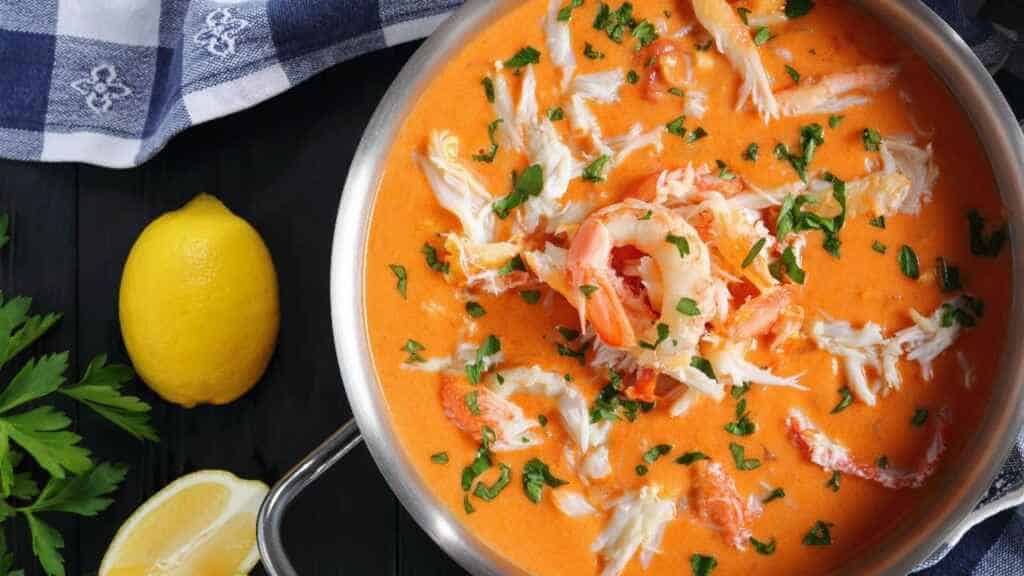
Partan Bree is a Scottish crab soup that combines the rich, briny flavors of fresh crab with rice and a variety of spices. The soup is thickened with cream, creating a luxurious and hearty dish that is both comforting and flavorful.
Partan Bree is particularly popular along the Scottish coast, where fresh seafood is abundant. The soup is typically made with local brown crab.
Potted Hough
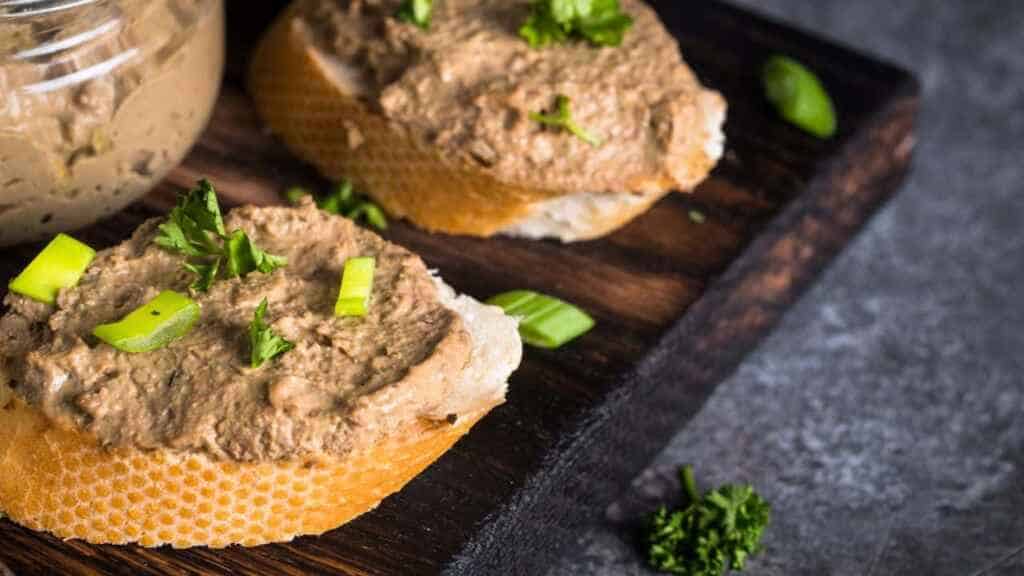
Potted Hough is made from boiled and pressed beef shin, which is then cooled to form a jelly-like terrine. The dish is typically served cold, often with oatcakes or bread as part of a light meal or starter.
Potted Hough has its origins in the Scottish Highlands, where it was a popular way of preserving meat before the advent of refrigeration.
Rumbledethumps
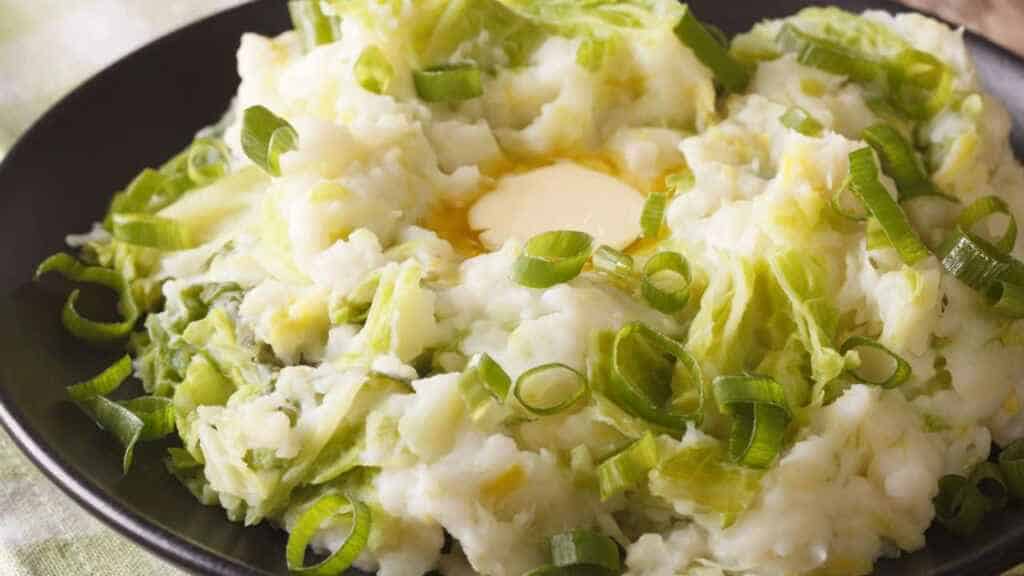
Rumbledethumps is a baked dish made from mashed potatoes, cabbage, and onions, similar to Irish colcannon (one of my favorite Irish dishes) or English bubble and squeak. The dish is often topped with cheese and baked until golden and crispy.
It’s a simple yet satisfying way to use up leftover vegetables, and it’s particularly popular in the colder months when hearty, warming meals are in demand.
Sowans
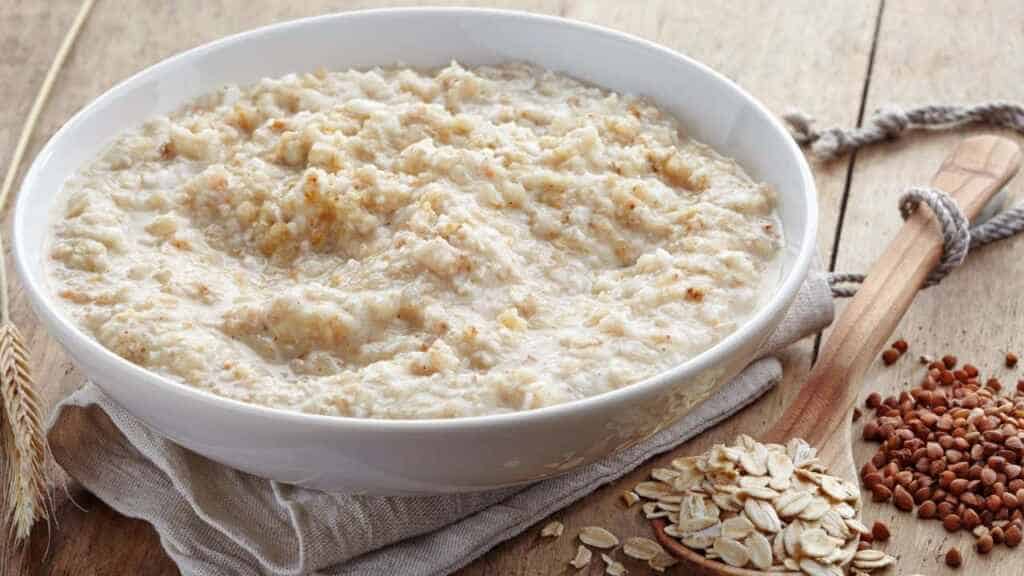
Made from the fermented husks of oats, Sowans is often served as a sour porridge. The dish has a distinctive tangy flavor, and while it might be an acquired taste, it’s a unique part of Scotland’s culinary heritage.
Sowans were once a common breakfast food in Scotland, especially in rural areas where oats were a staple crop.
Kedgeree
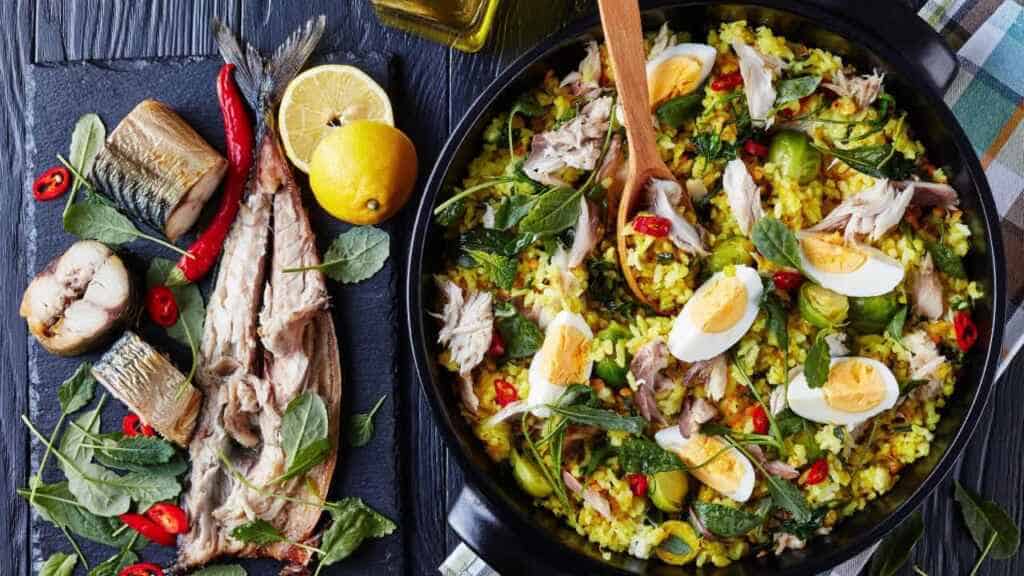
Kedgeree is a dish of flaked fish (usually smoked haddock), rice, eggs, and butter, with its roots in Scottish and Indian cuisine. It’s said that the dish was brought back from India by Scottish soldiers and it’s since become a breakfast staple.
The combination of smoky fish, creamy eggs, and fragrant rice makes it a comforting and satisfying meal.
Cranberry Crowdie
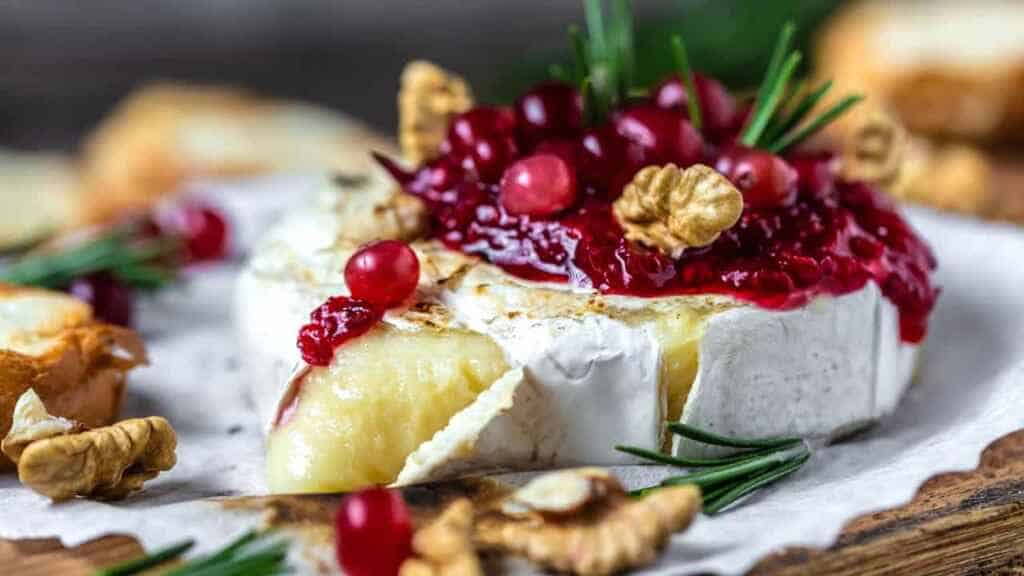
Cranberry Crowdie is a dessert made with crowdie cheese, a traditional Scottish soft cheese, fresh cranberries, honey, and oatmeal. The result is a rich, creamy dessert with a perfect balance of sweetness and tartness.
Crowdie cheese has been made in Scotland for centuries, and it’s still produced using traditional methods.


