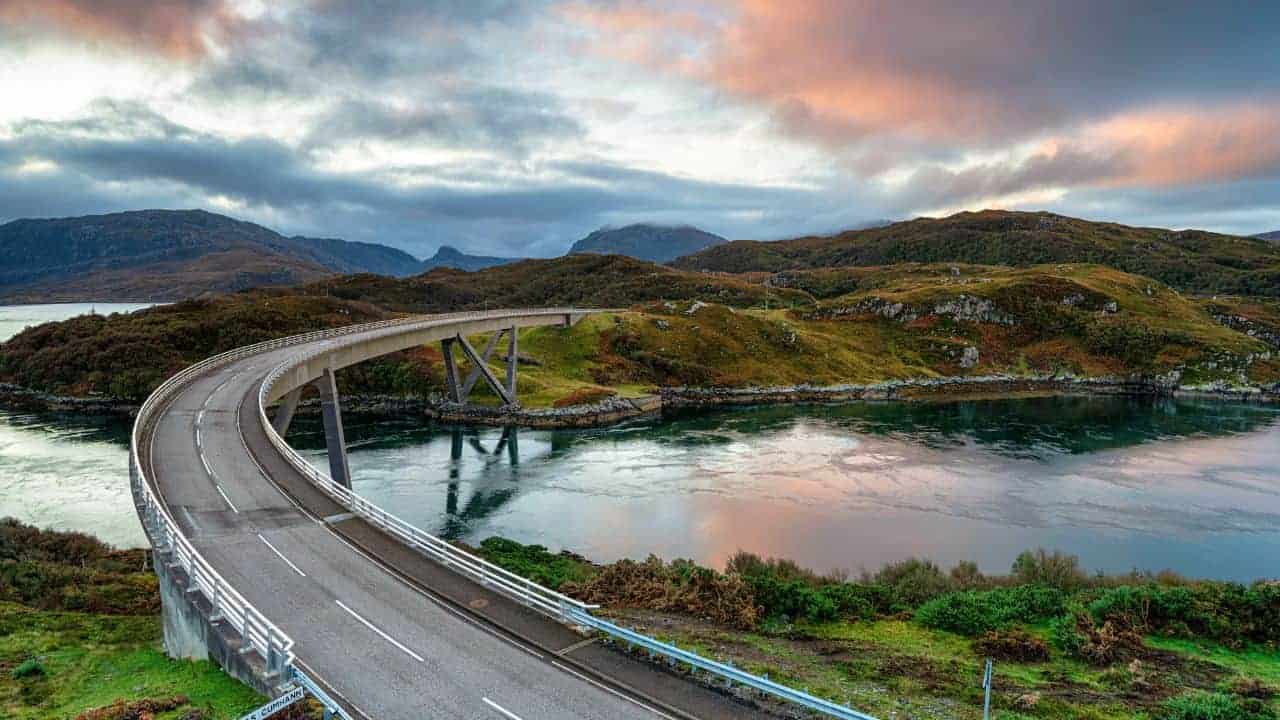
Did you know that Scotland’s North Coast 500 route sees over 29,000 vehicles during peak summer months? Yet, less than 10% of visitors ever experience the tranquility of traveling the same stunning landscapes by train. I’ve spent countless hours gazing out of train windows across Scotland, and I’ve learned exactly when each option shines.
Whether you’re planning your first Scottish adventure or you’re a regular visitor looking to mix things up, choosing between driving and training isn’t always straightforward. Let me share what I’ve discovered about navigating both urban centers and those magical hidden corners of rural Scotland that have stolen my heart.
This article may contain affiliate links. If you purchase through these links, I may earn a small commission at no cost to you. Thank you for your support!
Urban vs Rural Scotland: When to Drive and When to Train
City Adventures: Getting Behind the Wheel
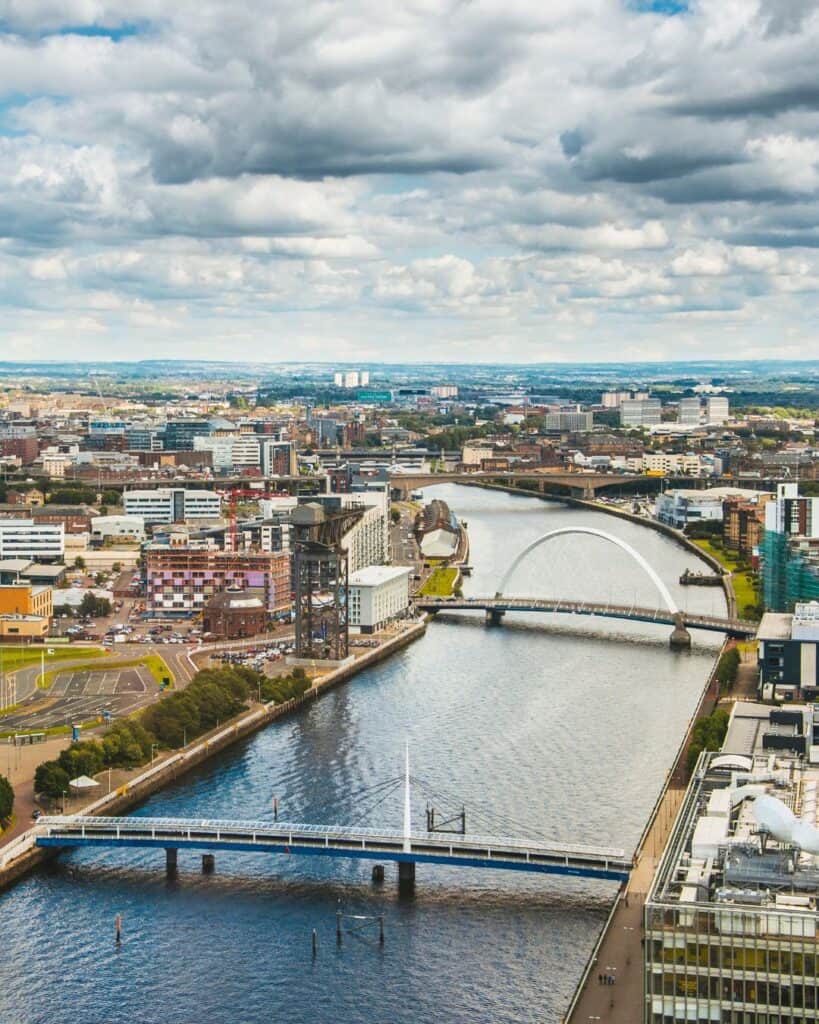
Have you ever dreamed of the freedom to explore Edinburgh or Glasgow on your own schedule? Driving in Scottish cities gives you that flexibility and your own personal space, perfect if you’re traveling with companions who need frequent breaks or if you’ve packed more than a carry-on.
But let’s be honest, city driving in Scotland comes with challenges. Parking can be both scarce and expensive, especially in historic city centers. And those rush hour traffic jams in Edinburgh and Glasgow? They can turn a quick 15-minute trip into an hour-long ordeal.
“I spent more time looking for parking in Edinburgh than I did seeing the castle,” a friend told me last week. And she’s right…navigating one-way streets in cities built centuries before cars can be tricky. Plus, some Scottish cities now have low-emission zones, so you’ll need to check if your rental car can enter without penalties.
Urban Train Travel: Sitting Back and Relaxing
Taking the train between Scottish cities is where Scotland’s transport really shines. The Edinburgh to Glasgow route runs about every 15 minutes during the day, and most stations are right in the heart of town. No circling for parking or paying £20 for a few hours in a garage!
“I just sat back with my coffee, watched the scenery, and arrived ready to explore,” is what most train travelers will tell you. You can read, work, or chat with fellow travelers instead of gripping the steering wheel.
The cost comparison is interesting too. A peak-hour train ticket between Edinburgh and Glasgow runs about £29 return, while off-peak is around £15. Driving the same route in a petrol car costs roughly £17…cheaper than peak train travel but more expensive than off-peak. And if you’re in an electric car with home charging? That might be your most budget-friendly option.
Countryside Journeys: The Case for Cars
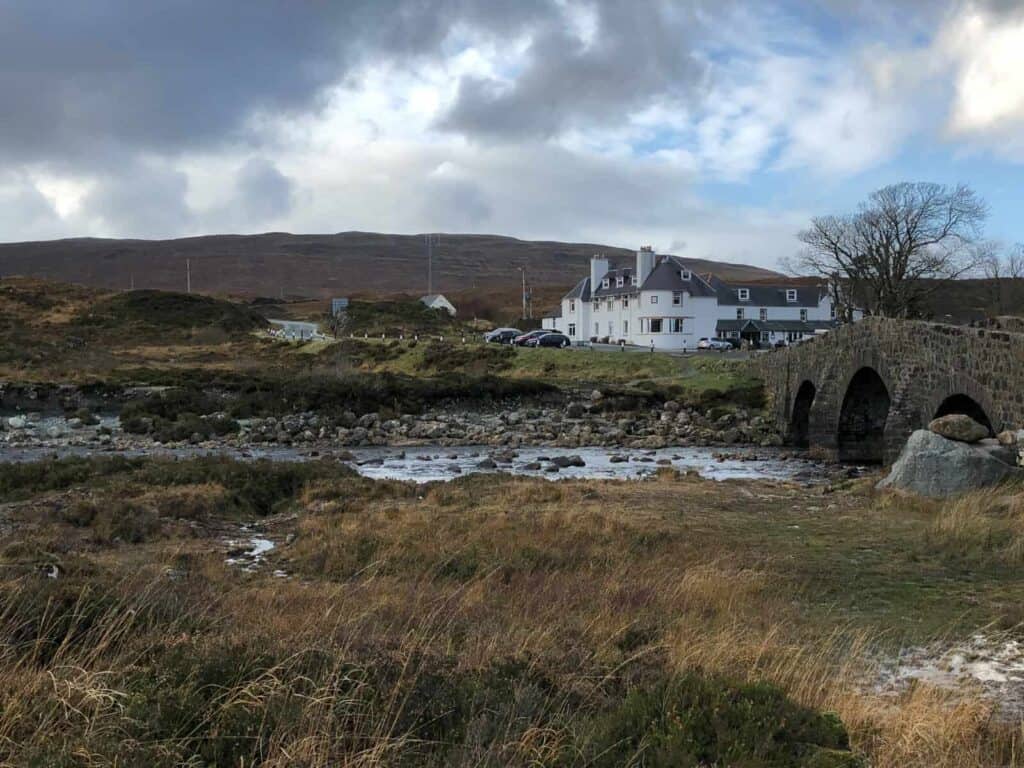
When it comes to rural Scotland, having your own wheels changes everything. Want to pull over to photograph that perfect Highland view? Or visit three distilleries in one afternoon? A car gives you that freedom.
The Scottish Highlands, the North Coast 500, and those tiny villages with names you can barely pronounce – many are accessible only by car. You can stop for impromptu hikes or linger in a village that caught your eye.
Just know what you’re getting into. Many rural roads in Scotland are narrow, winding, and sometimes single-track with passing places. You might share the road with sheep, and your GPS might lose signal in remote glens. And for Americans, there’s that whole driving-on-the-left thing that takes some getting used to.
Rural Train Travel: The Scenic Route
There’s something magical about taking a train through Scotland. The West Highland Line is frequently voted one of the world’s most beautiful rail journeys, and you can enjoy every minute without worrying about keeping your eyes on the road.
But here’s the reality check: train services to rural areas are less frequent, sometimes just a few per day. Many attractions are miles from the nearest station, and you might need to arrange additional transport once you arrive.
“I loved the train journey to Mallaig, but then had to wait two hours for the only bus to my B&B,” a solo traveler shared with me recently. It’s a common experience in rural Scotland.
Mixing and Matching for the Perfect Trip
For most visitors, the sweet spot is combining both options. Consider this approach:
- Use trains for city-to-city travel (Edinburgh to Inverness, for example)
- Rent a car at your rural destination for exploring the countryside
- Return the car before heading back to the city
This strategy lets you avoid city parking headaches while still giving you freedom in rural areas. It’s especially good if you’re traveling solo or feeling nervous about driving on the left.
A practical example? Take the train from Edinburgh to Pitlochry, spend a couple of days exploring by foot, then pick up a rental car to tour the Cairngorms National Park. When you’re ready to head back to the city, drop off the car and hop back on the train.
Remember to book car rentals well in advance, especially during summer months when availability can be limited in smaller towns. And pack light if possible, Scottish trains don’t always have abundant luggage space!
The Final Destination: Making Your Choice
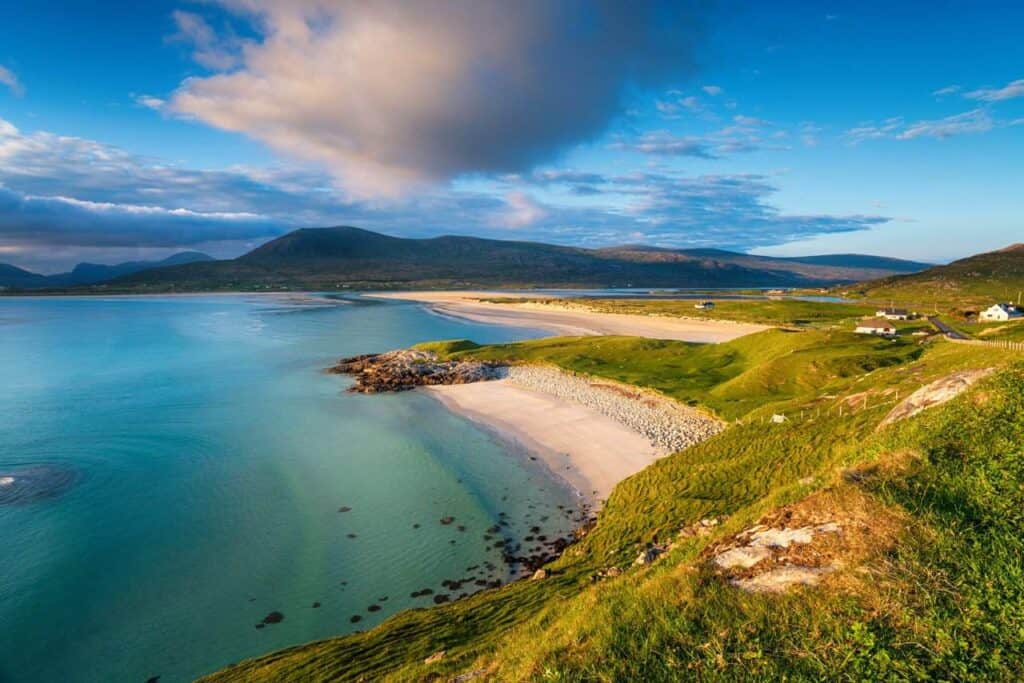
So what’s the verdict? There’s no one-size-fits-all answer. Cities like Edinburgh and Glasgow are often best explored using trains, saving you from parking nightmares and congestion charges. But those winding Highland roads and secret beaches? You’ll need your own wheels to truly discover them.
Remember, this isn’t an either-or decision. Some of my most memorable Scottish adventures combined both, starting with a relaxing train journey before picking up a car exactly when and where I needed that extra freedom. Just like Scotland itself, the perfect travel plan embraces contrast rather than choosing between two wonderful options.


