What makes a town that does not exist feel like somewhere you could visit next summer? Fictional Irish towns do this all the time. They feel lived in, even if you could search every road sign in Ireland and never find them.
This tour of fictional Irish towns, from Blackshore to mythic islands, stays spoiler-light. The focus is on mood, themes, and how each place borrows from real Irish geography, history, and culture.
Some of these towns come from famous books, TV shows, and films. Others are fresh examples you can use as inspiration. Together, they show how place shapes story, and how Irish settings keep slipping between the real and the imagined.
This article may contain affiliate links. If you purchase through these links, I may earn a small commission at no cost to you. Thank you for your support!
How Writers Build Fictional Irish Towns That Feel Real
Irish settings feel strong because writers start with what people already know. They pull in real coastlines, city streets, and village gossip, then shift the names and details. The town becomes new, but still feels true.
Creators mix ordinary details, like bus stops and chip shops, with deeper layers from history and folklore. A single pier might carry memories of emigration, a tragedy, or a local legend. That mix lets one small town hold big themes.
Two things usually drive that feeling of truth: the physical place and the past that clings to it.
Blending real Irish geography, weather, and small-town life
Most fictional towns share pieces of real Ireland. You feel the long Atlantic coast, Dublin suburbs, soft midlands fields, or rocky western headlands.
Writers use:
- constant rain and sudden sun
- crowded pubs, parish halls, and GAA pitches
- ferries, cliff roads, and slow tractors
- narrow streets where everyone knows your family
These details are simple, but they anchor the reader. Even if the town name is new, the place feels like it could sit between two real dots on the map.
Using folklore, history, and language to add depth
Names and stories do the rest. Irish place-name patterns, like “Bally” (town), “Kil” (church), or “Dun” (fort), help invented towns sound right. A name like Carrig Rua or Kilronan Cove hints at rock, churches, or old clans before a word of story appears.
Writers add traces of mythology, religious history, old conflicts, or family legends. Some towns feel cozy and safe, others feel haunted or tense. That mood sticks with readers and players long after they forget exact plot points.
Blackshore and 14 More Fictional Irish Towns You Can Visit On The Page
Blackshore: A stormy coastal town on the edge of the map
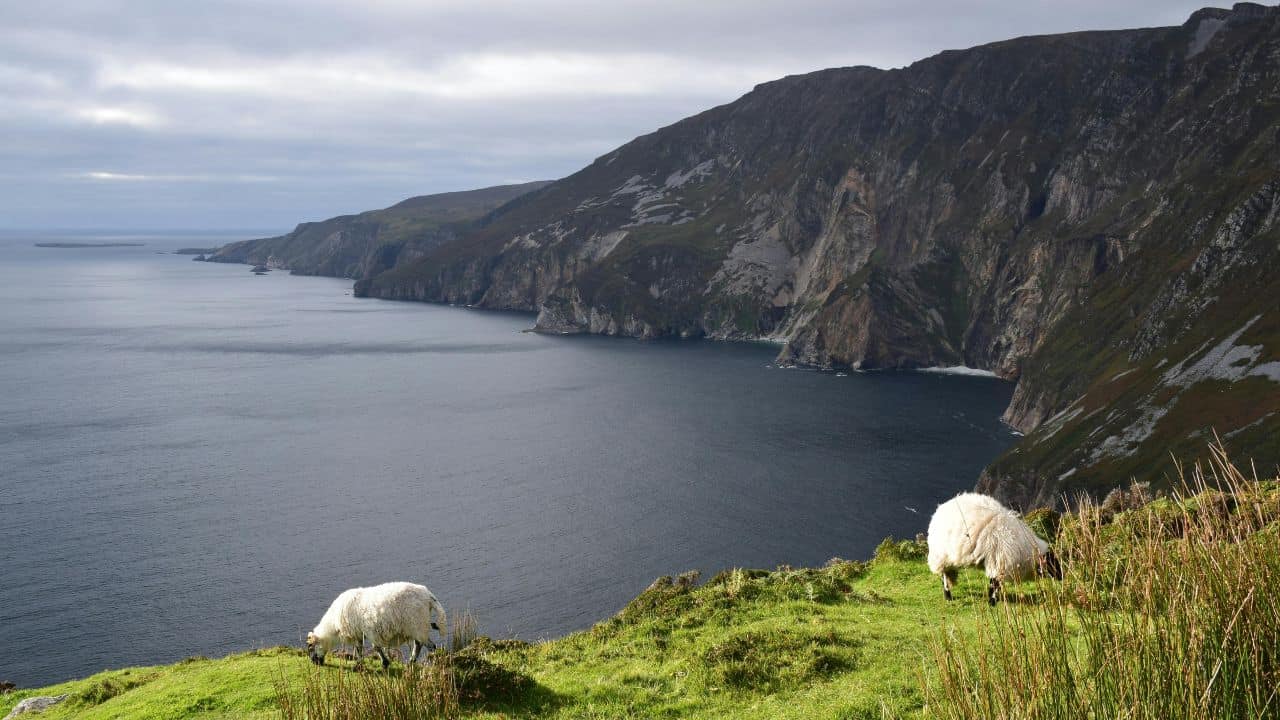
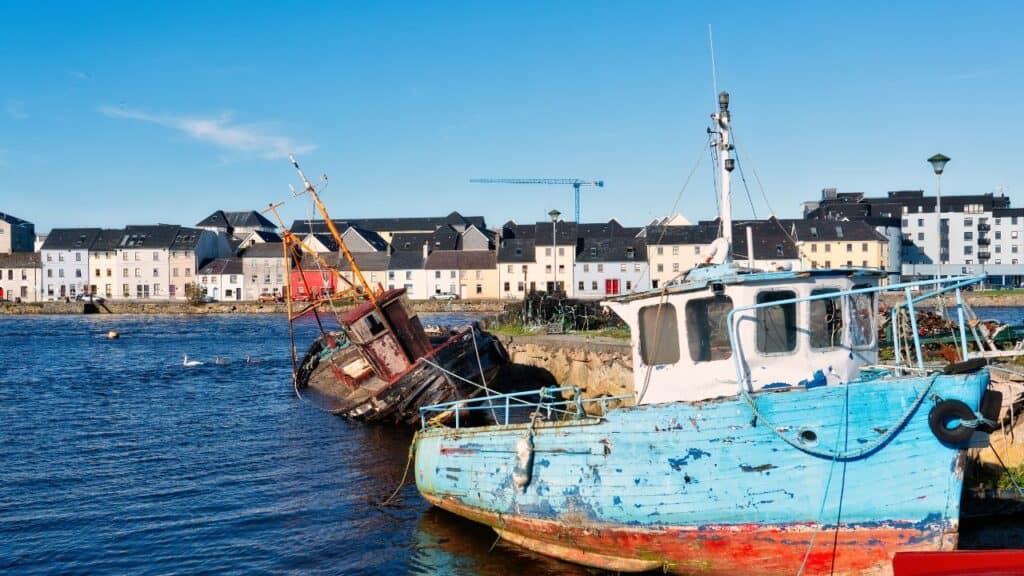
Blackshore is a windswept harbor town facing the Atlantic. Its crumbling sea walls, rusted boats, and solid old houses hold fishing families and curious visitors. Stories set here often mix mystery with coming-of-age change.
You can hear echoes of Dingle, Westport, or Wild Atlantic Way towns, where tourism, tradition, and rough weather keep colliding.
Ballybeg (Brian Friel’s plays): A stage for changing rural Ireland
Ballybeg sits in Brian Friel’s work as a small Donegal-style town. In plays like “Dancing at Lughnasa,” it holds tight families, shaky jobs, and the ache of emigration.
The farms, hills, and quiet lanes feel like many Ulster towns shaped by poverty, prayer, and the pull of England or America.
Barrytown (Roddy Doyle’s novels): A loud, funny Dublin suburb
Barrytown is Roddy Doyle’s fictional Northside suburb in “The Commitments,” “The Snapper,” and “The Van.” It feels full of terrace houses, buses, corner shops, and GAA fields.
The quick jokes and local slang echo real working-class suburbs like Kilbarrack or Raheny, where music, soccer, and family rows fill small rooms.
Rossmore (Colm Tóibín’s “The Heather Blazing”): Quiet coastal politics
Rossmore is a soft coastal town shaped by tides, courts, and party politics. In “The Heather Blazing,” beaches, courtrooms, and family homes carry questions about power and memory.
It draws on Wexford’s southeast coast, from Enniscorthy to smaller seaside towns, where farming and fishing sit beside long political histories.
Ballykissangel (TV series “Ballykissangel”): A postcard village with hidden drama
Ballykissangel, from the 1990s TV series, looks like a picture on a fridge magnet. There is a steep main street, a pub at the center, a priest, and nonstop gossip.
Filmed in Avoca, County Wicklow, it shares the wooded valleys, rivers, and stone bridges that draw day-trippers, while still holding serious personal drama.
Craggy Island (“Father Ted”): Isolated and absurd, but oddly familiar
Craggy Island in “Father Ted” is a remote Atlantic speck where nothing works quite right. The weather is bad, the sheep are stubborn, and the locals are unforgettable.
It borrows from real islands like Inis Mór or Tory Island, with ferries, storms, and small parishes, then pushes every odd trait for comedy.
Dunbawn (“Normal People” TV town): A Sligo-style hometown you might know
In the “Normal People” TV series, Marianne and Connell come from the fictional town of Dunbawn in County Sligo. It has a secondary school, housing estates, and views that shift from gray to glowing.
Dunbawn mirrors Sligo town and other northwest places, so the story feels both sharply local and strangely familiar to many viewers.
Kilcoulins Leap (“The Matchmaker” film): Romance in the rainy west
Kilcoulins Leap, from the romantic comedy “The Matchmaker,” is a western village soaked in rain and charm. Matchmakers, old grudges, and packed pubs drive most scenes.
The town blends pieces of Mayo, Clare, and Galway communities that host matchmaking festivals, set against the green, wet fields that shape every love story.
Glenroe (TV soap “Glenroe”): Farm life in a changing countryside
Glenroe, from the long-running Irish soap, shows a Wicklow-based farming community over several decades. Viewers saw milking sheds, kitchen tables, church pews, and local shops slowly change.
It reflects rural Wicklow and Leinster villages where dairy farms, parish events, and small businesses had to adjust to new roads and new values.
Castle Rock (a “Derry Girls” style stand-in): Humor under pressure
Castle Rock is a useful name for a fictionalized Northern city that feels like Derry. Writers set school corridors, chip shops, and tense street corners here during the Troubles.
Murals, riverfront walks, and city walls look familiar, yet the made-up name gives space for sharp humor and friendship alongside heavy history.
Kilronan Cove (YA fantasy example): Magic rooted in real cliffs and coves
Kilronan Cove is a cliff-top town in a young-adult fantasy series. Sea caves, fairy stories, and standing stones sit right beside chip vans and school lockers.
It borrows from the Cliffs of Moher, the Aran Islands, and Donegal headlands, so its magic feels anchored in rough rock and icy spray.
Ard Macha Bay (historical mystery example): Port of spies and traders
Ard Macha Bay is a fictional east-coast harbor, somewhere between Dublin and Belfast. Its docks, warehouses, and narrow lanes suit smugglers, spies, and customs officers in a crime novel.
Drawing on Drogheda, Dundalk, and Newry, it lets a writer play with trade, border tension, and shifting loyalties without tying events to one real quay.
Loughbriar (“Blackshore” universe inland town): Lakeside secrets and quiet streets
Loughbriar sits inland from Blackshore on the shore of a deep, still lake. The town has a marina, old churches, and quiet housing estates that hide family secrets.
It recalls midlands towns near Lough Derg or the Shannon lakes, where still water, fog, and holiday boats replace wild surf and cliffs.
Tír Callan (open-world game hub): An Irish city built for quests
Tír Callan is a main city in an Ireland-inspired open-world game. Players cross old walls, a busy market square, a university quarter, and crowded docks.
Designers borrow from Galway, Limerick, and Cork, then compress rivers, lanes, and ruined forts into a walkable map packed with odd jobs and side stories.
Carrig Rua (crime series town): Red rock, gray secrets
Carrig Rua, “red rock,” is a small coastal town in a crime series. It has a Garda station, caravan park, guesthouses, and a tourist beach at the foot of sharp cliffs.
Loosely tied to Cork or Waterford coasts, it gives space for missing tourists, buried scandals, and long grudges tied to one fatal bend in the road.
Inis Draiochta (mythic island of the sídhe): Folklore in game and fiction
Inis Draiochta is a glowing, half-hidden island that appears in novels and role-playing games. Fairy mounds, ancient oaks, and limestone pavements lie under a sky that never feels normal.
It pulls from Newgrange, the Hill of Tara, and the Burren, stretching real sacred ground into a place where the sídhe still bargain with humans.
Using Fictional Irish Towns To Inspire Your Own Stories
You can build a convincing Irish town of your own with a few clear choices. Start small, stay grounded, and let the setting do quiet work in the background.
Start with a real Irish place, then twist the map
Pick a county, coastline, or town you like. Make a quick list of key features, such as cliffs, a ring road, a ruined abbey, a pier, or a retail park.
Change the names, shift where roads meet, and add or remove buildings. The bones of the place come from reality, but the finished town belongs only to your story.
Let history, weather, and local jobs shape the story
Decide what most people do there; fishing, farming, tourism, tech, or factory work. Choose the usual weather, like endless drizzle, sharp Atlantic winds, or soft inland fog.
Give the town one or two old events that everyone remembers, such as a closure, a scandal, or a shipwreck. Plot ideas will grow from those choices almost by themselves.
Conclusion
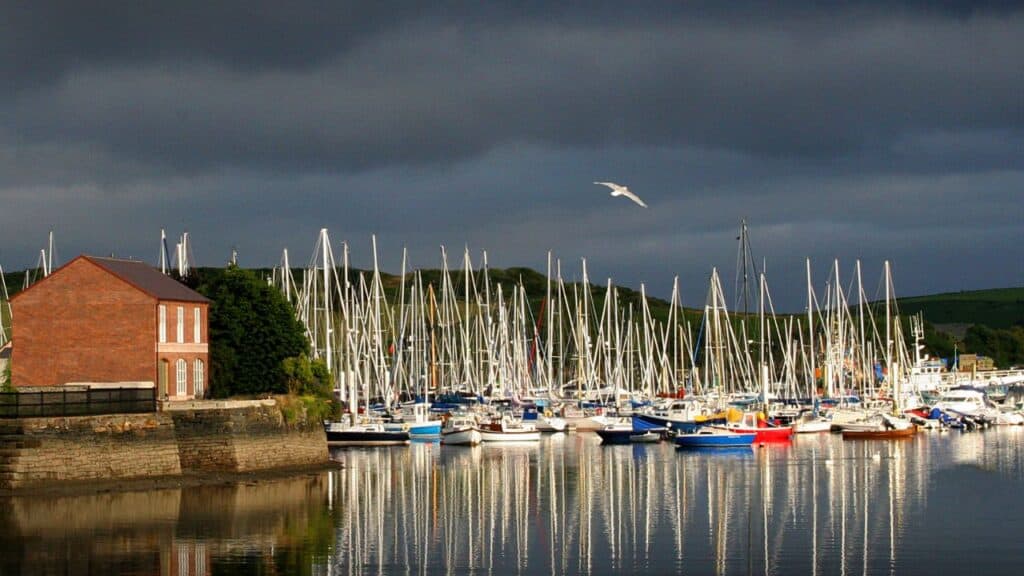
From stormy Blackshore to glowing Inis Draiochta, each fictional Irish town borrows real pieces of Ireland, then bends them into new shapes. Coastlines, city streets, songs, and stories all feed into places that feel solid on the page or screen.
Next time you read, watch, or play something Irish, pay close attention to the setting and ask what it is echoing from real life. You might even sketch your own town map and see what stories drift in from the tide. Place and story grow together, and that is where the fun starts.