
Ever wondered why a 5th-century missionary became one of history’s most celebrated saints? While millions wear green and toast with Guinness every March 17th, the real story of St. Patrick is far more fascinating than the legends we’ve come to know.
Let me take you on a journey back to ancient Ireland, where a former slave named Maewyn Succat transformed himself into the legendary St. Patrick. His tale isn’t just about banishing snakes or using shamrocks – it’s a remarkable story of resilience, cultural adaptation, and how one person’s mission changed the course of a nation’s history.
This article may contain affiliate links. If you purchase through these links, I may earn a small commission at no cost to you. Thank you for your support!
St. Patrick’s Early Life and Origins
Let me tell you about the man behind the legends. Born around 385 CE, the real St. Patrick started life as Maewyn Succat in Britain – possibly in Scotland or Wales. He came from a religious family, with his father working as a deacon. Interestingly, some say his mother was related to St. Martin of Tours.
Capture and Enslavement in Ireland
Life changed dramatically for young Patrick at age 16. The real St. Patrick across the sea to Ireland. For six years, he worked as a shepherd in County Antrim, spending long, lonely days watching over his master’s sheep.
Religious Conversion and Escape from Slavery
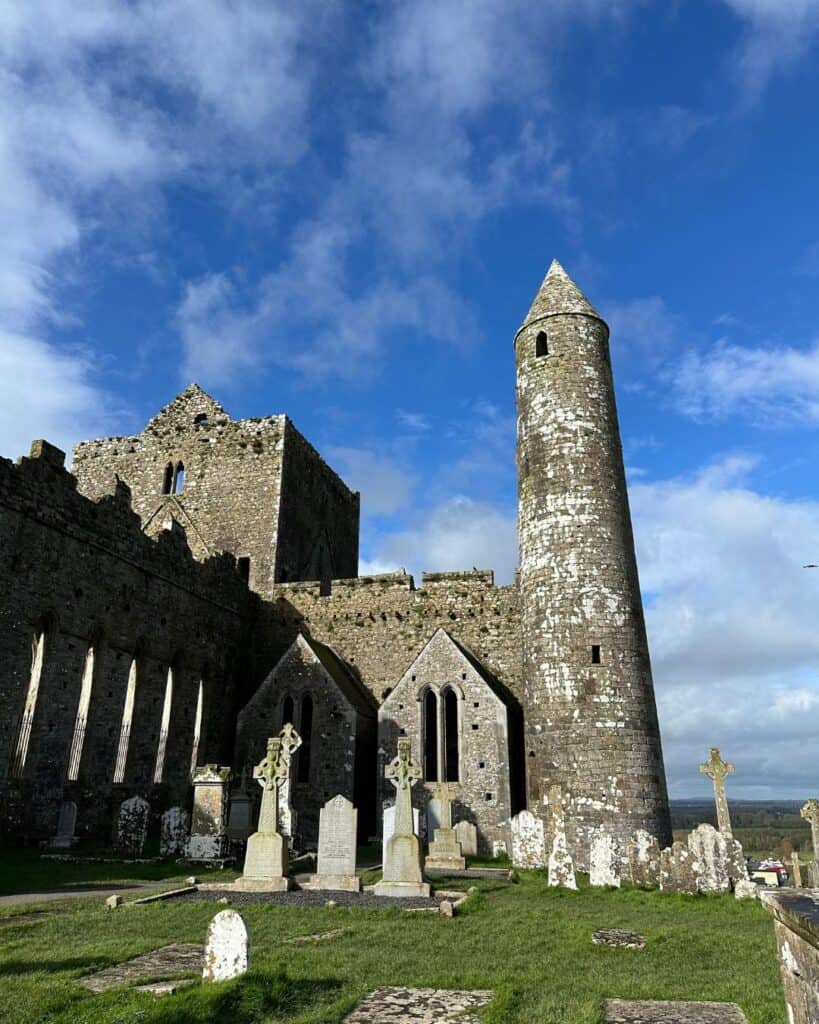
Those lonely days watching sheep turned out to be life-changing for Saint Patrick’s spiritual journey. After six years, he had a dream telling him it was time to leave. Taking this as a sign, Patrick walked 200 miles to the Irish coast. There, he found some sailors who agreed to take him back to Britain.
Return to Britain and Religious Education
After making it back to Britain, Patrick reunited with his family. But his time in Ireland had changed him. He headed to France, where he studied under St. Germanus to become a priest. During these years, Patrick learned the teachings he’d later bring back to Ireland.
Mission to Ireland as a Bishop
Around 431, Saint Patrick Facts sent Patrick back to Ireland, now as a bishop. His goal? To bring Christianity to the Irish people. It wasn’t easy at first – many locals didn’t welcome him. But Patrick was smart about it. He worked with local customs and used familiar Irish symbols to help people understand his message.
St. Patrick’s Writings: Confessio and Letter to Coroticus
Have you ever wondered what St. Patrick wrote in his own words? He left us two important documents. The first is his Confessio, a personal story about his life and beliefs. It’s like reading his diary, where he shares his struggles and hopes while working in Ireland.
The second is his passionate letter to a British ruler named Coroticus. In it, Saint Patrick stands up for Irish Christians who were being treated badly by British raiders. These writings give us a real peek into his life and show how much he cared about the Irish people.
Historical Context of 5th Century Ireland
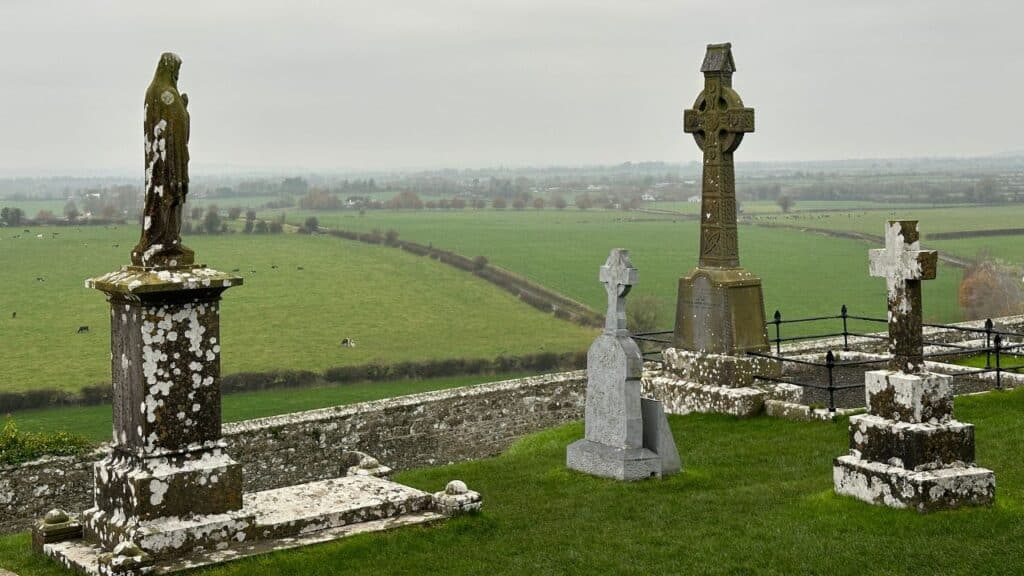
When St. Patrick arrived in Ireland, he stepped into a world of tribal chiefs and local kingdoms. The Irish lived in small communities, each led by their own ruler. At the heart of their beliefs were the Druids, who served as religious education leaders and advisors to these chiefs.
Unlike Britain next door, Ireland hadn’t been touched by Roman rule. This meant the Irish kept their Celtic traditions alive and strong. When Patrick started teaching about Christianity, he had to work within this unique social setup, talking to each tribal leader one by one.
St. Patrick’s Role in Spreading Christianity in Ireland
So, how did St. Patrick bring Christianity to Ireland? He went about it in a smart way – instead of trying to change everything at once, he worked with local customs. He’d start by talking to tribal chiefs and their families, knowing that if they accepted his message, others would follow.
Patrick built churches all across the country and trained local men as priests. This was key – he knew he couldn’t do it all alone. By teaching others to carry on his work, deep and meaningful understanding of Christianity took root and grew throughout Ireland.
You might wonder how he got through to people who had their own strong beliefs. Well, he used what they already knew. The shamrock is a perfect example. Patrick picked this simple three-leaved plant to help explain the idea of the Christian Trinity – three parts making up one whole.
Challenges Faced During His Mission
St. Patrick’s work wasn’t always smooth sailing. The local Druid priests saw him as a threat to their influence and fought back against his teachings. And it’s not hard to see why – he was changing the way people thought about their religious education.
Many tribal chiefs weren’t too happy about this newcomer either. They worried his message would weaken their power. Sometimes, they’d block him from entering their territories or try to stop their people from listening to him.
St. Patrick’s Death and Legacy
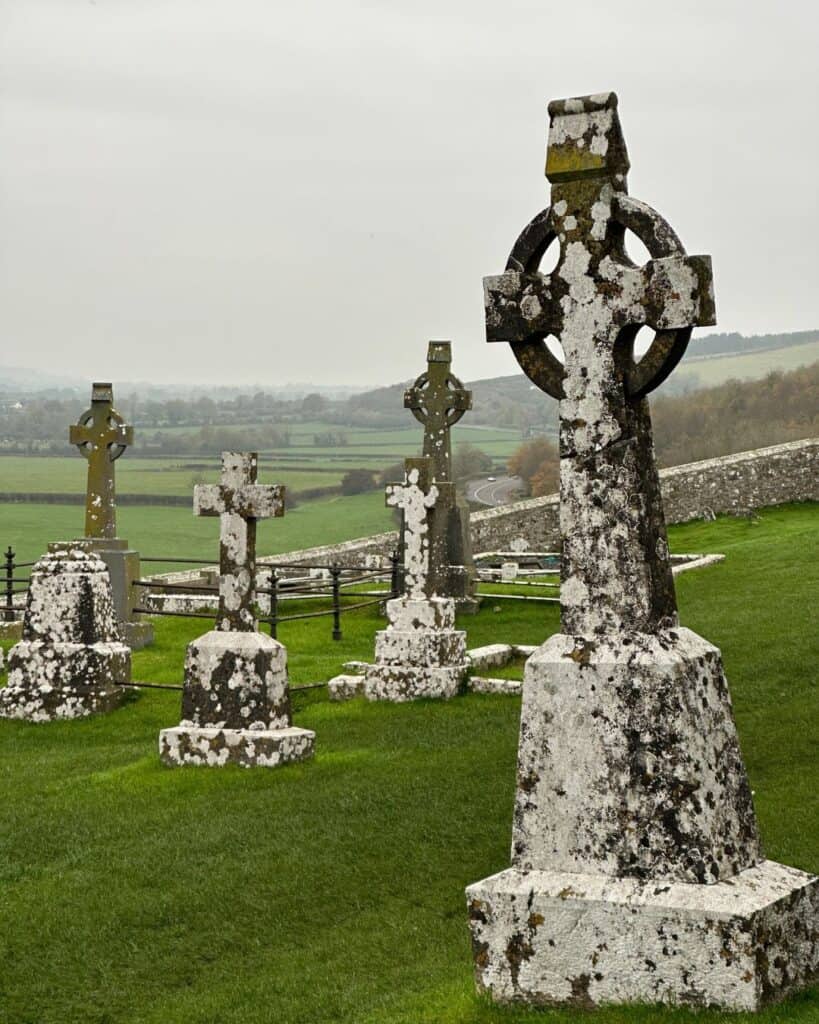
On March 17, 461, St. Patrick passed away in Saul, Downpatrick. They laid him to rest in County Down, where his burial site became a place of prayer. Today, millions worldwide remember him as Ireland’s patron saint, and his influence on Irish faith and culture lives on through the ages.
Archaeological Evidence Related to St. Patrick’s Life
When it comes to physical proof of St. Patrick’s time in Ireland, we’re working with limited materials. While Saint Patrick’s life tells us plenty about his life, actual objects and places from his time are harder to come by.
One spot that’s caught historians’ attention is Armagh. This ancient site has strong links to St. Patrick’s mission work. Archaeological digs have turned up items from the 5th century, right when Patrick would have been teaching there.
But let’s be honest – sorting fact from fiction isn’t always easy. A lot of what we know comes from stories passed down through generations, with actual artifacts being pretty scarce.
Scholarly Debates on the Historical Accuracy of St. Patrick’s Story
You might think we know everything about St. Patrick, but historians often disagree about many parts of his story. Some say his dates don’t quite match up – was he really in Ireland from 431 to 461? Others wonder if he worked alone or was part of a bigger group of missionaries.
The biggest questions come up when looking at old texts. While his own writings (the Confessio and Letter to Coroticus) seem genuine, many stories about him appeared hundreds of years after he lived. Just like playing a game of telephone, these tales changed as people passed them along.
Think of it this way: we’ve got two St. Patricks. One’s the real St Patrick who wrote letters and taught in Ireland. The other’s the figure who grew bigger than life in stories. Both matter to history, but telling them apart isn’t always easy.
Impact on Irish Culture and Religious Practices
St. Patrick’s work changed Ireland in ways that still matter today. He brought Christianity to Ireland without wiping out local traditions. Instead, he wove them together, creating a special mix of Celtic and Christian practices.
The Irish church grew its own style after St. Patrick’s time. Local communities built small churches and started teaching centers where deep and meaningful understanding of religion took root through monks who saved old writings and created beautiful art like the Book of Kells.
Development of St. Patrick’s Day Celebrations

St. Patrick’s Day became an official church feast day in the 1600s. Back then, it was mainly a religious day marked by prayer and church services in Ireland. Want to know how it changed? Well, Irish immigrants brought their traditions to America, where the celebration took on new life.
By the 1800s, St Patrick parades popped up in cities across the U.S.The celebrations grew bigger each year, with green becoming the must-wear color. These days, March 17th isn’t just for the Irish – people worldwide join in the fun with parades, music, and festivities.
Have you seen how different places celebrate? From Chicago’s green river to Tokyo’s Irish pubs, each city adds its own special touch to the holiday. What started as a quiet religious day has grown into a global party celebrating Irish culture and heritage.
St. Patrick’s Influence on Irish Monasticism
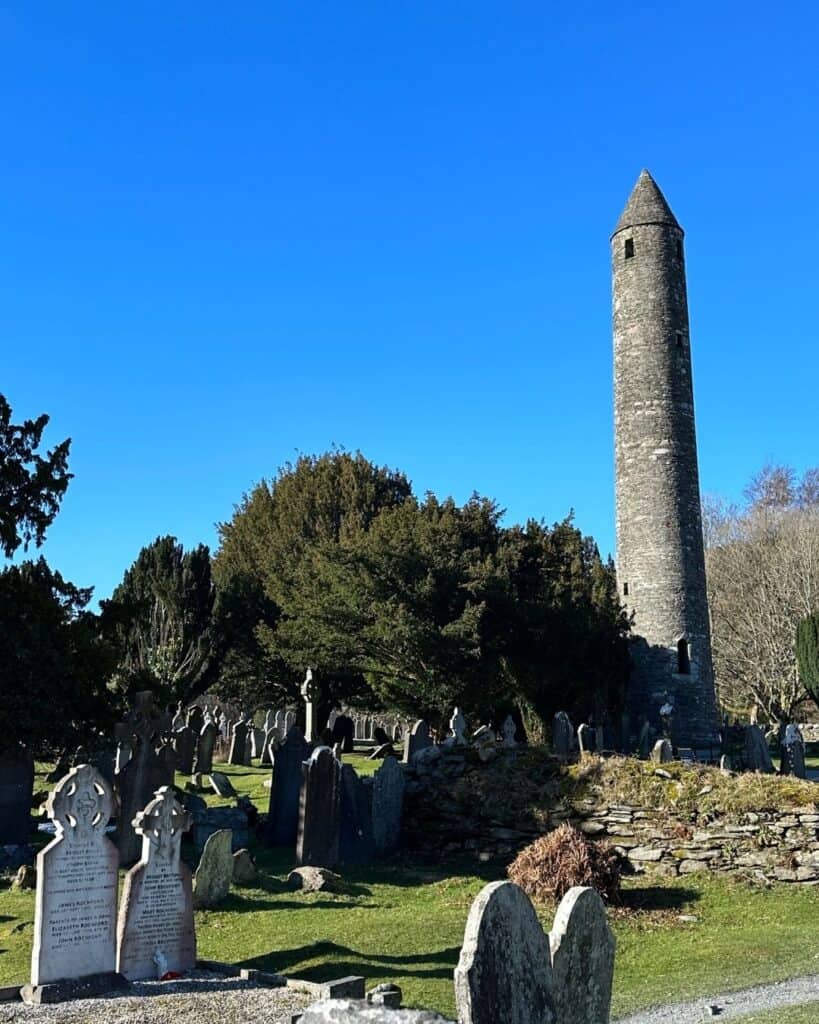
St. Patrick’s work laid the groundwork for Ireland’s deep and meaningful religious tradition. He started small church communities that grew into learning centers where monks studied, copied manuscripts, and taught others. These monasteries became the heart of Irish Christian life, keeping old knowledge safe while spreading new ideas through their teaching.
The Enduring Legacy of St. Patrick
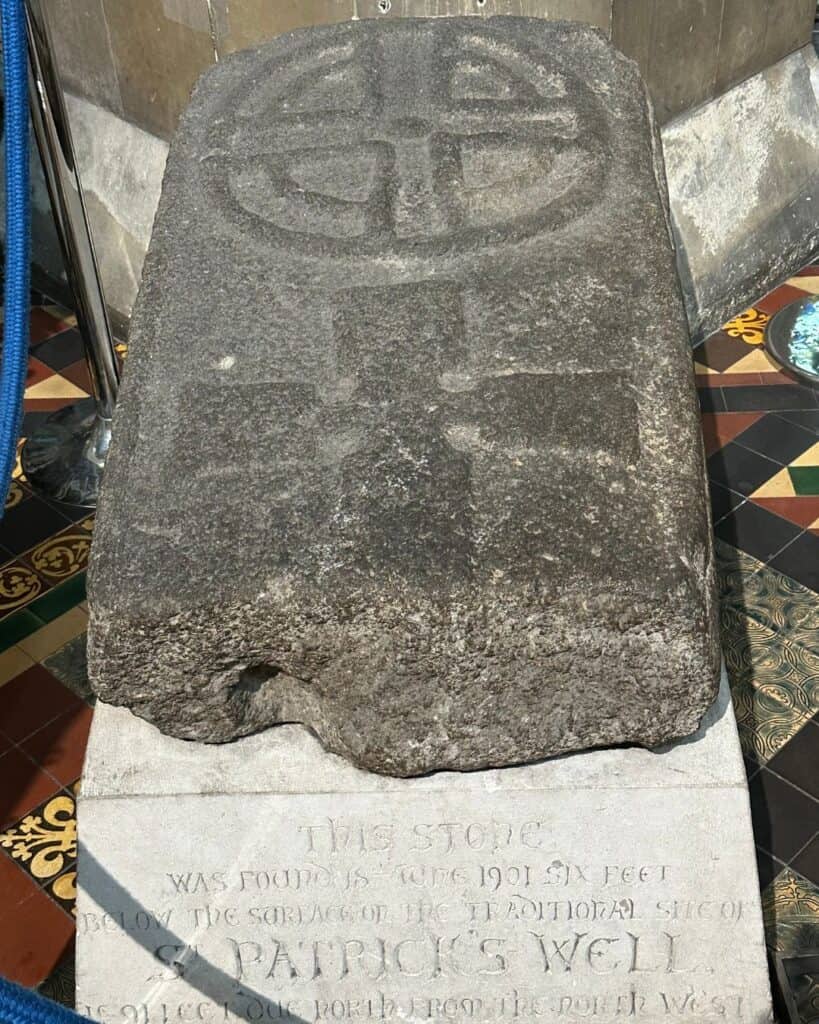
When we look past the green beer and leprechaun stories, we find a man whose impact on history runs deeper than most realize. St. Patrick wasn’t just a religious figure – he was a cultural bridge-builder who forever changed Ireland’s spiritual and social landscape.
His story reminds us that the most profound changes often come from unexpected places. From a slave to a saint, from an outsider to Ireland’s most beloved patron, St. Patrick’s journey continues to inspire and intrigue us over 1,500 years later. The next time you celebrate St. Patrick’s Day, you’ll know there’s much more to toast than just good luck and shamrocks.


