
Ever stood on a moor and felt the wind shove your thoughts around a bit? Yorkshire does that. It’s all big skies, dry-stone walls, and valleys that look soft from a distance, then turn rough the second you start walking.
This guide focuses on Wuthering Heights Yorkshire filming locations, but first, a quick clarity check. Some places shaped Emily Brontë’s world (Haworth and the ruin at Top Withens get most of that fame). Filming locations are different. They’re the real landscapes directors pick when they need the story to look and feel true on screen.
The newest 2026 movie (directed by Emerald Fennell) filmed most of its outdoor scenes in the Yorkshire Dales. So, this is a visitor-friendly plan you can actually use, with walks, roadside stops, and a few simple “don’t get soaked” tips.
The Yorkshire Dales spots used in the 2026 Wuthering Heights movie
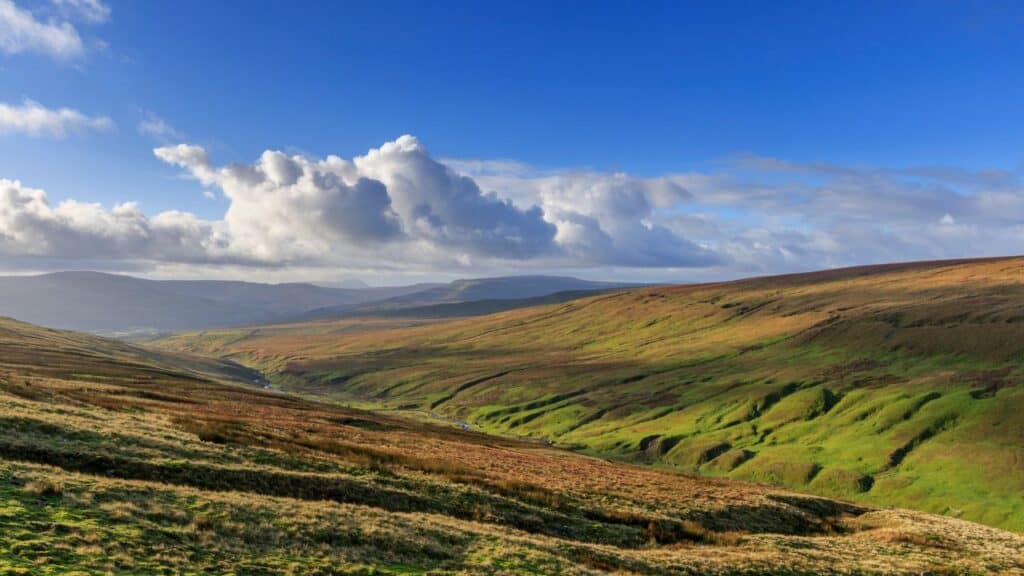
If you want the 2026 film’s mood in real life, head for the Dales. These aren’t manicured postcard views. They’re raw and a little stern, in the best way. Expect sudden sun, sudden rain, and wind that makes you laugh because what else can you do?
Bring boots, even if the day starts bright. Also, use a map app for driving, then switch to Ordnance Survey-style walking maps once you’re on foot. Footpaths zigzag through working land, and signs can be subtle.
The Dales don’t “do” predictable. Pack a windproof layer, and you’ll feel clever later.
Arkengarthdale and Swaledale, wide open valleys made for moody love scenes
Arkengarthdale and Swaledale feel like the camera was built for them. You get long, empty roads, draped hills, and stone walls that stitch everything together. On screen, these dales carry those early Catherine and Heathcliff scenes where emotion sits right out in the open, with nothing to hide behind but weather.
In plain terms, you’re in the northern Yorkshire Dales, not far from Reeth. The driving is scenic in a “slow down and stare” way. Pull into safe lay-bys, then take short walks along public footpaths for that wide-valley view. You don’t need a massive hike to get the feeling, just a bit of height and space.
One quick reminder, because it matters out here: respect gates and farmland. If you bring a dog, keep it under control. Sheep don’t care that you’re living your romantic movie moment.
Low Row and nearby hamlets, the stone village look of old Yorkshire
Low Row is tiny, quiet, and ridiculously photogenic. Think stone cottages, narrow lanes, and that river sound you notice only once you stop talking. The 2026 film uses places like this for those everyday rural beats, where the story breathes between the bigger storms.
You can visit without making it an expedition. Arrive, stretch your legs, and wander gently. The best plan is simple: park considerately (seriously, the lanes are tight), then walk a short stretch by the river for photos and fresh air. The light changes fast here, which makes even a five-minute stroll feel like a new scene.
And yes, people live here. So keep voices down, don’t block driveways, and treat it like you’ve been invited, not like you own the place.
Bridestones Moor, Reeth Moor, and Booze Moor for the rugged rock and heather views
If the Dales are a mood, the moors are the exclamation point. Bridestones Moor hits you first with its strange rock shapes, smoothed and stacked like nature got bored and started sculpting. Two of the best-known formations are nicknamed the Bride and Groom stones. The 2026 movie uses this kind of terrain for wild, exposed moments that need drama without dialogue.
Bridestones Moor also appears in the 2011 Andrea Arnold version, which tells you everything. Directors go back because it already looks haunted, even on a normal Tuesday.
Reeth Moor and Booze Moor add that higher, emptier feeling, with heather and long views. In the 2026 film, Booze Moor plays into later, fast-moving scenes, the kind that feel like the land itself is pushing the story forward.
Plan this like a real moor day: paths get muddy, and fog can roll in fast. Go early for quieter views, and don’t count on phone signal the whole time.
Healaugh Crag and Old Gang Smelting Mill, cinematic ruins and lonely viewpoints
Healaugh Crag is the sort of place that makes you stop mid-sentence. It’s rocky and exposed, with a strong viewpoint feel. In the 2026 film, it works perfectly for a waiting scene, because the land around it feels watchful. You can stand there and understand why a director wouldn’t need much else.
Then there’s Old Gang Smelting Mill near Langthwaite, an atmospheric industrial ruin tied to longer exterior shots that echo the Earnshaw home vibe. It’s not a roadside hop-out, you’ll need to walk in. That’s part of the magic, honestly. The approach builds the mood step by step, with stone, water, and open space doing the storytelling.
Keep it safe and respectful: stick to paths and don’t climb unstable stonework. Ruins look tough until they suddenly aren’t.
Other Yorkshire filming locations from earlier Wuthering Heights versions
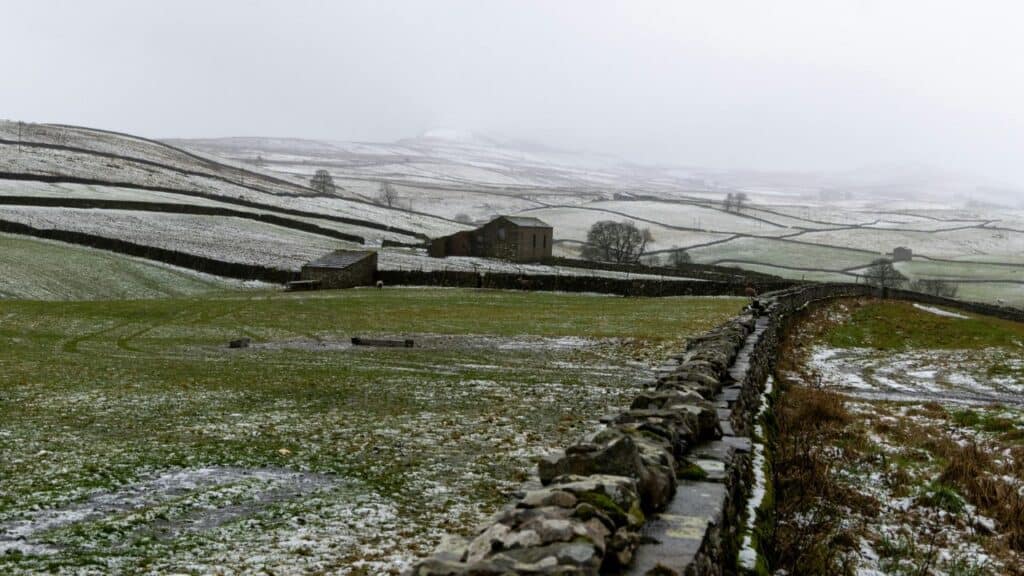
The 2026 film leans hard into the Dales, but Yorkshire has popped up in other Wuthering Heights adaptations too. A couple of locations are especially easy to visit, even if you don’t fancy a long moor walk in sideways rain.
Think of these as add-ons. They work well if you’re traveling with mixed energy levels (or someone who likes a warm indoor option after an hour outside).
East Riddlesden Hall, a filmed exterior, you can visit with a ticket
East Riddlesden Hall, near Keighley, has served as a Wuthering Heights filming spot for exterior shots in an earlier TV adaptation. The front entrance appears on screen, with set dressing added during filming to push the period feel.
For visitors, it’s a straightforward win. You get a proper historic house setting, and it’s far easier to access than remote moorland locations. On a wet day, this is your “still feels like the story, but I’m not freezing” choice.
Check opening times before you go, and look out for any booking needs, especially in busier seasons.
Bridestones Moor again, a rare location shared across versions
Bridestones Moor is one of those rare Yorkshire filming locations that shows up across Wuthering Heights versions, including the 2011 film, and it still fits the story like a glove. Those wind-worn stones and open ground just read as Brontë, even before anyone says a word.
To make the visit smoother, pick a dry day if you can. Also, bring a windproof layer even in summer. The moor has a habit of making weather forecasts look silly.
Yorkshire Filming Locations
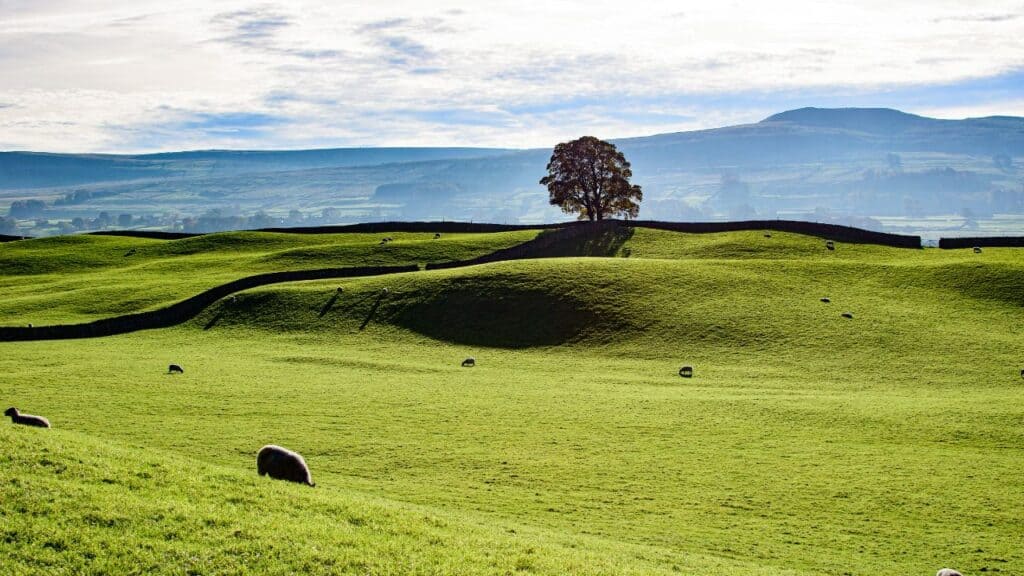
If you want a simple plan, base yourself in Swaledale or Arkengarthdale, then add a village stop like Low Row for that lived-in Yorkshire feel. After that, choose one big landscape walk, either Bridestones Moor for the rock formations or a Reeth-area moor for wide, high views. Finish with a cozy stay around Hawes, and if you like a film connection, Simonstone Hall is a known cast base.
Above all, respect the land. Weather flips fast, take your litter home, and stick to public paths. Ready to see if the moors feel the same off screen?


