Did you know that while millions of Irish people were starving to death, their country was still exporting food? It’s one of the most shocking aspects of the Great Famine that often gets overlooked.
When I first learned about this dark chapter in history, I couldn’t wrap my mind around the magnitude of suffering. Imagine watching your children go hungry while cartloads of grain passed by, headed for ships bound for England. This paradox of starvation amid food production is just one of the complex realities we need to understand about this pivotal event.
This article may contain affiliate links. If you purchase through these links, I may earn a small commission at no cost to you. Thank you for your support!
Understanding the Great Famine
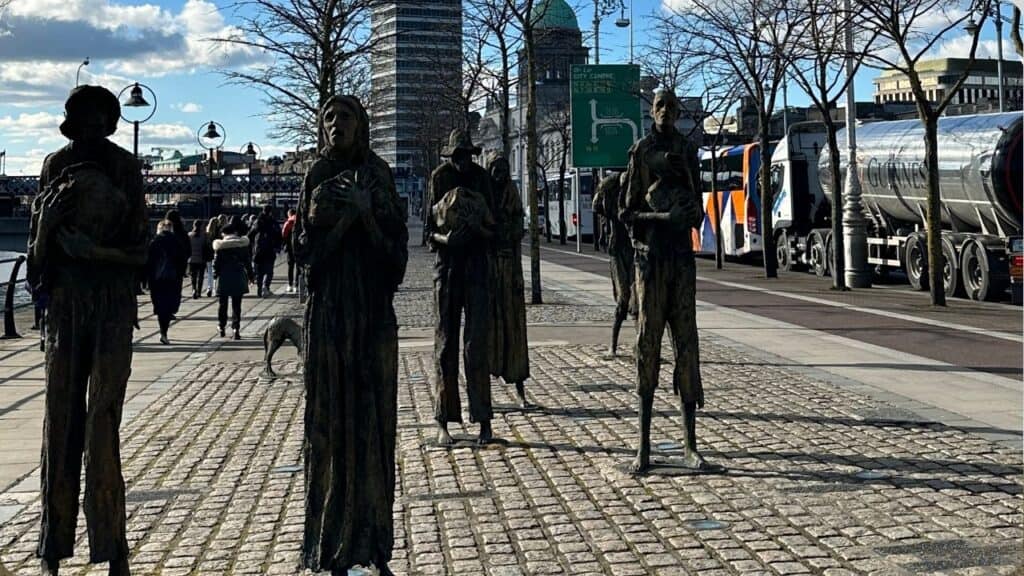
The Great Famine, also called the Irish Potato Famine or an Gorta Mór, was a period of mass starvation and disease that swept through Ireland from 1845 to 1852. Around 1 million people died from starvation and disease, while another million fled Ireland, mostly to North America.
This catastrophe wiped out 20-25% of Ireland’s population between 1841 and 1871. Before the famine, Ireland had about 8.5 million people, but by 1901, that number had dropped to just 4.4 million.
The impact wasn’t just limited to Ireland. The waves of Irish refugees arriving in American cities changed the makeup of those communities forever. Many of our American customs and traditions have roots in this massive migration.
Spike Island’s Transformation
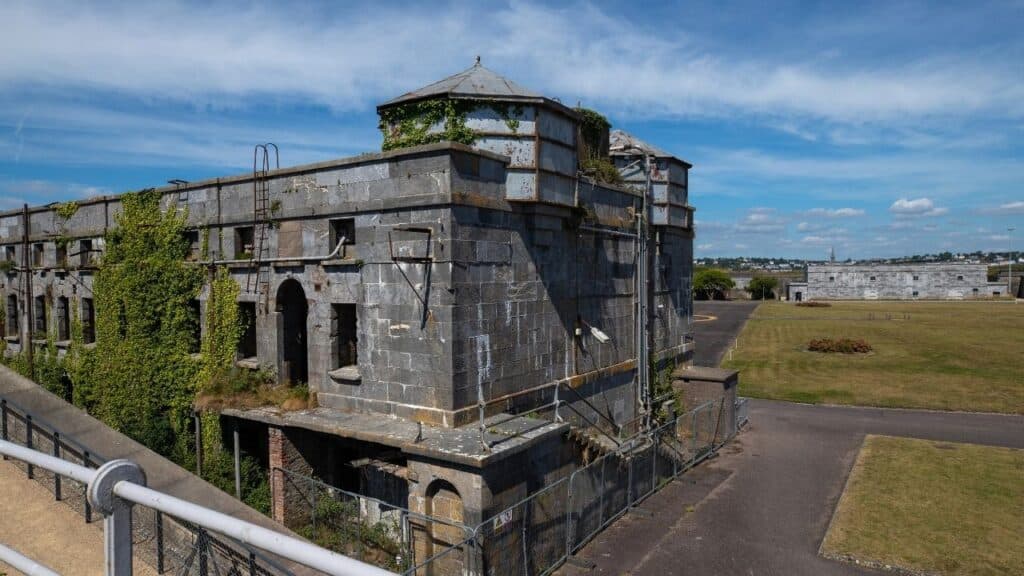
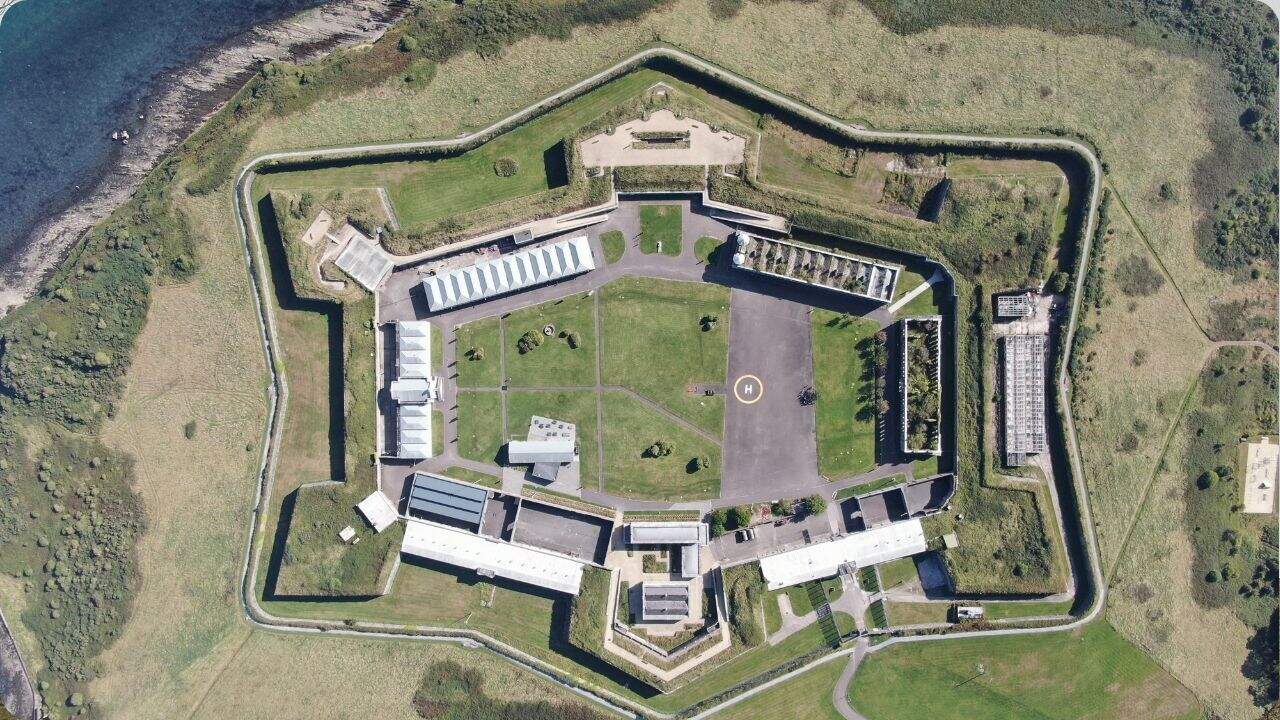
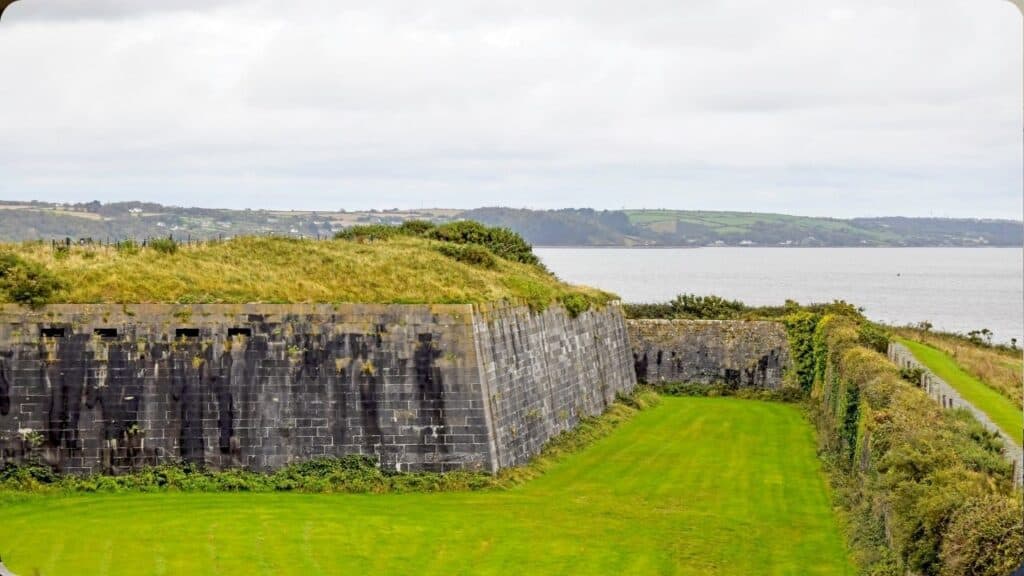
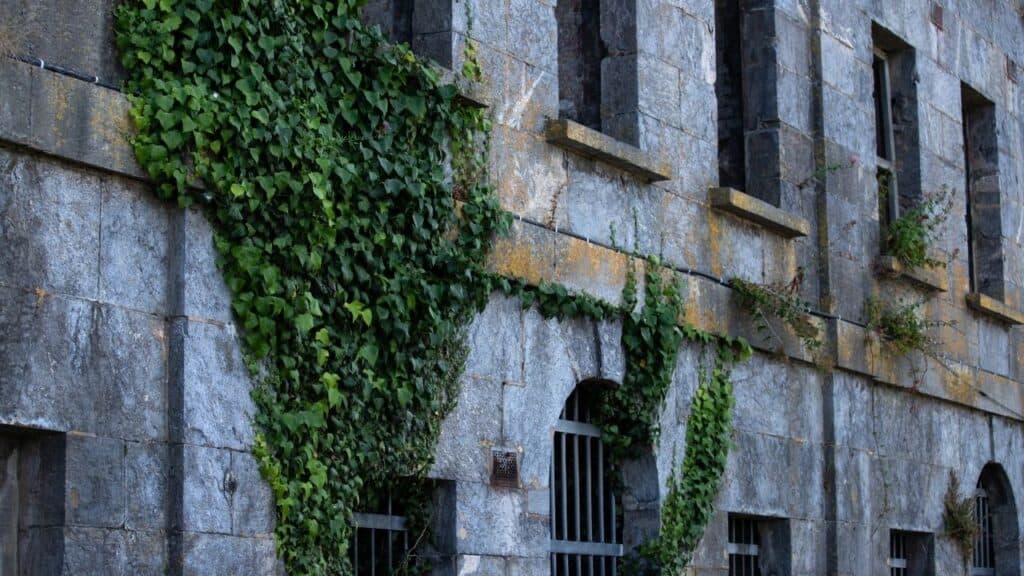
Speaking of the famine, there’s a lesser-known story I want to share with you. Have you ever heard of Spike Island? It sits in Cork Harbour and was originally built as a fortress during the Napoleonic era to protect this important shipping hub.
But in 1847, the worst year of the famine (they called it “Black ’47”), the British government converted Spike Island into a prison. Why? They needed somewhere to put all the people arrested for famine-related crimes.
Many Irish people were so desperate for food that they resorted to stealing just to survive. The existing jails couldn’t handle the surge in prisoners, so Spike Island became part of the solution to manage what the British saw as growing public disorder during this crisis.
The Largest Prison in the World
By 1847, Spike Island held around 2,300 prisoners, including boys as young as 12. That’s right…children were imprisoned alongside adults! This massive population made it the largest prison in the world at that time.
Most inmates were there for what we’d consider minor offenses today, stealing food or clothing just to survive. The justice system quickly expanded the prison facilities to hold this sudden influx of desperate people.
And here’s the thing, these prisoners weren’t just sitting around. They were put to work improving the fortress and supporting the British military presence on the island. It was basically forced labor during a time when these people were already weak from hunger.
Life Inside Spike Island Prison
What was daily life like for these prisoners? In a word: brutal. They faced severe overcrowding, harsh discipline, and were forced to work despite their weakened condition.
The food was barely enough to keep them alive, and remember, these were people who were likely already malnourished when they arrived. Medical care was woefully inadequate, especially considering how many were suffering from famine-related illnesses.
One notable prisoner was John Mitchel, a political figure who left behind accounts of his time there. Through stories like his and prison records, we get a glimpse of the suffering these people endured. Just think about those children and young men, locked away for stealing a loaf of bread or a piece of clothing.
Mortality and Burial Practices
Over 1,000 prisoners died during just the first seven years the prison was open. In total, more than 1,200 men and boys lost their lives there over its 35-year history.
The main killer was tuberculosis, made worse by malnutrition and vitamin deficiencies. More than 1,300 people ended up buried in mass graves on the island.
The Legacy That Lives On
The Great Famine forever changed Ireland and shaped the world we know today. When I travel through Irish-American neighborhoods in Boston or New York, I can’t help but think about how those communities began with desperate people fleeing unimaginable horror.
The stories of Spike Island and the countless other tragedies of the famine remind us of how quickly society can unravel when disaster strikes. But they also show us the resilience of the human spirit. The Irish diaspora rebuilt their lives across the ocean, carrying their culture with them and enriching their new homes in ways that continue to resonate more than 170 years later.


