Renting a car in Ireland sounds great until you’re tired, jet-lagged, and staring at a left-side roundabout. For a lot of visitors, public transport in Ireland is the easier and cheaper move, especially if Dublin is part of the plan.
You can cover a surprising amount of ground by train, bus, tram, and commuter rail. The trick is simple: pick the right travel card, learn where to tap, and choose day trips that don’t turn into timetable roulette.
This article may contain affiliate links. If you purchase through these links, I may earn a small commission at no cost to you. Thank you for your support!
Know which ticket or travel card fits your trip

Most tourists hear “Leap Card” and think it’s one thing. It isn’t. There are two versions people mix up all the time, plus the simple option of buying single tickets when that makes more sense.
This quick comparison makes the choice easier:
| Option | Best for | How it works | Watch out for |
|---|---|---|---|
| Leap Visitor Card | Short Dublin stays | Pay once for 1, 3, or 7 days of unlimited travel | It’s built for Dublin’s public network, not every bus in Ireland |
| Regular TFI Leap Card | Longer trips or repeat use | Load credit and pay as you go | More flexible, but still not valid on every operator |
| Single tickets or cash | Light use or one-off journeys | Pay per ride or buy a point-to-point ticket | Costs can add up fast |
Short Dublin break? The Visitor Card usually wins. A longer trip with mixed transport needs often works better with a regular TFI Leap Card and the odd separate ticket. If you’re taking one intercity train and little else, a single ticket may be the simplest choice.
Why the Leap Visitor Card is handy for Dublin stays
The Leap Visitor Card is the easy button. You buy a set period, usually 1, 3, or 7 days, and ride without topping up every few hours. That’s great if you’re staying in Dublin, taking the Luas across town, hopping on Dublin Bus, and using the DART for seaside stops like Howth or Bray.
It’s built for first-time visitors who don’t want to think about fares. Tap, travel, move on. If you’re using a standard Dublin Bus route to or from the airport, it can help there too, but it won’t cover private coach services.
Good to know: the Leap Visitor Card doesn’t cover Bus Eireann, private airport coaches like Aircoach or Dublin Express, or hop-on hop-off sightseeing buses.
When the regular Leap Card makes more sense
A regular TFI Leap Card is better when your trip is longer, looser, or spread across different parts of the country. You load credit onto the card, then pay per trip. That usually works out cheaper than buying lots of single fares.
It also makes more sense if you’ll use Dublin transport often but don’t need unlimited travel every day. Think of it as the flexible option. You pay for what you take, and you can top it up again if needed. Still, don’t assume it works everywhere. For some intercity trains, regional buses, and private coaches, you’ll need a separate ticket.
Using buses and trains in Ireland without stress
Ireland’s system looks more confusing online than it feels in person. Once you’ve done one or two journeys, the pattern is familiar: check the route, have your card ready, tap in the right place, and keep an eye on your stop.
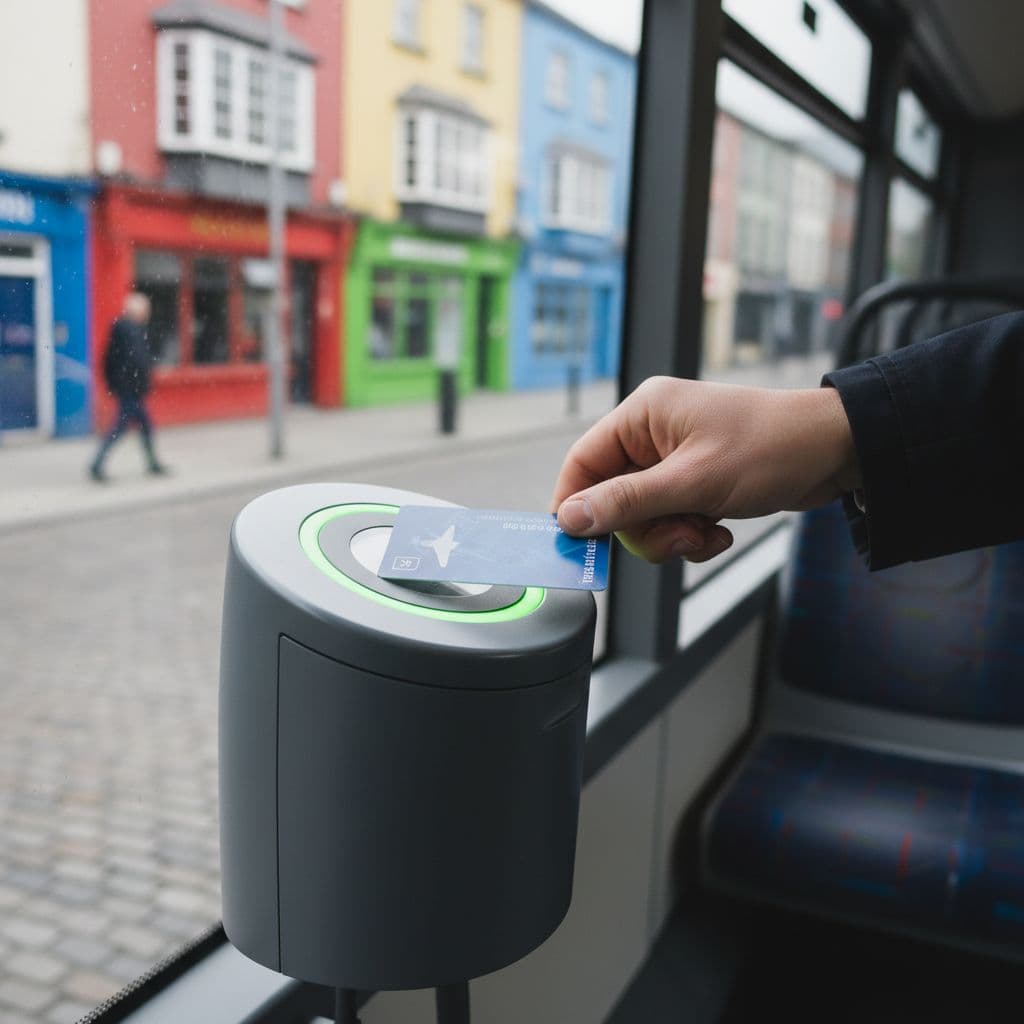
How to ride buses, trams, and trains the right way
On buses, look at the destination sign before you board. Have your card in your hand, not buried in a backpack pocket. If you’re using Dublin Bus, you tap as you get on. If you want to get off at the next stop, press the stop button in time. Simple, but easy to miss on day one.
The Luas works differently. You tap on the platform before boarding, then tap again when you finish your trip. DART and commuter rail are similar. Tap at the station or gate before travel, and tap out when you leave if the station has gates or validators. If you’re taking an intercity train, buying your ticket ahead of time is often the least stressful choice.
For route planning, Google Maps is useful, and the TFI journey tools are good for local detail. Check both if the timing matters. If one says you have a two-minute connection, trust your instincts and give yourself more room.
Where tourists usually travel, from Dublin to popular day trips
Most visitors start in Dublin, and that’s where public transport feels strongest. The city itself is easy to cover by bus, Luas, DART, and short rail trips. You can get to neighborhoods, museums, and coastal towns without much effort.
The easiest day trips are usually the obvious ones on main lines. Howth, Bray, and Malahide are low-stress coastal options. Kilkenny works well for a historic town feel. Galway can be done as a long day if you start early. Think of the network like a spiderweb with Dublin near the middle. Big routes are solid. Remote corners have gaps.
That’s the trade-off. Public transport is excellent for popular routes and nearby cities. Once you start chasing small villages or far-off natural sights, the timetable starts calling the shots.
Plan smarter day trips so you don’t waste time
The best day trip isn’t always the famous one. It’s the one that gets you there without three transfers, a missed connection, and a 9 PM panic about how you’re getting back.
Choose day trips that work well by public transport
Direct services are your friend. Coastal towns, nearby cities, and historic stops with regular departures are the sweet spot. They give you more time on the ground and less time staring at a platform display.
From Dublin, DART trips are the easiest win. Towns on direct rail or main bus routes also work well, because the return journey is usually clear. If a place needs a train, then a bus, then a taxi, that’s a sign. Save it for a car day or book a tour instead.
Some famous places look close on a map and feel far in real life. Ireland isn’t huge, but travel times can stretch once you leave the main corridors. Public transport day trips work best when you choose places with straight, reliable routes.
Check schedules, return times, and last services before you go
This is the part people skip. Then they end up eating a rushed lunch because they suddenly realize the next train is three hours away.
Check your outbound and return times before you leave your hotel. Take screenshots. Weekend and holiday schedules can be lighter, and smaller towns often have fewer evening options. If your trip includes a connection, build in buffer time instead of planning with zero margin.
One more rule helps more than any app: know your last sensible way home, not only the final service of the night. That gives you room for delays, weather, and the simple fact that vacation days run late.
Public Transport in Ireland
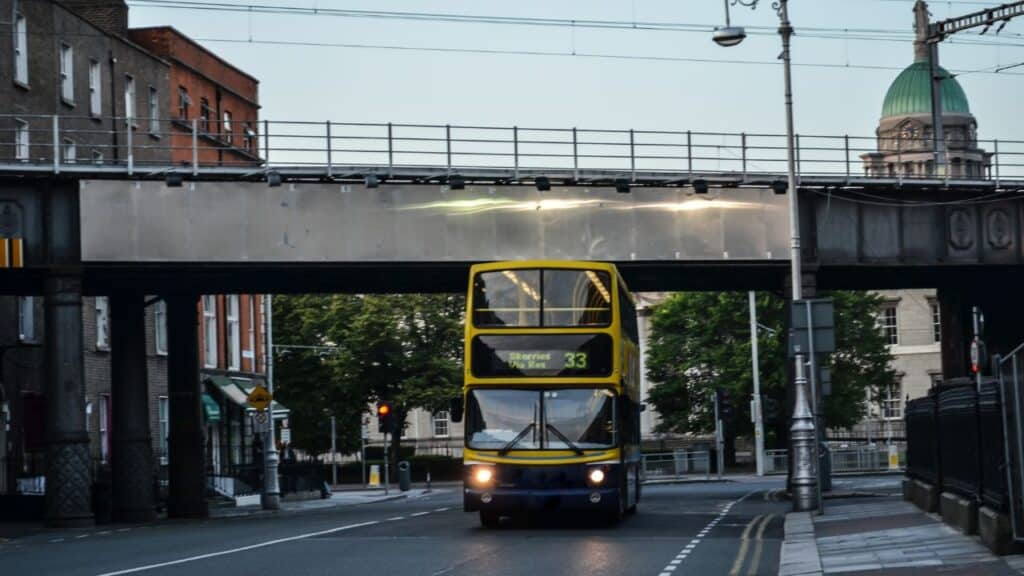
You don’t need a rental car to see a good chunk of Ireland. Pick the right card, learn the tap-on routine, and choose day trips that sit on strong bus or rail routes.
For many visitors, Dublin is where public transport shines. You can see the city, reach the coast, and take a few smart day trips without much fuss. The roundabouts can wait for another trip.