
Have you ever seen the night sky transform into a canvas of dancing light? I’ll never forget my first glimpse of the Northern Lights, that moment when green and purple ribbons suddenly appeared overhead, moving like spirits across the darkness.
Many travelers don’t realize you don’t need to journey to Iceland or Norway to witness this spectacle. Right here in Ireland, particularly during solar maximum years like 2025, the Aurora Borealis occasionally graces our northern shores. Let me walk you through everything you need to know about catching this magical phenomenon without leaving the Emerald Isle.
This article may contain affiliate links. If you purchase through these links, I may earn a small commission at no cost to you. Thank you for your support!
Introduction to the Aurora Borealis
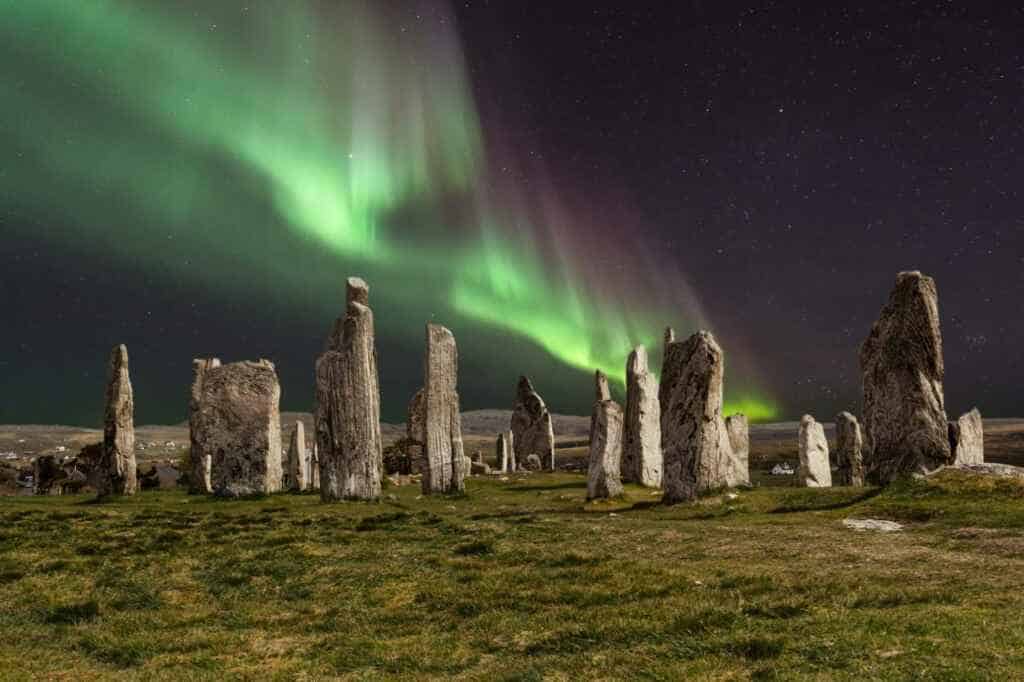
Have you ever dreamed of watching ribbons of colorful light dance across the night sky? The Northern Lights, or Aurora Borealis, are one of nature’s most spectacular displays. These gorgeous light shows happen when charged particles from the sun crash into gases in our upper atmosphere. When these particles collide, they create the greens, reds, and purples that make up the aurora.
It’s no wonder the Northern Lights hold such deep meaning for northern communities! The shifting shapes and colors have fascinated people for centuries. What makes them so special is both their beauty and their mystery; you never know exactly when or how they’ll appear in the sky.
The Science Behind the Aurora Borealis

So what’s actually happening up there? It all starts with the sun. During solar flares or coronal mass ejections, the sun sends out energetic charged particles. These particles ride the solar wind toward Earth, where our planet’s magnetic field guides them toward the poles.
The sun goes through cycles of activity about every 11 years. During solar maximum, the most active part of this cycle, there are more particle emissions, which means more frequent and vivid auroras.
You’ll find most auroral activity in what’s called the “aurora zone”, a belt covering latitudes between 65° and 72° North. This zone gets the most regular light shows because of how it lines up with Earth’s geomagnetic poles.
Ireland’s Geographical Position in Relation to Aurora Zones
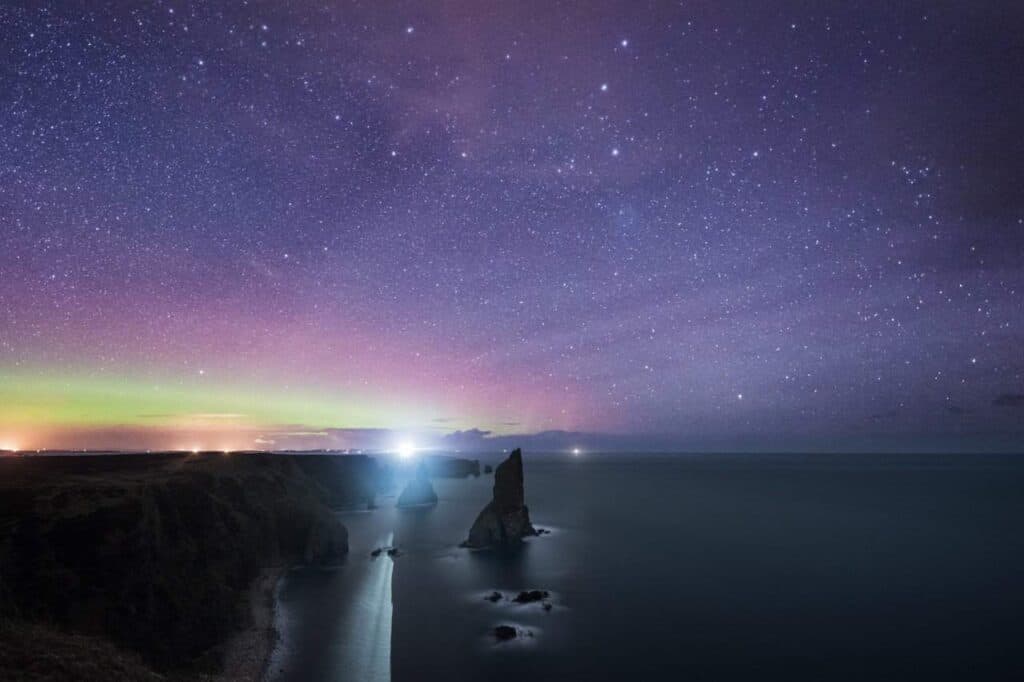
Now, here’s the thing about Ireland: it sits a bit south of the primary aurora zone at about 51–55° North latitude. That’s why seeing the Northern Lights in Ireland isn’t an everyday occurrence.
But don’t lose hope! When solar activity ramps up and geomagnetic storms occur, the auroral oval (the area where you can see the lights) expands southward. This is when Ireland gets its chance to witness the show.
The timing of the solar cycle matters too. During solar maximum years, like 2024–2025, your chances of spotting the Northern Lights from Ireland go way up as those solar storms push the auroral activity further south.
Historical Sightings in Ireland
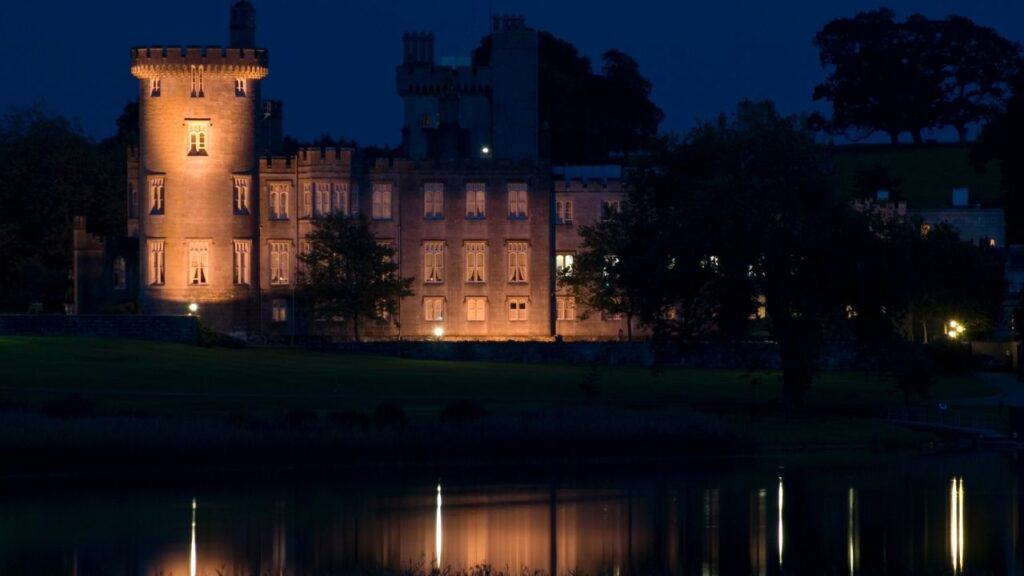
While the first recorded auroras in Ireland date back to medieval times, most modern sightings happen in the northwest counties. The years 2012 and 2014 brought notable displays, and with the current solar maximum (2024-2025), sightings have become more frequent.
Counties like Donegal, Mayo, and Sligo have reported some of the strongest auroral displays. The common thread in successful sightings? They almost always coincide with intense solar storms and those rare, perfectly clear Irish nights, away from city lights, of course.
Best Times to See the Aurora Borealis in Ireland
Want to plan your aurora hunt? Your best time is between October and April, when nights are longest and darkest. The ideal viewing hours typically fall between midnight and 2 am, when geomagnetic activity often peaks.
Winter darkness is absolutely key here. During summer, the nights are shorter and there’s more twilight, which makes seeing the aurora much harder even if all the solar conditions are just right.
Top Locations in Ireland for Aurora Viewing
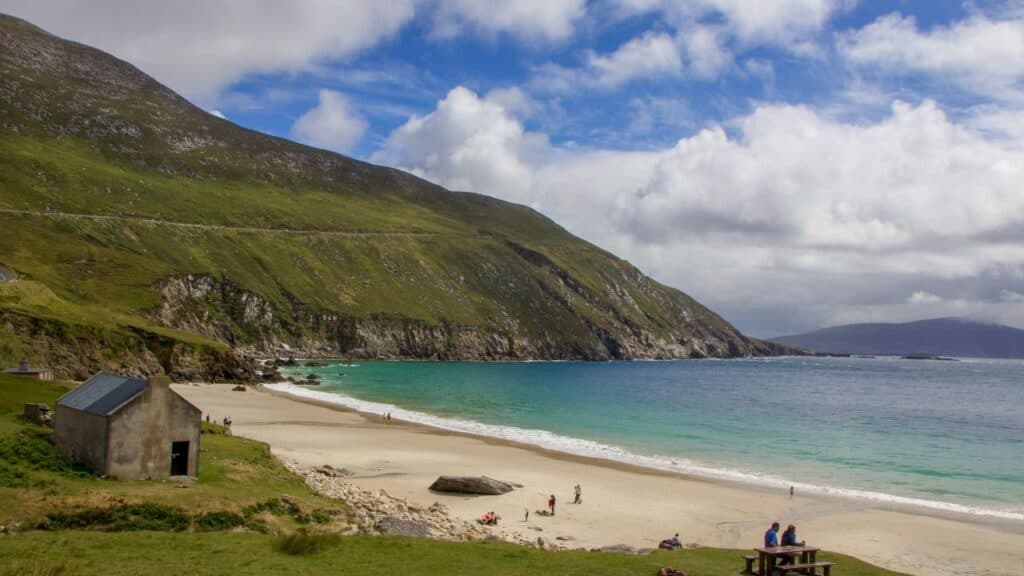
If you’re serious about catching the Northern Lights in Ireland, head to the northern and western coasts. Some of the best spots include:
- Malin Head on the Inishowen Peninsula: Ireland’s northernmost point, offers clear views northward with minimal light pollution
- Fanad and Rosguil Peninsulas in Donegal: These remote areas provide clear horizons over the Atlantic
- Mullet Peninsula and Downpatrick Head in Mayo: Famous for their north-facing vantage points and dark skies
- Mullaghmore Peninsula in Sligo: Recently gaining fame for its excellent northward views
The golden rule? Stay away from major cities like Dublin or Belfast; their light pollution will wash out the subtle colors of the aurora. Always look for locations with a clear view northward and an uninterrupted horizon.
I’ll continue with more practical tips in the next sections to help you make the most of your Northern Lights adventure in Ireland!
Don’t Miss Your Chance to See the Magic
Well, now you’re equipped with everything you need to chase the Northern Lights in Ireland! Remember, we’re entering a peak period of solar activity that won’t come around again for another 11 years, so 2024-2025 offers your best chance to witness this phenomenon.
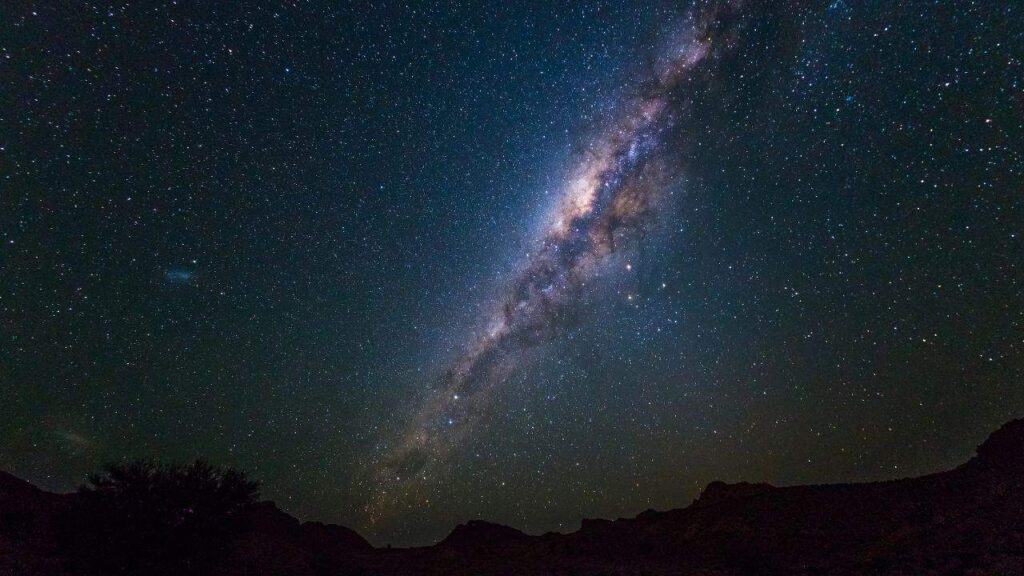
Don’t wait for the perfect moment, pack some warm clothes, grab your camera, and head north when conditions look promising. And if you don’t catch the lights on your first attempt? The dark skies of Ireland’s northern coast offer spectacular stargazing even when the aurora doesn’t show. Just being out there under that vast, twinkling canopy is an experience worth having.


