From Bridgerton fantasies to Outlander pilgrimages, travelers are skipping hotels in favor of turreted towers, velvet drapes, and centuries-old stone walls.
Castlecore travel is booming, with Google searches up nearly 2,000%, and Americans are hopping across the pond to live out their royal daydreams in real-life castles across France, Germany, the U.K., and beyond.
Whether you’re chasing medieval history or just want that fairytale photo op, here’s why castlecore is more than just a vibe…it’s a travel movement.
France

If you journey to France, you can see the Eiffel Tower, the Champs-Élysées and the Louvre. But if you really want to dig into Europe’s history, castles are key.
Carcassonne remains Europe’s largest medieval fortified city. Inside, the Cité de Carcassonne or Carcassonne Citadel dates back to the earliest days of the Roman Empire. The Visigoths and Crusaders also claimed the area at various times. You have to pay to enter the castle. However, you can get lodging within the city’s nearly 2-mile-long double walls and see the countryside from one of the 52 watchtowers.
The dukes of Brittany built the Château de Saint-Malo in the 15th and 16th centuries to protect the island city. Saint-Malo has seen many battles and sieges, including World War II, but it’s most famous for defending the area against pirates. It’s now home to the Musée d’Histoire de St-Malo.
Château de Chenonceau is probably best known as the home base for Catherine de Medici. The so-called Serpent Queen renovated and updated the 500-year-old castle, built atop a medieval fortress destroyed in the Hundred Years’ War. As a result, it’s a mix of Gothic and Renaissance architecture. Chenonceau now houses an extraordinary collection of furniture, tapestries and artwork, suitable inspiration for any castlecore enthusiast.
Germany
You would be hard pressed to visit every castle in Germany. It’s estimated that 25,000 fortifications and strongholds sprawl across the German Republic. Many are in states of collapse or disrepair. A few stand out above the rest, no pun intended.
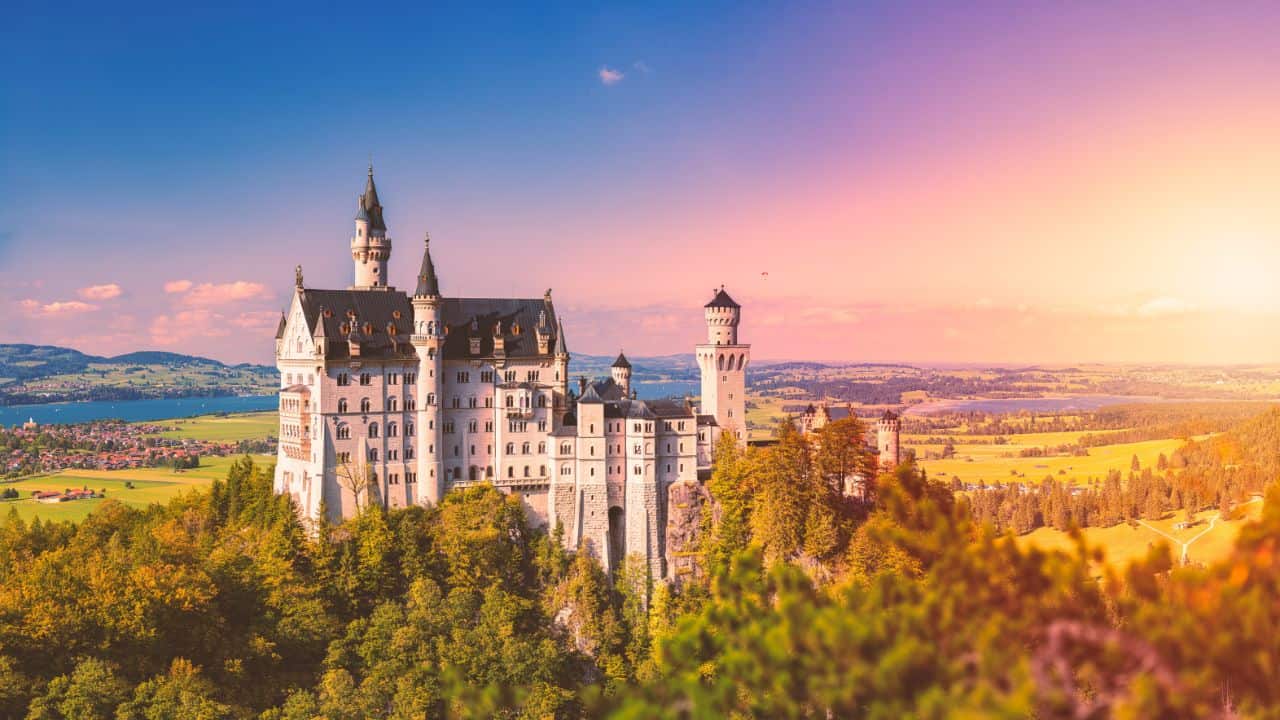
Neuschwanstein and Hohenschwangau — nothing quite says romance like Mad King Ludwig II’s palatial citadels in Germany. Now known worldwide for a different reason — the inspiration for Disney’s Cinderella Castle. Hohenschwangau was Ludwig’s boyhood home. Neuschwanstein was the castle he fantasized about. Unfortunately, he emptied state coffers to build it and was deposed — to this day, it remains unfinished.
Hohenzollern Castle literally rose from the ashes of two previous castles as the home of the Prussian government. The 140-room fortress now houses a museum of artifacts related to the history of Prussia and its royal families, and hosts one of Germany’s most popular Christmas markets.
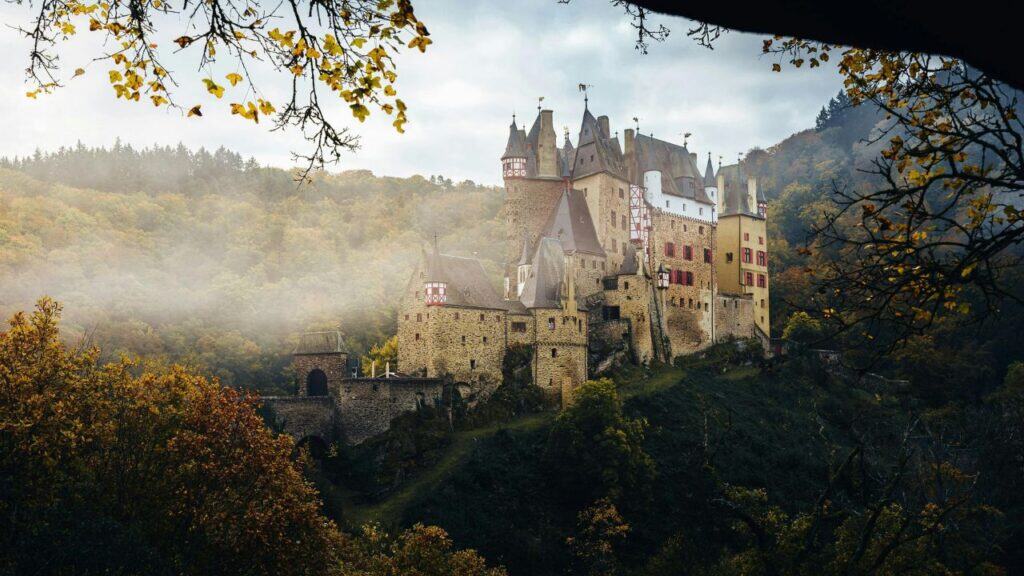
The more than 800-year-old Eltz Castle has never had its walls breached and remains one of the few castles in Europe that has never been destroyed. The castle blends medieval and Renaissance styles and is split into three sections, one for each branch of the Eltz family who still own it. Be on the lookout for brave Agnes, the count’s daughter, who died defending her honor in her brother’s armor in the 14th century.
United Kingdom

The best part of visiting the U.K. is right there in the name — United Kingdom — the various islands ruled by King and Crown have more than 4,000 castles with multiple layers of history, look and style. And many still standing now offer nightly accommodations.
Windsor Castle is the largest castle in England. It also holds the distinction of being the oldest and largest occupied castle in the world. No surprise, as the British royal family still resides within its walls. Like the United States’ White House, you can see select portions of the castle, like St. George’s Chapel — a spectacular remnant of the Perpendicular Gothic style of 1,000 years ago.
You might recognize much of the inside of Alnwick Castle, as it was the filming location for the first two “Harry Potter” films and the “Downton Abbey” Christmas specials, filled with festive food like roasted turkey and roast beef. Alnwick Castle has been a military base, a teaching college and has housed refugees. Today, you can explore the castle’s treasure-filled State Rooms and see examples of medieval crafts and skills.
The 100-foot-high gatehouse might be the first thing people notice about Doune Castle in Scotland. Like many European castles, it was built on the ruins of previous fortresses, in this case, a Roman fort. In 1361, it became the home of the Governor of Scotland, who expanded the Duke’s Hall with a minstrel’s gallery, double fireplace and a carved oak screen. While it appears half finished, parts of Doune Castle have appeared in “Monty Python and the Holy Grail,” “Outlander” and “Game of Thrones.”
The original Blarney Castle was a wooden fortress built in the 10th century. Around 1210, it was rebuilt entirely out of stone. Robert the Bruce gifted half of the mystical Stone of Scone to Cormac MacCarthy for supporting him against England. Allegedly, kissing the now-called Blarney Stone gives one the gift of eloquence.
Castlecore at home
It’s no surprise that some folks want to bring a physical memory home after visiting some of these ancient accommodations. Castlecore decor can transport you back to that world of romantic escapism and timeless elegance.
And it doesn’t have to be costly. Anton Liakhov, co-founder of roomtery, explains: “The best way to produce castlecore affordably is by identifying characteristics with uniqueness. Vintage chandeliers, old mirrors or second-hand sofas are only a few of the royal-inspired vintage pieces available at flea markets and thrift shops.”
Some fans of the aesthetic go even further, embracing castlecore through food. Others take a cozier approach — channeling the vibe with dishes that are more potluck than palace, like funeral potatoes served in a gilded casserole dish. A towering slice of German chocolate cake, with its rich layers and old-world charm, wouldn’t feel out of place at a banquet beside a roaring hearth.
Embracing the escapist lure of castlecore means taking a trip, not just across borders but back in time. The desire for romance, stirring drama and connecting with, if not becoming, royalty is a strong draw. Further, the allure of experiencing some of the most breathtaking sights in the world, preserved exactly as our ancestors saw them, is undeniable. The magic and fairy tale feel of spending the night in or near a castle is something everyone should try.
A luxury travel, food and adventure journalist with a passport full of stories from over 46 countries, Mandy specializes in uncovering unforgettable experiences across the globe. With a deep love for the Far East and a diver’s eye for hidden worlds, she brings readers along on immersive journeys that blend indulgence with discovery, and she shares it all on Ticket to Wanderland.
This article originally appeared on Food Drink Life.