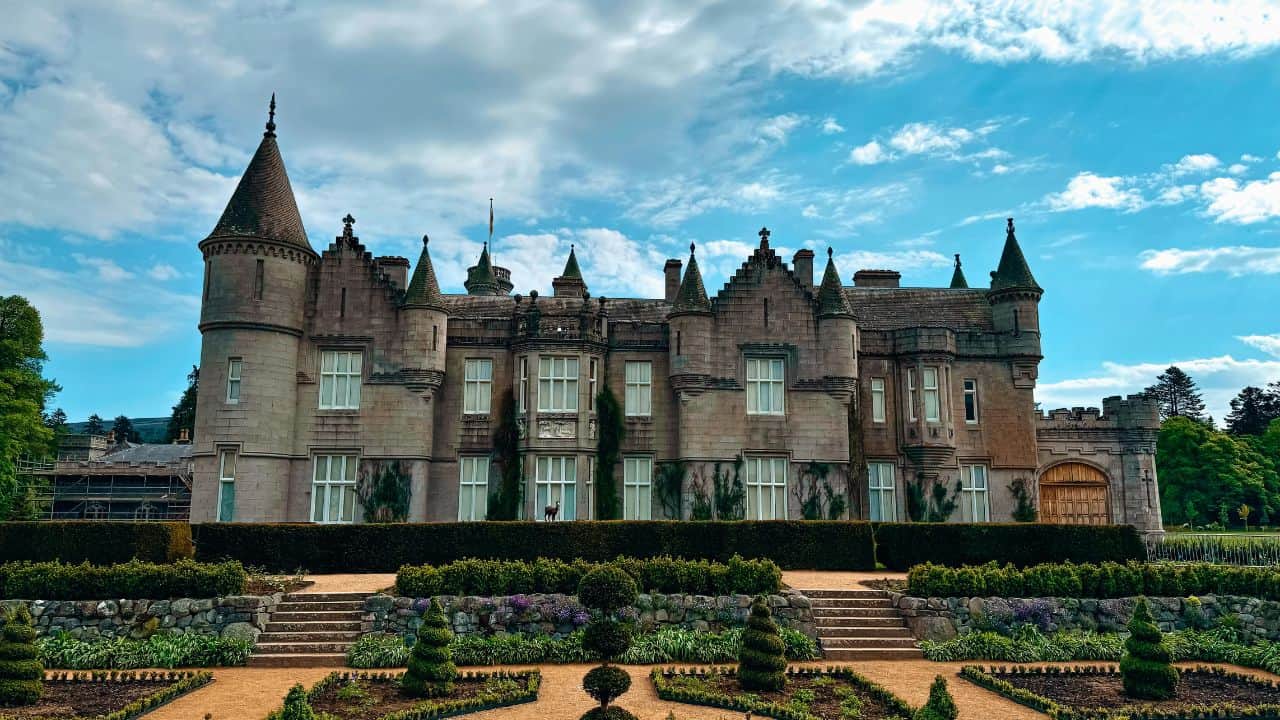
Most Balmoral day trips orbit the castle, then end far too soon. That’s a shame, because Balmoral Estate makes the strongest impression once you step past the headline sight and into the wider grounds.
This isn’t just one royal building. It’s a spread of cairns, gardens, old woodland, river paths, and quiet corners that hold both family memory and much older Highland history. Since many visitors come with only a few hours, usually in the warmer months, it helps to know where to slow down and look a little farther.
This article may contain affiliate links. If you purchase through these links, I may earn a small commission at no cost to you. Thank you for your support!
Start with the places that give Balmoral its deeper story
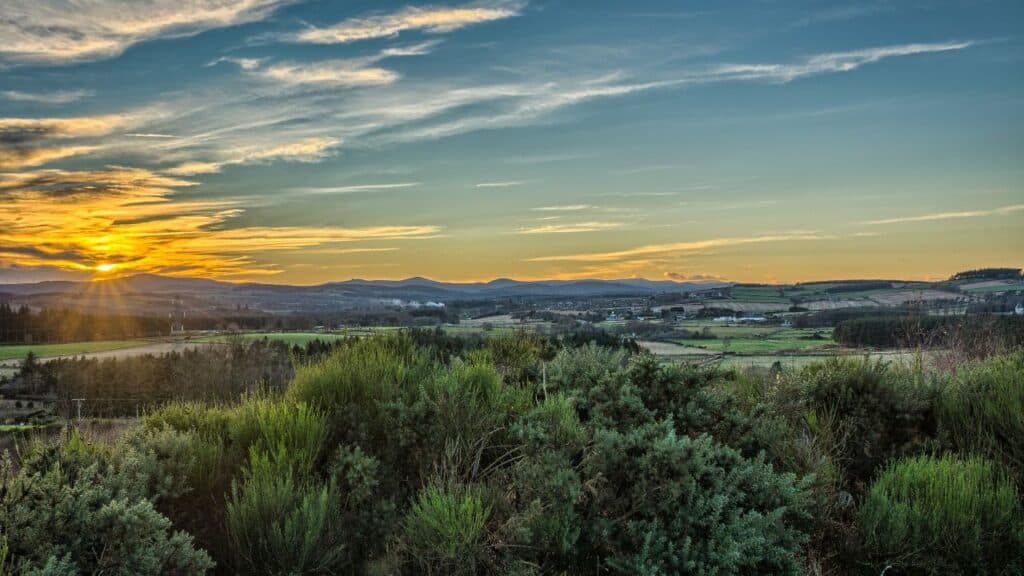
If you want Balmoral to feel more personal, start with the cairns. These stone memorials sit out in the weather, not behind glass, and that changes the mood straight away. You aren’t reading history off a plaque in a room. You’re walking toward it, step by step, with wind, heather, and big sky all around.
That little bit of effort matters. A cairn visit feels less like ticking a box and more like arriving somewhere that means something. The stones mark moments tied to members of the royal family, so they tell a quieter story of Balmoral, one shaped by grief, memory, and time outdoors.
Many day-trippers stay close to the main visitor area, so they miss this side of the estate entirely. That’s a pity, because the cairns often leave the stronger memory. Not flashy, not crowded, just still.
Older stones and hidden ruins add a layer most people do not expect
Then there’s the older history, the kind that sneaks up on you. Around the wider Balmoral and Deeside area, you’ll find standing stones, old sites, and faint ruins that hint at lives lived here long before the royal retreat took shape.
Access can vary, and some spots sit near estate edges or roadside pull-offs rather than in the busy core. Still, that’s part of the charm. You turn a corner, see weathered stone in the grass, and suddenly, Balmoral feels much bigger than one era.
It isn’t about collecting exact dates on a fast schedule. It’s about sensing the depth of the place. The estate has that rare quality of holding recent memory and deep past in the same frame, almost like two conversations happening at once.
Walk into the estate’s quieter side, gardens, forest, and river paths
Balloch Buie Forest is where Balmoral feels wild and almost secret
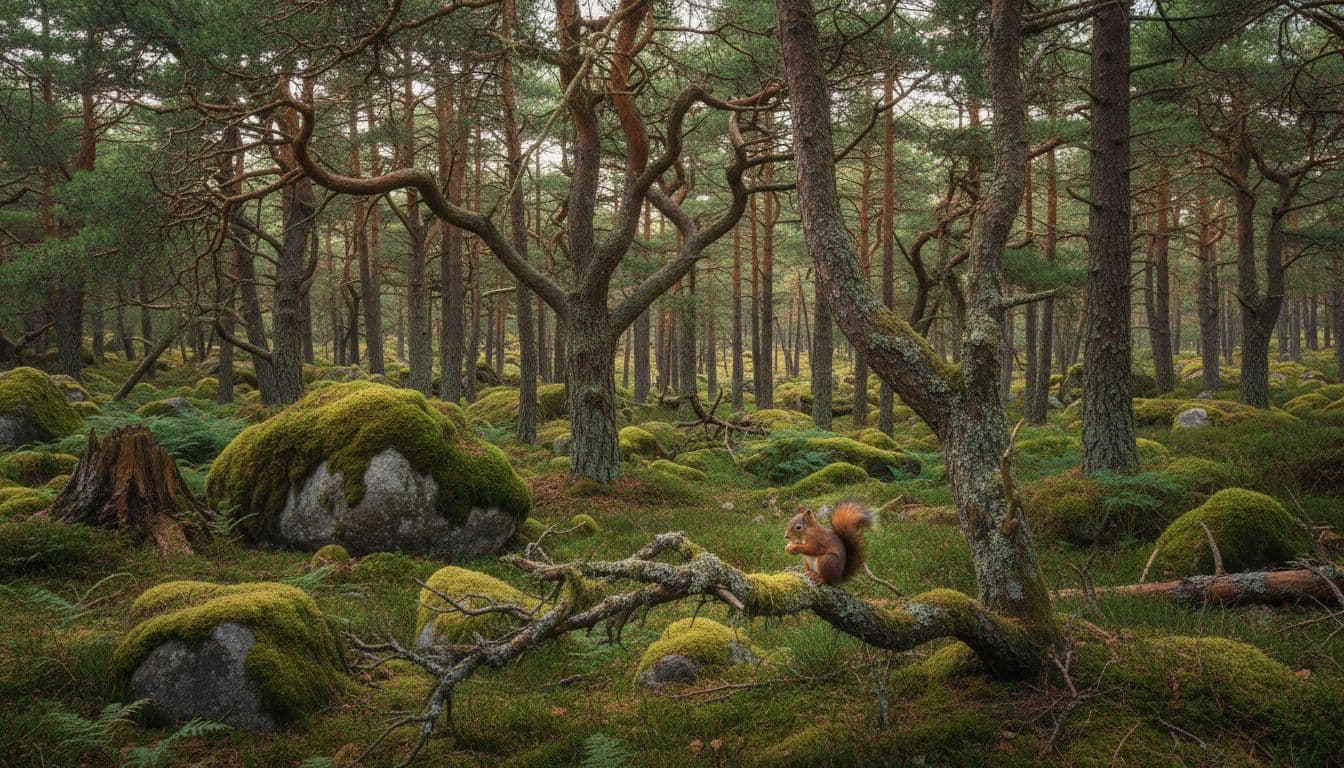
Balloch Buie is the bit that makes you whisper a little. The old Caledonian pines, the mossy ground, the boulders half sunk in green, it all feels older and wilder than the neat castle image most people carry in.
Wildlife helps, too. Red squirrels, deer, and woodland birds all add to that half-hidden feeling. Even when the air is still, the forest seems busy in a quiet way, with rustling branches and tiny movements in the undergrowth.
In 2026, Balloch Buie isn’t part of standard general admission. Current visitor info points people toward the estate’s expedition-style tours for access to the wider forested areas. So, if this is your dream stop, plan ahead. The reward is huge, because this is where Balmoral stops feeling polished and starts feeling ancient.
The gardens offer a softer, more intimate view of Balmoral
After the forest, the gardens feel like an exhale. They aren’t wild, of course, but they aren’t stiff either. The best parts feel calm and close, almost like you’ve been let into a gentler side of the estate.
Spring through early fall is the sweet spot for color. Flower beds fill out, walls hold in warmth, and even the gravel paths seem to slow your pace. Instead of grand views, you get details, petals, clipped edges, old stone, shifting scent after rain.
That contrast is part of the fun. One hour you’re in pine shade, the next you’re looking at careful planting and soft blooms. Balmoral works because it can do both without feeling forced.
River and woodland paths reward the people who keep going
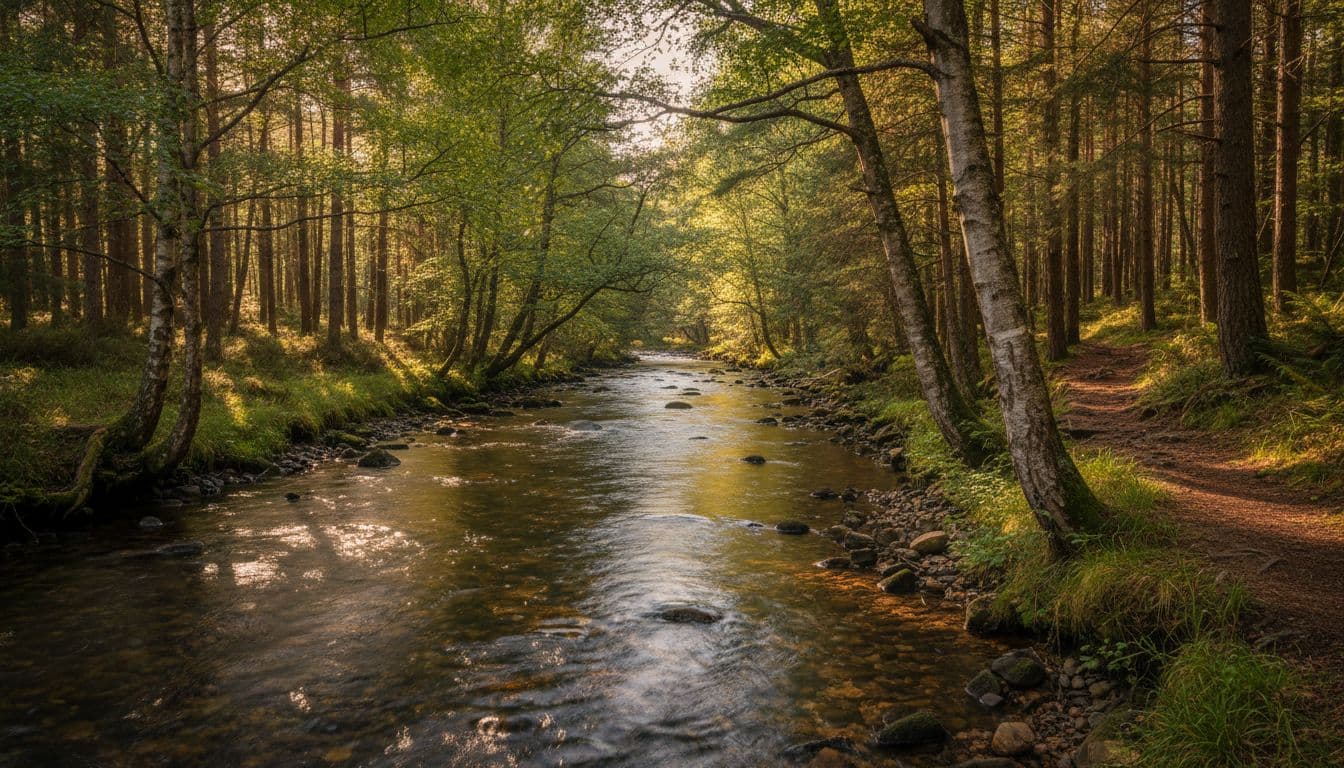
The River Dee paths are for the people who don’t rush back to the car. Keep walking and the estate starts to open in a different way, with softer views, more birdsong, and those flashes of light through the trees that make you stop for no big reason at all.
Along the river, salmon pools and smooth water edges give the walk a bit of drama without making it hard work. Meanwhile, woodland paths link quiet spots into one easy-going outing. You don’t need a full trail plan to enjoy this. You only need time, decent shoes, and the will to keep going when the obvious viewpoint is already behind you.
Balmoral makes the most sense when you treat it like an estate, not a single attraction.
How to plan a day at Balmoral that feels less rushed and more rewarding

A simple route for seeing more than the castle
Keep the day simple. Start when the gates open, because the calmest hour is often the first one. In 2026, the main visitor season begins March 28 and currently runs to August 9, with daily hours from 10:00 a.m. to 5:00 p.m. and last admission at 4:00 p.m.
See the castle area and main grounds first, then choose one deeper experience. Pick a cairn walk, spend time in the gardens, or book a wider estate tour if Balloch Buie is your priority. Trying to do everything sounds smart, but it usually makes Balmoral feel thinner, not richer.
General admission currently covers the grounds, gardens, the Ballroom Exhibition, the Mews Gift Shop, and the restaurant. Interior tours and special tours can sell out, so booking ahead helps.
Small tips that help you find the quiet corners
A few small choices make a big difference. Arrive before the midday swell. Wear boots if rain is in the forecast, because Highland paths can turn muddy fast. Bring snacks or a picnic, too, since a relaxed stop often beats squeezing everything around lunch lines.
Maps matter here. Some quieter spots have subtle signage, so grab a map on site and check opening details before setting out. Adult pricing wasn’t listed in the latest 2026 visitor update, so confirm the exact price when booking.
Also, keep dogs on a lead where required, and stick to marked routes. That protects wildlife, avoids private areas, and keeps those lesser-known corners open and pleasant for everyone.
The best part of Balmoral often waits beyond the castle photo. It lives in the hush near a cairn, the shade of old pines, the river light, and the garden paths that make you slow down without even noticing.
So if you’ve only got one day, don’t try to conquer the estate. Pick one or two quiet corners, give them time, and let Balmoral feel like the wide, layered place it is.