
Rising above the fields of County Tipperary, this limestone stronghold once served as the seat of Ireland’s kings and later a center of Christian power. The Rock of Cashel has witnessed royal baptisms, Viking raids, and centuries of spiritual devotion, a dramatic history that still resonates through its ruins today.
From its origins as a royal fortress to its transformation into a spiritual center, this magnificent complex has witnessed a wide range of events, from royal baptisms to Viking raids. Today, it stands as one of Ireland’s most spectacular archaeological sites, combining centuries of power, faith, and architectural brilliance in one unforgettable location.
This article may contain affiliate links. If you purchase through these links, I may earn a small commission at no cost to you. Thank you for your support!
Historical Context of the Rock of Cashel
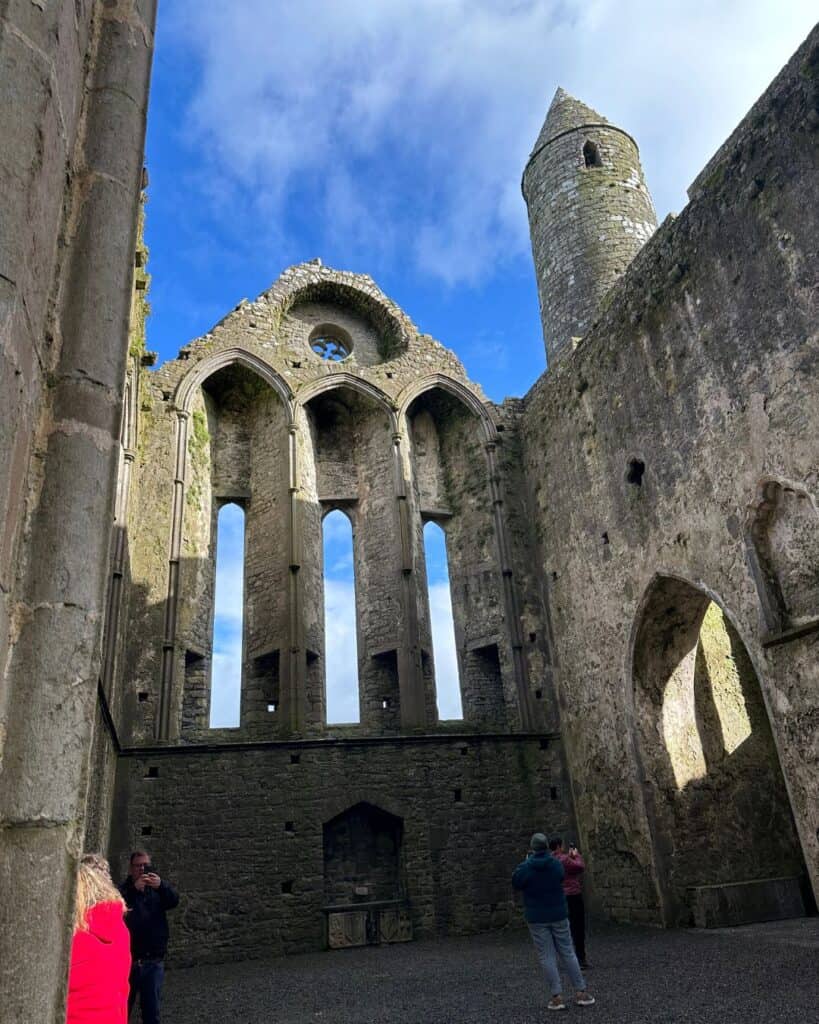
Standing proudly since the 4th century, the Rock of Cashel has been at the heart of Irish history. It started as the seat of the Kings of Munster, and its story takes an interesting turn with St. Patrick’s visit in 432 AD. As the tale goes, he baptized King Aengus right there on the rock!
The site really came into its own when Brian Boru picked it as his capital in 978. But here’s what changed everything – in 1101, King Muirchertach Ua Briain gave the entire rock to the Church. That’s when it switched from being a royal stronghold to a religious center.
The buildings you’ll see today went up between the 12th and 15th centuries, making it one of Ireland’s oldest and most important historical sites.
Visitor Information and Essential Tips
Planning a trip to the Rock of Cashel? You’ll find it open every day of the year from 9:00. If you’re coming between March and October, you can get in until 4:45 PM, while winter months have a slightly earlier last entry at 3:45 PM.
Tickets are €8 for adults, with discounts for seniors and groups at €6. Kids and students pay €4, and families can grab a package deal for €20.
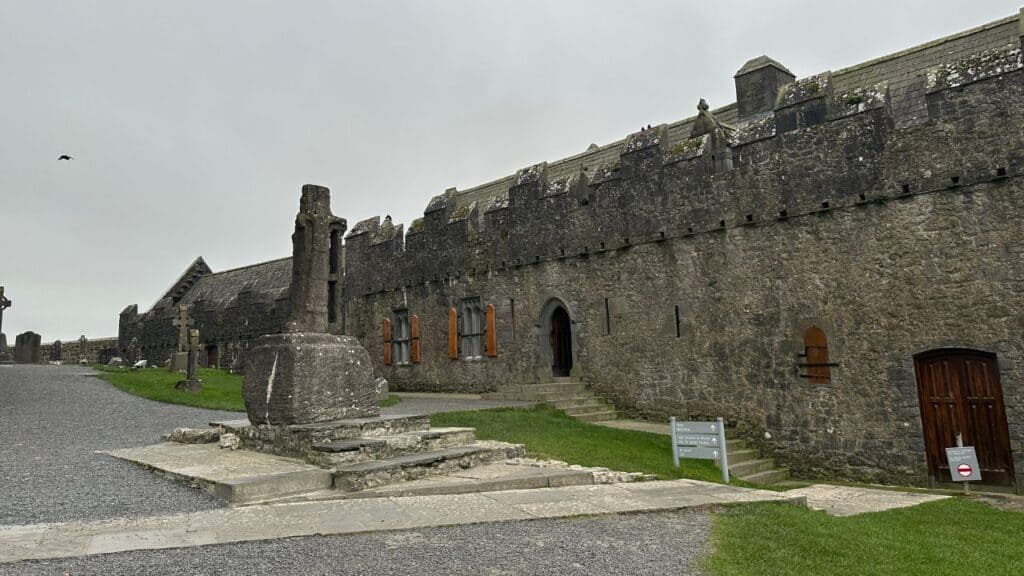
Here’s a helpful tip: don’t miss the guided tour – it’s your only way to see Cormac’s Chapel! While there’s a gift shop on-site for souvenirs, keep in mind the toilets are down in the car park. And speaking of the car park, you’ll need to walk about 200 meters uphill to reach the entrance, so wear comfortable shoes!
Travel Logistics and Tips for a Seamless Visit
Getting to the Rock of Cashel is straightforward – just hop on the M8 motorway if you’re driving from Dublin. Taking public transport? The X8 bus running between Dublin and Cork stops right in Cashel. If you prefer trains, head to Thurles station (20km away) and catch Bus 394 to complete your journey.
You’ll want to set aside about 1.5 hours for your visit. I’d suggest coming early in the morning or later in the afternoon to skip the big tour groups. It’s a perfect stop if you’re traveling between Dublin and Cork – you can pair it with a visit to Kilkenny Castle, which is just an hour away.
Remember, this isn’t a quick photo stop. Take your time to soak in the centuries of history and those stunning views of Tipperary’s countryside!
Breathtaking Views and Photography Tips
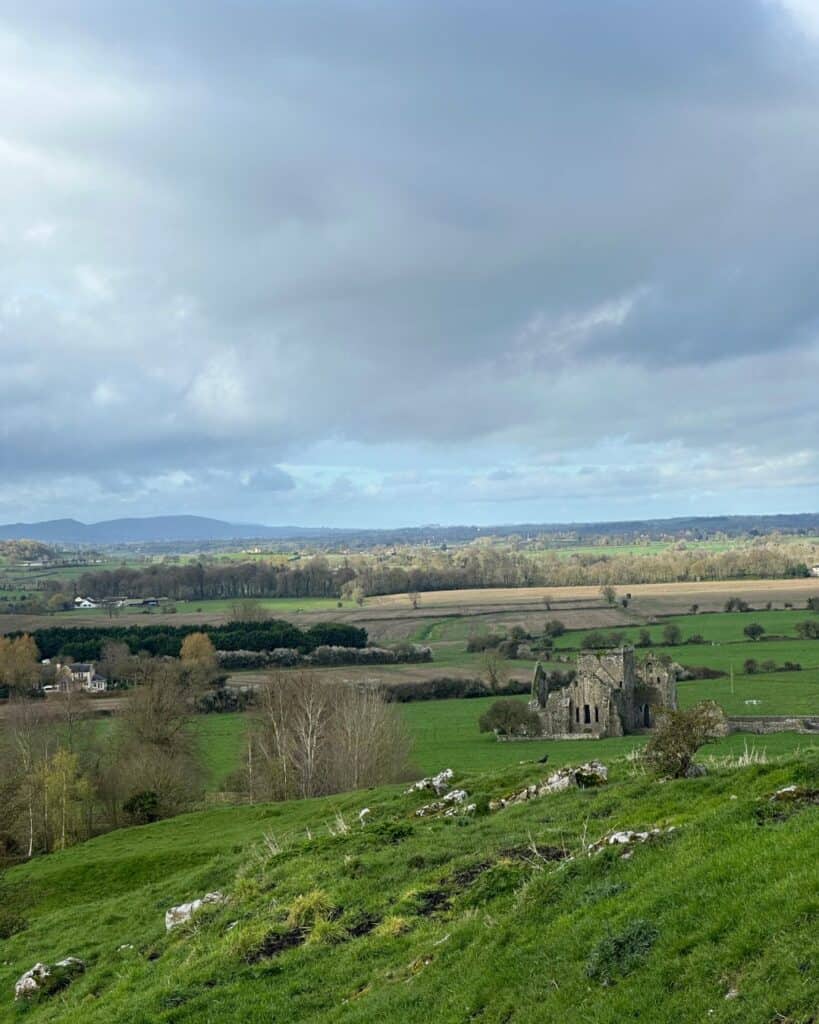
Looking for that perfect shot of the Rock of Cashel? The site offers some of the most breathtaking views across South Tipperary’s rolling countryside. I’ve found the best photos come from the south side in the morning light, when the sun brings out the rich textures of the ancient stones.
Want to catch the castle at its most photogenic? Try coming just after sunrise or before sunset – the golden hour light makes those medieval walls glow. And don’t forget to walk down to Hore Abbey for a different angle. From there, you can capture the Rock of Cashel rising majestically against the sky.
Pro tip: Irish weather can change quickly, so cloudy days often create dramatic backdrops. Just keep your camera ready along with your rain jacket when those clouds break – that’s when the magic happens!
Architectural Marvels of the Rock of Cashel
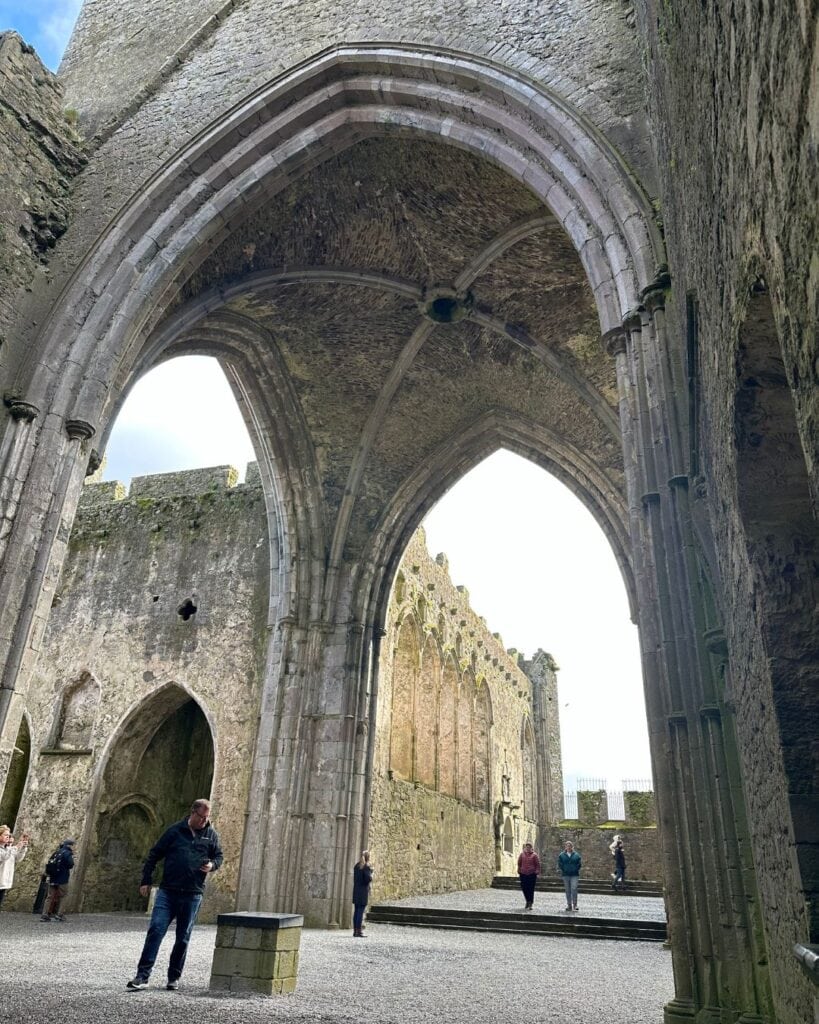
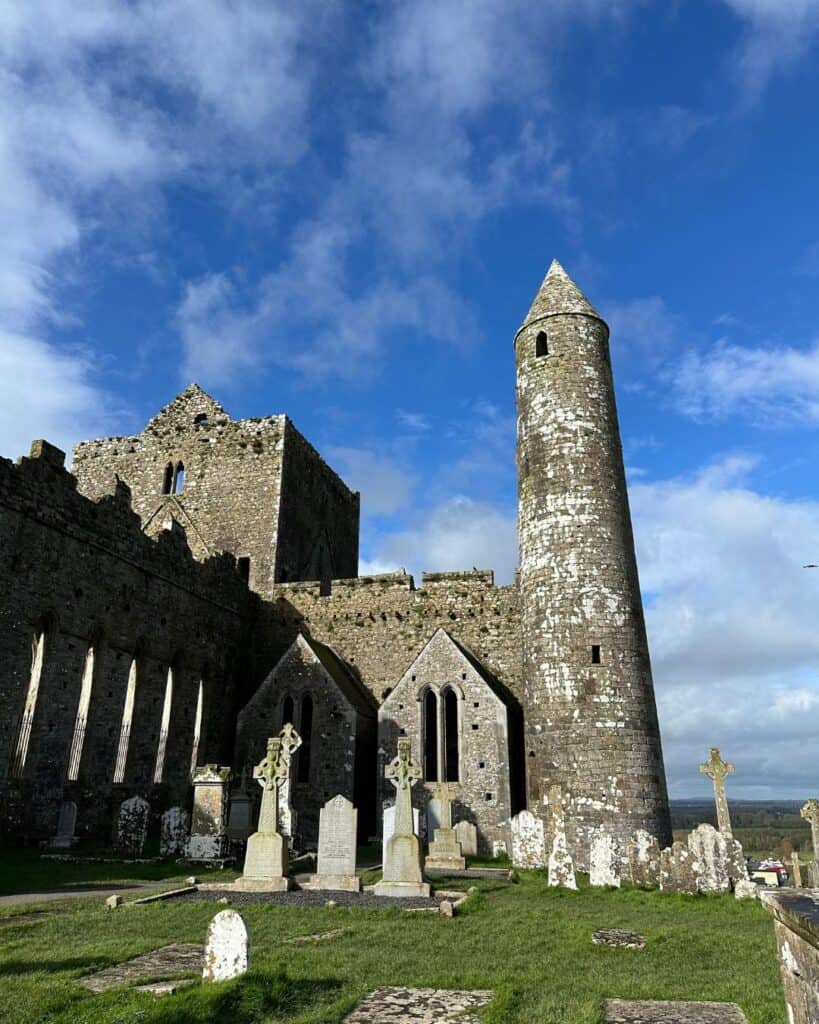
Have you ever wondered what makes the Rock of Cashel so special? It’s home to some of Ireland’s most stunning medieval buildings. The round tower stretches skyward, while the Gothic cathedral shows off its impressive stone walls and pointed arches.
But let me tell you about Cormac’s Chapel – it’s the real showstopper! Built between 1127 and 1134, this little gem is pure Romanesque style with its stone roof and beautiful carvings. Inside, you’ll spot something really special – Ireland’s only surviving Romanesque frescoes. These colorful wall paintings have somehow made it through nearly 900 years!
The cathedral might look a bit bare today, but back in the 13th century, its walls were covered in paintings and tapestries. Think of it as Ireland’s medieval art gallery!
Cultural Significance and Preservation of Irish Heritage
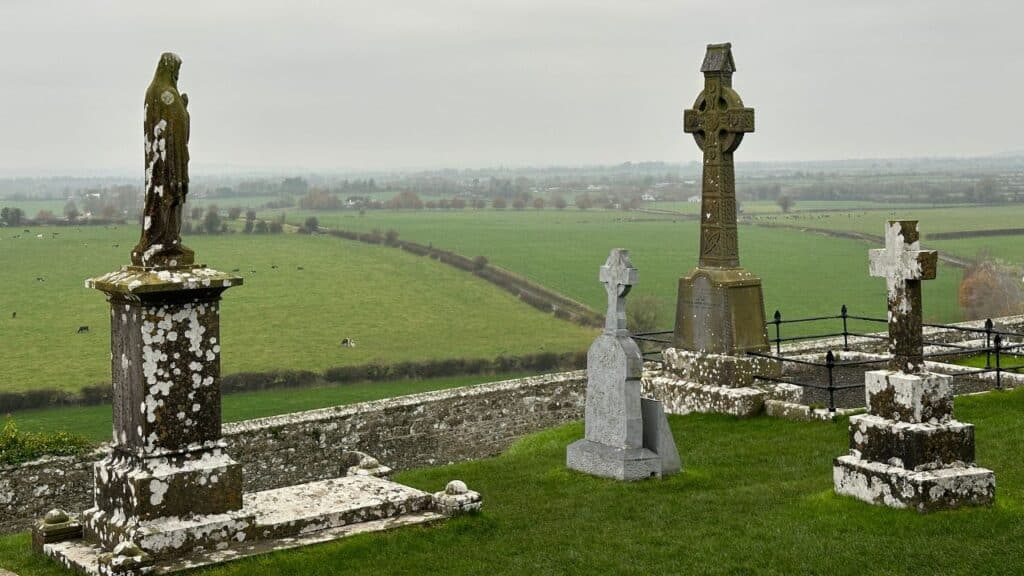
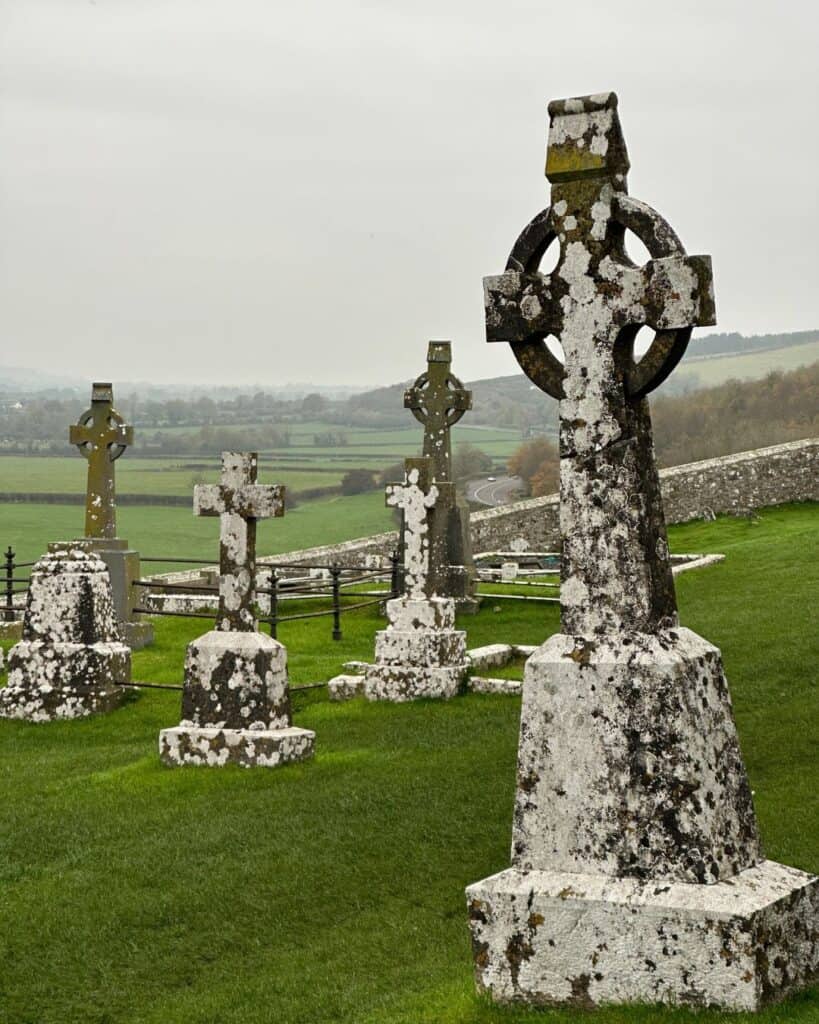
The Rock of Cashel stands as one of Ireland’s most visited heritage sites, bringing together royal and religious history in a way few other places can. What makes it extra special? It shows off both Irish-Romanesque and German building styles, making it a one-of-a-kind spot in Irish architecture.
If you’re a book lover, you might recognize the Rock as the backdrop for the popular Sister Fidelma Mysteries. These medieval whodunits have brought the site’s rich history to readers worldwide.
Throughout the year, local groups put on traditional music sessions and historical talks right on the grounds. You’ll often catch storytellers sharing tales about St. Patrick and the kings who once called this place home. It’s not just about seeing old buildings – it’s about keeping Irish traditions alive!
The site keeps changing with careful upkeep work going on all the time. Just last year, they finished fixing up some of the ancient wall paintings in Cormac’s Chapel.
Personal Experiences and Testimonials
I chatted with Sarah from Boston who visited last summer. “Start with the intro video,” she says. “It really helped me understand what I was looking at. And the guide’s stories about medieval life here? They brought everything to life!”
Mary from Chicago loved learning about the strong women who lived and worked here. “Standing in the cathedral where Irish queens once walked gave me goosebumps,” she shared. “The local guide told us about the female saints who lived and worked here.”
Want to feel like a local? Pop into Feehans Bar in Cashel town after your visit. That’s where Janet from Seattle met some friendly locals who shared old stories about the Rock over a hot Irish coffee. “They told me tales their grandmothers passed down – stories you won’t find in any guidebook!”
Nearby Attractions and Accommodations

Want to make the most of your trip to Cashel? Take a short walk down to Hore Abbey, sitting peacefully in the valley below the Rock. The abbey’s ruins offer a different view of the Rock of Cashel, making for wonderful photos against the Irish sky.
Right in Cashel town, you’ll find plenty of cozy B&Bs and hotels for every budget. I recommend staying overnight – the morning light on the Rock is something special! Try Cashel accommodations for a bit of luxury, or Bailey’s Hotel for that warm Irish welcome.
You can easily turn your Cashel visit into a bigger adventure. Kilkenny’s just an hour away, with its medieval streets and castle. Or head south to kiss the Blarney Stone – it’s less than two hours by car. The Cashel Folk Village, right in town, shows you what Irish life was like in years gone by.
The Rock of Cashel: Where History Comes Alive
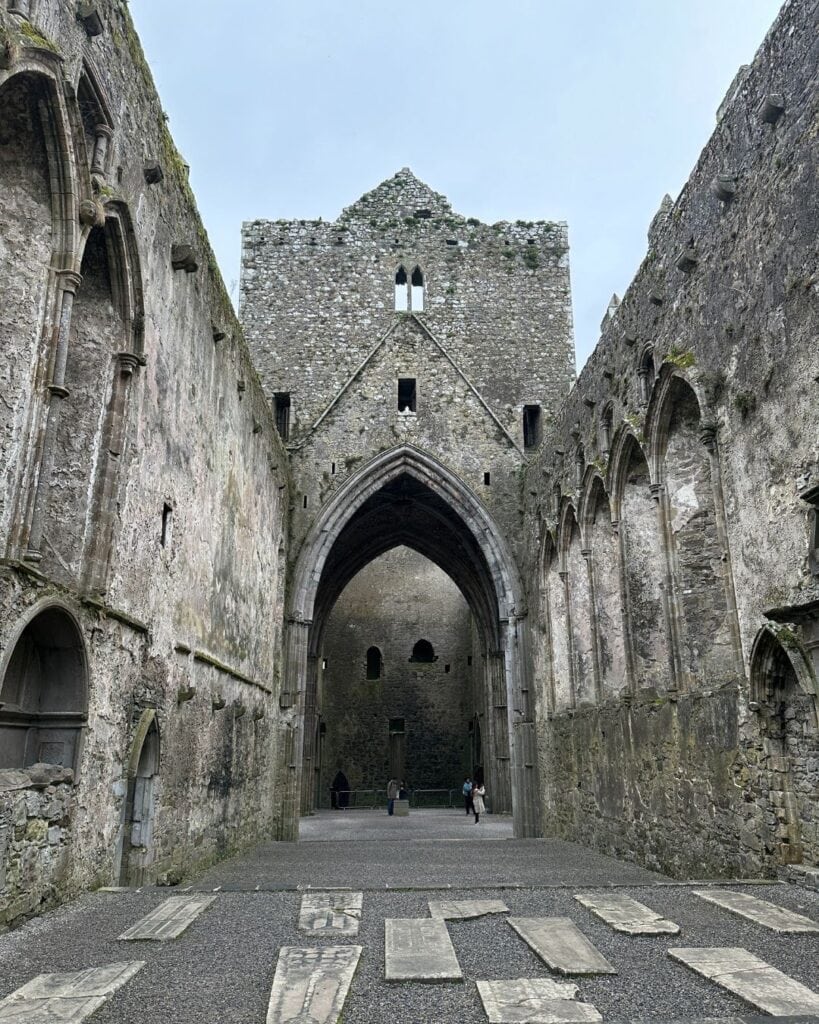
The Rock of Cashel isn’t just a tourist destination – it’s a living testament to Ireland’s rich tapestry of history, where every stone tells a story. Whether you’re capturing the perfect sunrise photo, exploring ancient frescoes, or simply soaking in the atmosphere of centuries past, there’s something here that speaks to every visitor’s soul.
Ready to experience this medieval masterpiece for yourself? Remember, the best visits are unhurried ones. Take time to hear the whispers of history in its ancient walls, and don’t forget to chat with the locals – they often know the most fascinating tales that never made it into the guidebooks!


