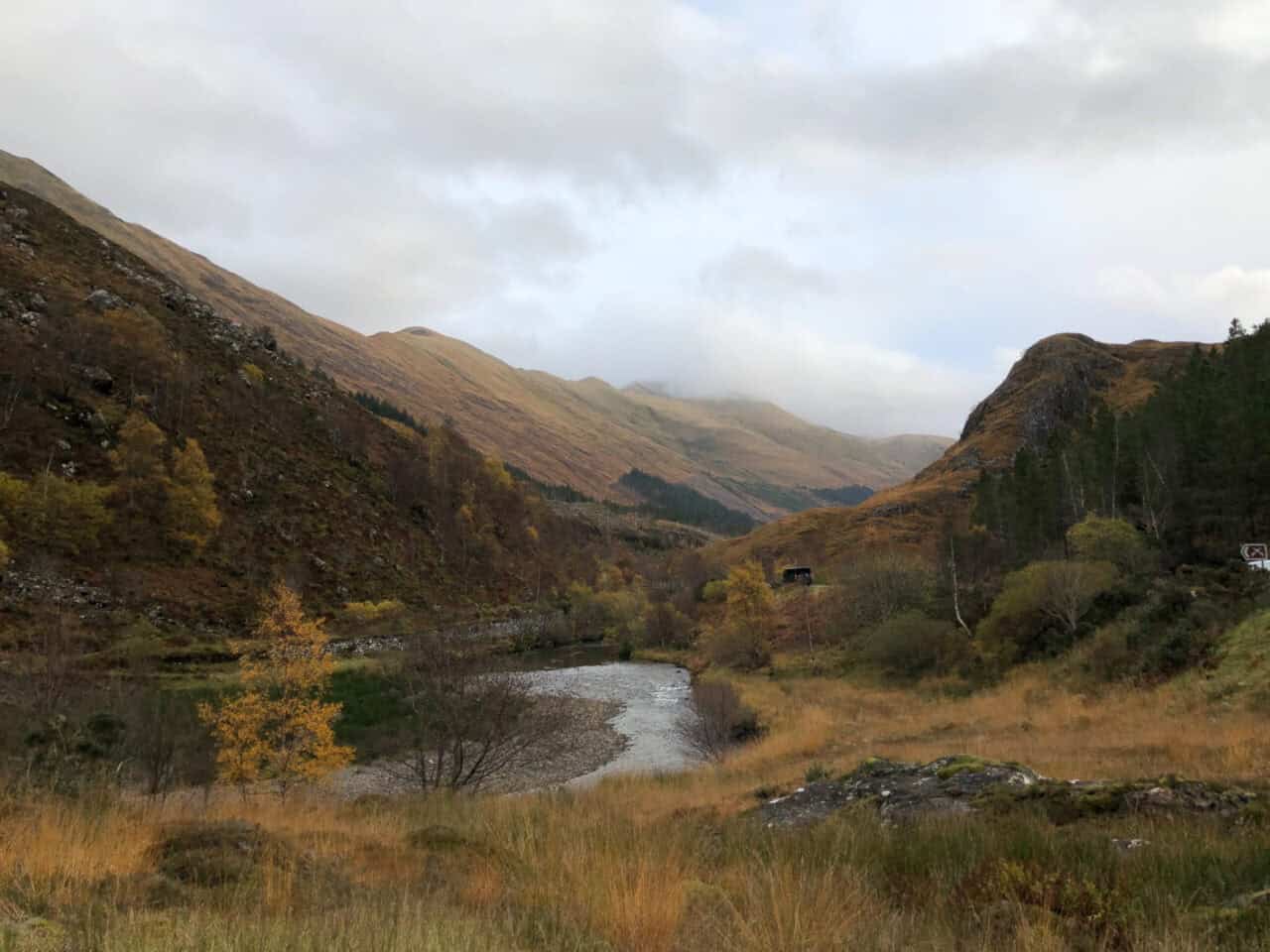
Nothing kills a Highland swim break faster than too much driving. The sweet spot is one easy base, two good lochs, and enough time to warm up properly between dips.
If you want a weekend of cold water swimming in the Scottish Highlands without turning it into an expedition, keep it simple. The plan here is practical, not heroic, which is exactly why it works so well for a first trip and still feels fresh on a return visit.
This article may contain affiliate links. If you purchase through these links, I may earn a small commission at no cost to you. Thank you for your support!
Choose a Highland area that keeps the weekend simple
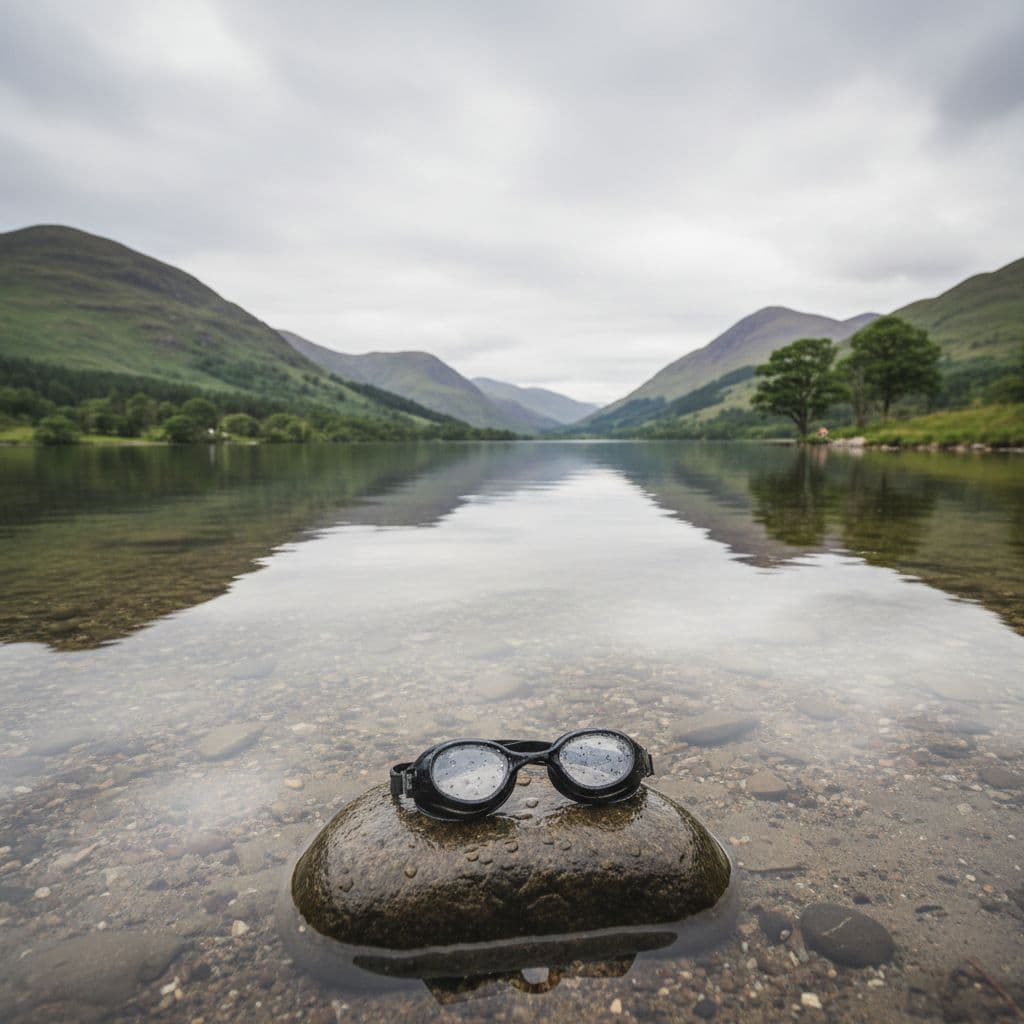
The easiest mistake is trying to “see the Highlands” in 48 hours. Don’t. Pick one area and let the weekend breathe. That means less time on single-track roads and more time in the water, in dry clothes, or with a hot drink in hand.
Why Aviemore and the Cairngorms work well for first-time planners
Aviemore is the soft landing. Loch Morlich is the big draw here, and for good reason. It has a sandy shore, clear water, and access that doesn’t feel like a puzzle. If you’re new to Highland loch swimming, that matters.
You also get a strong choice of places to stay in Aviemore and Glenmore, so you can sleep close to the water without much effort. If Morlich looks too windy, nearby spots in the Cairngorms give you options without rewriting the whole trip.
When Inverness makes sense as a central overnight base
If you want an easy hotel base, Inverness is hard to beat. Loch Duntelchaig is a good pick for a quieter swim, and you can reach it without a long transfer after check-in. That makes the whole weekend feel lighter.
This area also suits swimmers who want a calm evening in town after a cold dip. Loch Ness is nearby too, but it is bigger, more exposed, and colder than many people expect. For a relaxed weekend, Duntelchaig usually makes more sense.
Why Glencoe and Fort William suit a scenic two-day trip
This is the postcard version. Glencoe, Ballachulish, and Fort William give you dramatic views without forcing huge daily drives. Loch Leven is easy to reach for a quick freshwater swim, while Loch Lochy works well if you’re staying near Spean Bridge or heading north of Fort William.
Loch Linnhe is close too, though it’s a sea loch rather than freshwater. That’s fine if your goal is cold water and easy access, not a strict loch-only checklist. For scenery paired with straightforward overnight stays, this part of the Highlands is hard to top.
Build a weekend plan around weather, water, and daylight
A good plan is almost boring on paper. Arrive, do one main swim, settle into your stay, eat well, sleep, then swim once more the next day before driving home. That’s enough. Highlands weather can flip fast, so a loose plan beats a packed one.
Pick the best swim window for each day
Earlier swims often work better. You usually get better daylight, calmer water, and more room to adapt if a shore looks rough or the wind picks up. If Saturday includes a long drive, an early evening dip can still work, but keep it short and choose the easiest access point.
Leave room to warm up and change plans
Cold water slows everything down. Changing takes longer. Driving takes longer. Even deciding where to stop for coffee feels slower with numb hands.
Two good swims beat four rushed ones.
Give yourself buffer time after each swim to dry off, warm up, and check the next day’s conditions. If the first loch is too windy, switch to your backup rather than forcing it.
Book overnight stays that make loch access easy
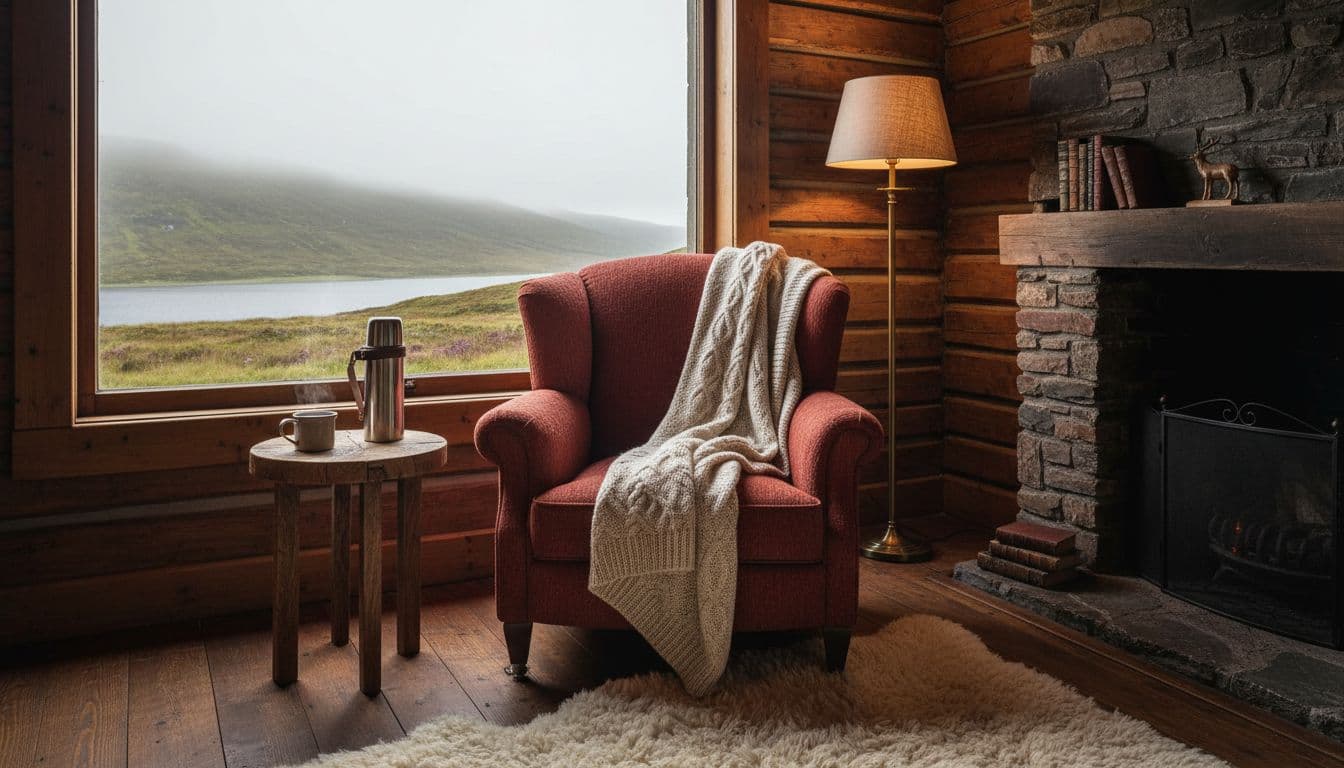
The best overnight stay isn’t the fanciest one. It’s the place that feels easy when you’re damp, cold, and carrying a bag full of wet kit. For a short break, proximity beats charm every time.
What to look for in a swim-friendly stay
Look for parking close to the door, a warm shower, and somewhere sensible to hang towels and suits. A simple check-in helps more than you’d think, especially if you’re arriving after an evening swim. Small hotels, guesthouses, cabins, lodges, and cottages can all work well.
If breakfast starts early, even better. That gives you the option of a morning swim without dragging the whole day behind it.
Match each loch with a nearby place to sleep
The pairing should be obvious. Loch Morlich works best with Aviemore or Glenmore. Loch Duntelchaig fits well with Inverness or a rural stay nearby. Loch Leven and Loch Linnhe pair naturally with Glencoe or Ballachulish, while Loch Lochy makes sense with Fort William or Spean Bridge.
The rule is simple: stay close enough that the swim still feels easy after the drive in. Fifteen or twenty minutes is better than an “amazing” place that adds another hour on the road.
Pack smart and swim safely in cold Scottish water
Highland water is cold, even when the air feels kind. That changes how you plan. Enter slowly, stay near shore, and keep the swim shorter than you think you need. Conditions are part of the route, not an afterthought.
The gear that makes a short trip easier
You don’t need a mountain of kit. Bring your swimsuit, or a wetsuit if you prefer one, warm layers for after, two towels, footwear for rocky or muddy banks, a dry bag, and a flask with something hot. That’s the core of it.
A changing robe or oversized coat helps too, but warmth matters more than style. The goal is to get warm fast, not look like you’ve packed for a catalog shoot.
How to judge whether a loch is a good choice that day
Start with the basics. Can you get in and out easily? Is the shore simple, or slippery and steep? Is the wind roughening the surface? If the water looks choppy and the bank feels awkward, move on.
The best swim spot for a weekend is often the simplest one.
A clean, easy entry near your car is better than a more remote loch with a tricky walk and no clear exit. Swim with someone if you can, stay close to shore, and check conditions before every dip.
Cold Water Swimming in the Scottish Highlands
The best Highland cold water swimming weekend is usually the simplest one. Pick one base, choose two accessible lochs, and leave enough space for warmth, food, and rest.
That’s what makes the trip feel doable, not daunting. When the plan is light and the overnight stay is close to the water, the Highlands stop feeling far away and start feeling like somewhere you’ll want to return to.


