
Ready to have your mind blown by the real history behind Outlander? If you’ve ever wondered just how much of the show is rooted in reality, you’re not alone. Let’s journey through the heather-covered hills of Scotland and dig into the swirling tales of clan battles and romance that both mesmerize us on screen and linger in real Scottish lore.
Keep reading because one jaw-dropping detail about Scotland’s past might just change how you view the show forever! Here, we’ll weave through history and fiction, separating what was penned by Diana Gabaldon from what is centuries-old truth.
This article may contain affiliate links. If you purchase through these links, I may earn a small commission at no cost to you. Thank you for your support!
A Glimpse into the Past: Real Scottish History
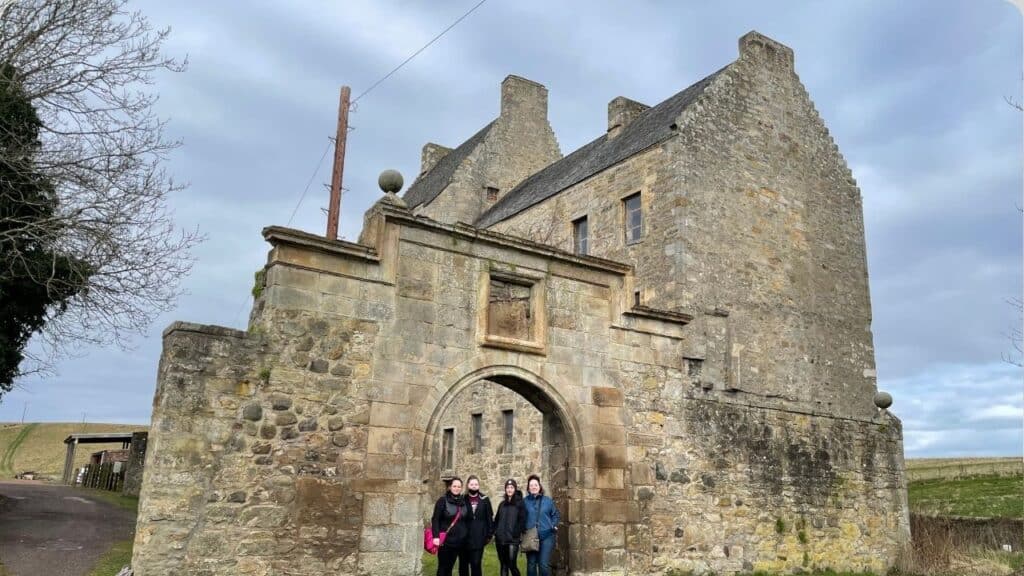
Think of Scotland, and its history often revolves around clans, tartan, and skirmishes. But real Scottish history is a tapestry far richer and more intricate than you’d expect. The warring period from which Outlander takes inspiration is the 18th-century Jacobite risings, a powerful movement that aimed to restore James II of England to the throne.
Among these stories is the fateful Battle of Culloden in 1746. It marks a visceral turning point for Scotland, filled with drama, loss, and evolution, a significant layer the show captures artistically but with fictional flair.
Real histories feed the soul of this series. Highland culture, filled with myths and legends, merges with Roman Catholic faith and clan-driven loyalty, often seen as romanticism on screen but held deeply as truth among Scots.
Interesting characters like Charles Edward Stuart, the Bonnie Prince, make their fair appearance, dripping with elegance and ambition. The show remains a touching tribute, with creative freedom to history’s formidable figures.
Scottish history is vast, fascinating, and it’s beautifully captured, spirit intact, even as Outlander dips its toes in the realm of creative storytelling.
Cultural Crossroads: Fact and Fiction in Outlander
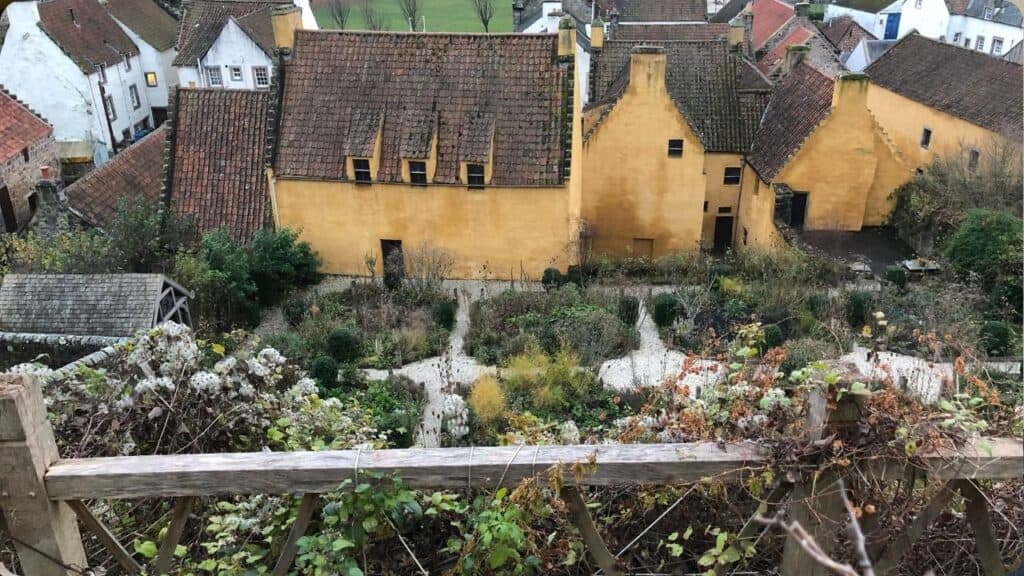
When it’s hard to distinguish between fact and fiction, you know you’re watching a gripping series! Outlander thrives off a historical backdrop, but where do myths set in?
Take Dougal MacKenzie, a character lifted from legend, yet a fictional assembly. While Dougal symbolizes fierce clan loyalty, his presence highlights both historical drama and narrative embellishment.
Then there’s the folklore, Scotland’s truth-tellers. From whispers of the stones’ time-traveling magic to the mystical sight, Outlander intertwines supernatural flavors. These echoes are rooted in superstitions that enriched Scottish livelihoods.
Where fiction waves its creative brush is in the meeting of some dynamic characters. Claire, heralded not just as a healer but as a 20th-century woman in a world far from modern conveniences.
The Characters: From the Scripts to Real Figures
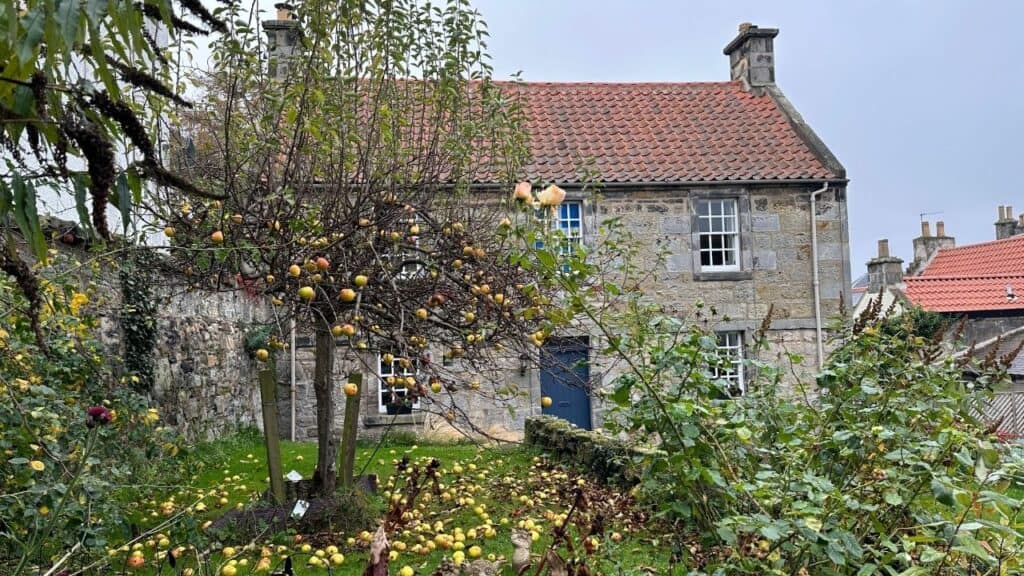
Characters can breathe life into a story. Ever wondered how many in Outlander find roots in real history?
Jamie Fraser, the tantalizing heartthrob whose charm steals scenes, derives loosely from historical Fergusons and Frasers. Others, like Black Jack Randall, capture cruelty and cunning of genuine figures. Sometimes truth is, indeed, stranger and gruesome than fiction.
Geillis Duncan…it may surprise you, but the real Geillis was a renowned Scottish witch. Though history paints her darker, it feeds an enigmatic persona. Female-led roles challenge norms, reflecting, to some extent, historical empowerment, but subtly dialed up for our era’s palate.
In essence, these characters wear their inspirations but transcend them into complex personalities enhanced for the screen.
Historic Locations: See Them, Live Them

Imagine traveling to places where fiction nearly walks off the screen. Outlander filming locations are indeed Scotland’s pride. The magical landscapes captured, from Castle Leoch to secluded Craigh na Dun, invite you to chase the mysteries and majesty of Scotland.
Such places are not mere film backdrops. They are living history, their essence captured by cameras and immortalized for fans worldwide. Take Doune Castle, a fitting substitute for the fictional Castle Leoch, offering timeless charm and vibrant echoes of the clans.
Glimpse Linlithgow Palace; its regal past is depicted in scenes of prestige and power plays, awakening your inner historian’s curiosity. The very heart of these locations speaks through time, translating monuments’ tales into a colorful visual narrative.
The Verdict: Liberty vs Authenticity
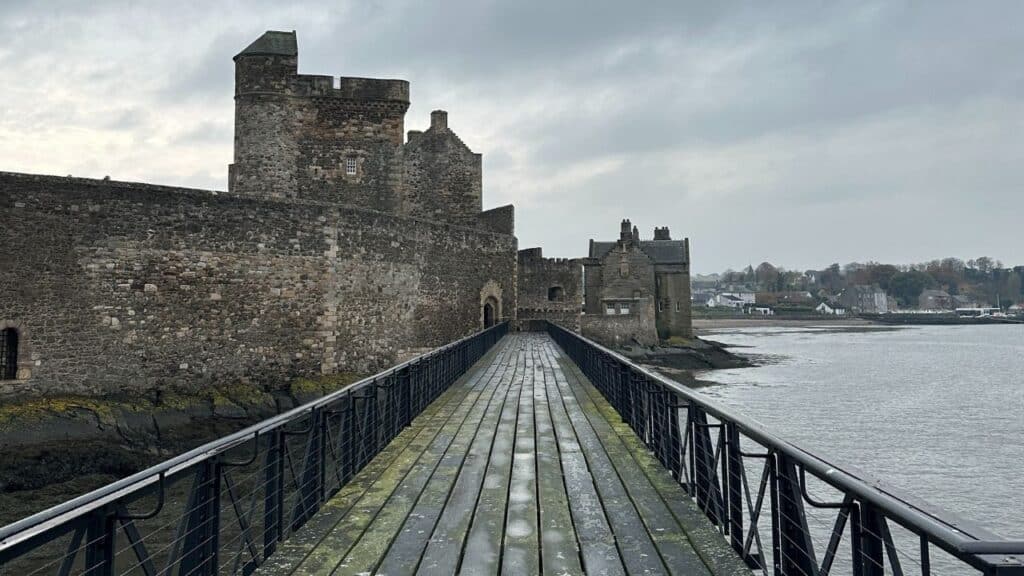
So, is Outlander a perfect reflection of history? Not exactly, but it comes pretty close in spirit. The show artfully blends real events with creative storytelling, capturing the heart of Scotland’s past while taking a few liberties for the sake of drama.
Yes, the details are often stretched. Characters are thrown into heightened situations, timelines get a little fuzzy, and dialogue gets a poetic polish. But that’s part of what makes it so addictive. It’s less about strict accuracy and more about emotional truth, and that’s where Outlander shines.
What’s beautiful is how the series inspires viewers to dig deeper. It may play with the facts, but it also opens the door to real history, real battles, real clans, and real places you can still explore today.
At the end of the day, Outlander is a love letter to Scotland. It’s equal parts imagination and homage and that’s what makes it unforgettable.


