Picture this: snow in one country, blazing sun in another, and yet the same date circled on calendars everywhere. Christmas pops up in so many places, but it never looks exactly the same.
Some people go to midnight church, some hit the beach, some cook all day, and some order takeout. Still, there is that same quiet feeling of togetherness, even when the details change.
So let’s grab a quick ticket around the globe and peek at how people eat, decorate, and celebrate in a few different corners of the world.
This article may contain affiliate links. If you purchase through these links, I may earn a small commission at no cost to you. Thank you for your support!
What Makes Christmas Traditions Around the World So Different?

Christmas traditions grow out of local history, religion, weather, and daily life. That mix gives each country its own flavor, like a huge holiday patchwork.
In some places, Christian roots shape the whole season. In others, Christmas feels more like a fun winter festival or a reason to meet friends and go out. Cold countries lean into candles, hot drinks, and long evenings at home. Warm countries spill into the streets, with late-night music and outdoor parties.
The cool part is that shared ideas, like gift giving or family meals, show up almost everywhere. They just wear different costumes from place to place, which you will see in the next sections.
Festive Food Traditions: How People Eat and Celebrate Christmas
Food is where Christmas gets loud and cozy at the same time. Kitchens heat up, plates fill, and stories start to flow.
Europe: From British Roast Dinners to Italian Feast of the Seven Fishes
In the United Kingdom, Christmas often smells like roast turkey or goose, stuffing, and gravy bubbling on the stove. The table is loaded with roast potatoes, bright vegetables, and little pigs in blankets. After that comes dessert, with rich Christmas pudding or sweet mince pies, plus custard or cream that somehow fits even when everyone is already full.
In parts of Italy, Christmas Eve feels different. Some families keep meat off the table that night and serve seafood instead. The idea behind the Feast of the Seven Fishes is simple, lots of fish dishes, shared slowly with the people you love. Platters of fried fish, pasta with clams, and shrimp keep coming, and the meal feels like a gentle build-up to Christmas Day.
Latin America: Sweet Treats and Midnight Meals
In Mexico and Central America, many families prepare tamales for Christmas. Corn dough, filled with meat, cheese, or peppers, is wrapped in leaves and steamed, often with many hands helping at once. In Brazil and Peru, people slice into soft, sweet breads like panettone, filled with dried fruit and shared with coffee or hot chocolate.
Christmas Eve meals often start late. People eat, talk, and play music, then stay up past midnight to open gifts or hug everyone in the room. It feels part party, part family ritual, the kind of night kids remember for years.
Unique Christmas Customs: From Japanese KFC to Filipino Lanterns

Beyond the food, some Christmas habits are so surprising that they stick in your head right away.
Japan: Christmas Fried Chicken and Bright City Lights
In Japan, Christmas is less about religion and more about fun and romance. Many people order special fried chicken meals, often from KFC, thanks to a famous ad campaign that caught on in the 1970s. Pre-orders sell out fast, so that bucket on the table is a real event.
Couples and friends stroll through city streets covered in light displays. Bakeries sell cute Christmas cakes, usually light sponge with strawberries and cream. The whole thing feels more like a mix of Valentine’s Day and a winter festival, with glowing streets and shared snacks.
Philippines and Beyond: Lanterns, Church Services, and Long Celebrations
In the Philippines, Christmas stretches for months. You start hearing carols in September, and the mood just keeps building. One of the most striking sights is the parol, a star-shaped lantern made from paper, capiz shells, or plastic. These lanterns hang from homes, shops, and churches, turning whole neighborhoods into fields of soft colored light.
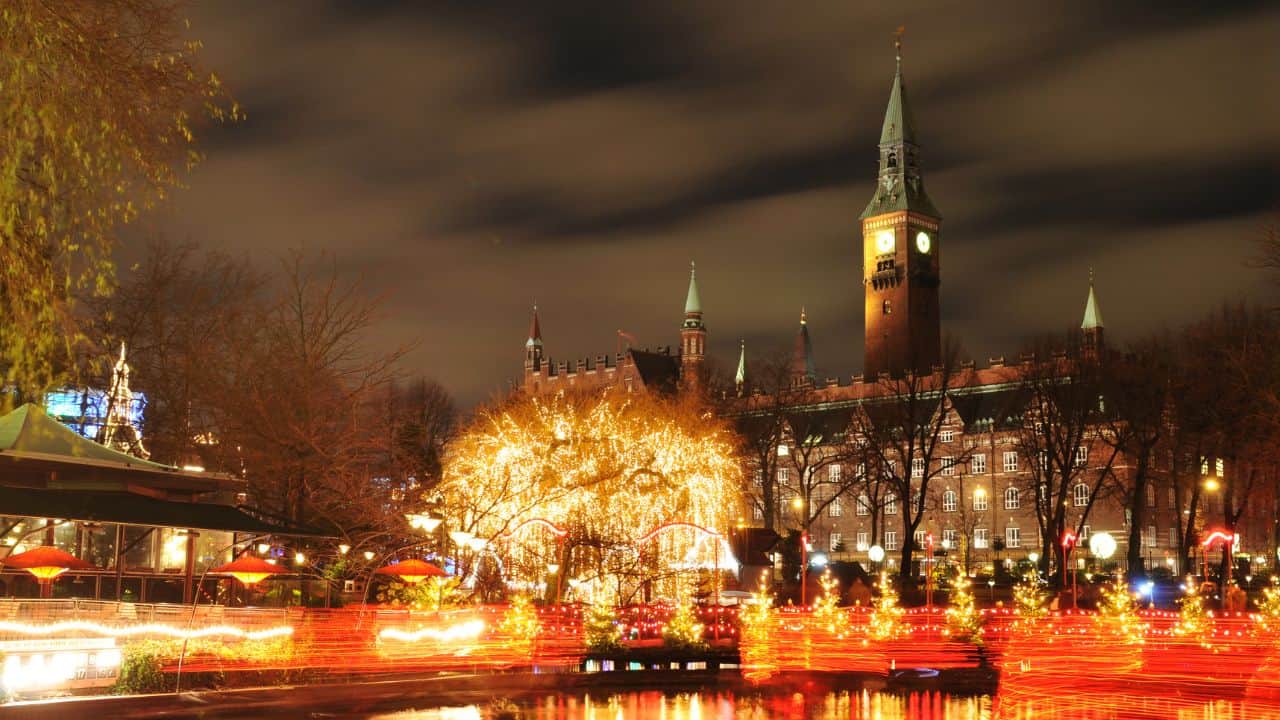
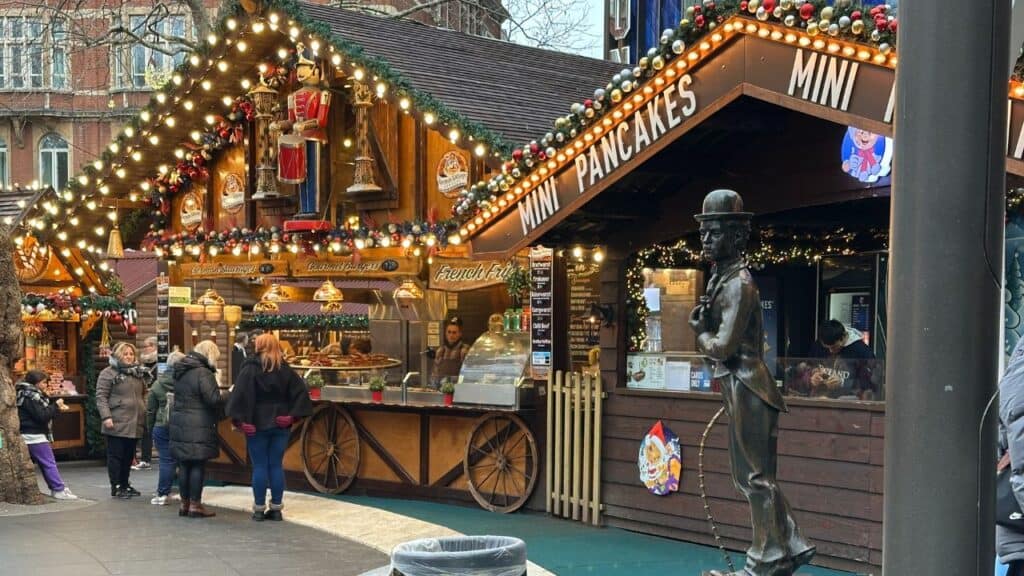
Many families attend Simbang Gabi, a series of early morning or evening church services before Christmas. Outside, vendors sell snacks, kids run around with friends, and the air feels bright and social. In other countries, like Sweden or Germany, people light Advent candles or visit Christmas markets, also using light, music, and shared space to warm up dark winter days.
One Holiday, Many Stories
So yes, Christmas looks wildly different when you jump from roast dinners to seafood feasts, from midnight tamales to fried chicken and lanterns. Yet the heart of it feels familiar, time with loved ones, special food, a bit of hope for the year ahead.
Take a second to look at your own traditions. Which parts feel most like “home” to you? Maybe this year you try a new dish, hang a homemade lantern, or start a tiny ritual borrowed from another country. The details can change, but that quiet, shared joy is something the whole world already agrees on.


