
Ever wondered if those sweeping Cornish cliffs and complicated love stories in Poldark actually represent real history? As someone who’s fallen down the Poldark rabbit hole more than once, I’ve often asked myself how much of what we see reflects women’s actual lives in 18th century Cornwall.
The surprising answer? More than you might think! While the BBC adaptation certainly adds dramatic flair (those perfectly timed storms and conveniently overheard conversations), the show actually presents a remarkably accurate picture of women’s limited options and the harsh economic realities of late 1700s Cornwall. Let’s explore what the series gets right about historical women’s experiences.
This article may contain affiliate links. If you purchase through these links, I may earn a small commission at no cost to you. Thank you for your support!
The Historical Authenticity of Poldark: Women’s Lives in 18th Century Cornwall
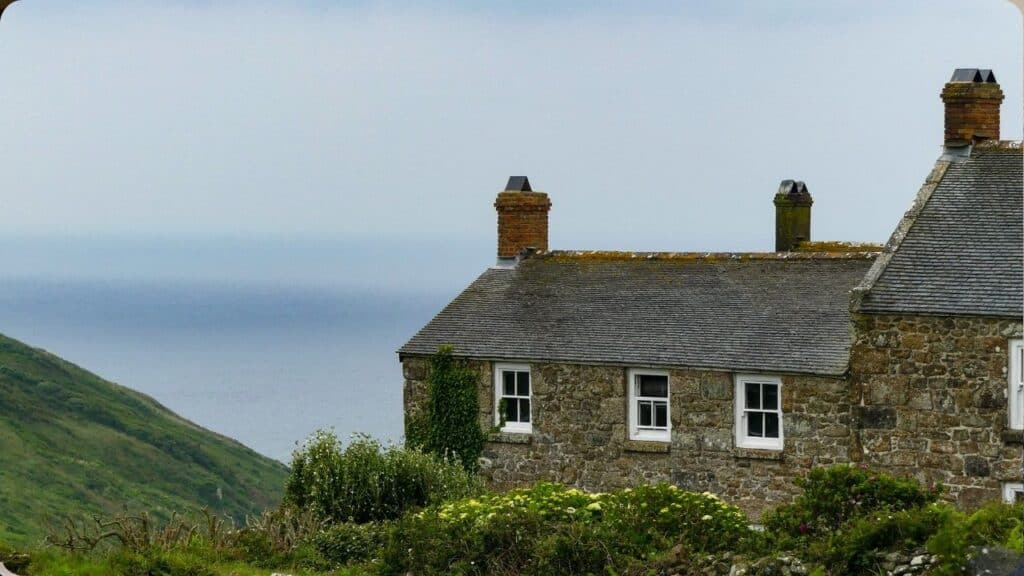
From Page to Screen: The Story Behind Poldark
Winston Graham began writing the Poldark novels back in 1945, with “Ross Poldark” marking the start of what would become a twelve-novel saga concluding with “Bella Poldark” in 2002. If you’ve fallen in love with the series through television, you’re not alone! The BBC has adapted these stories twice – first in the mid-1970s and more recently in the acclaimed 2015-2019 series that brought Cornwall’s rugged coastlines into our living rooms.
What makes Poldark so special? Beyond the romance and family drama, it brings to life the economic struggles, class conflicts, and social responsibilities of late 18th-century Cornwall. The show has actually helped shine a spotlight on Cornish history and culture, showing viewers a region with its own distinct challenges during a time of great change.
Cornwall in Crisis: Setting the Historical Scene

The story drops us into Cornwall, England from 1781 to 1801, just after the American Revolutionary War has ended. It’s not a happy homecoming for Ross Poldark! The region is facing serious economic decline, with mines closing, unemployment rising, and the traditional landed gentry losing ground to new money families like the Warleggans.
Those dramatic cliffs and windswept landscapes aren’t just pretty backdrops – they represent the harsh realities of life in this time and place. The show gives us a genuine feel for the hardships and occasional opportunities available to those living through this challenging period. Historians generally agree that Poldark gets the big picture right when it comes to Cornwall’s mining decline and the shifting social hierarchies of the time.
Limited Options: How the Show Portrays Women’s Status
Have you ever wondered what life was really like for women in the 1700s? In Poldark, we see the very real constraints women faced through characters like Elizabeth, Demelza, and Verity. Women’s identities were largely defined by marriage and property laws, with their wealth and status typically determined by the men in their lives.
Take Aunt Agatha, for example. As an unmarried older woman without property of her own, she shows us the limited options and often dismissive treatment faced by single women in this era. The show honestly portrays the range of female experiences – from Demelza’s unusual rise from kitchen maid to gentry, to Elizabeth’s calculated marriage choices made for survival rather than love.
True to Life? The Major Female Characters’ Journeys
Elizabeth’s story rings historically true. Her first marriage to Francis and later to George Warleggan shows how women often had to prioritize financial security over personal feelings. Many women in the 18th century made similar choices out of necessity.
Verity’s struggle to find happiness as an older unmarried woman reflects genuine historical anxieties about “marrying well” and the social consequences of defying family expectations.
And what about Demelza’s remarkable rise? While unusual, her journey from servant to landowner’s wife wasn’t historically impossible. Such marriages did occasionally happen, though they were rare enough to cause the kind of gossip and social disruption we see in the series.
Daily Life and Social Customs
The show does a good job showing 18th-century marriage practices, the strict household hierarchies, and the complex relationships between servants and their employers. We also get glimpses of the realities of widowhood, childbearing dangers, and women’s health issues through various storylines.
Dressed for the Part: Costume Authenticity
I love how the costume designers paid attention to historical accuracy while making practical adjustments for modern filming. The distinct differences between servant clothing and gentry attire help tell the story of class division visually. While some concessions were made for today’s viewers (slightly looser corsets, anyone?), the overall look maintains period authenticity.
Working Women in Poldark’s World
The series accurately shows women’s economic participation primarily through domestic labor, both unpaid work among the upper classes and waged positions for poorer women. Public involvement in mines or financial matters was indeed limited for women during this period, making the show’s portrayal fairly accurate.
The Bottom Line on Historical Truth
With input from historical advisors like Hannah Greig, Poldark manages to capture the essence of 18th-century Cornwall quite well, especially regarding economic conditions and social structures affecting women. While some elements are dramatized for storytelling purposes, the series presents a largely authentic picture of the period’s realities for women of different social classes.
So the next time you watch an episode, you can appreciate not just the drama and romance, but also the care taken to transport us back to a time when women’s lives were shaped by very different rules and expectations than our own.
The Real Legacy of Poldark’s Women

What makes Poldark special isn’t just the romance or Ross’s brooding stares across the Cornish landscape. It’s the authentic way it captures how women navigated an era where their choices were severely limited by law and custom. From Elizabeth’s practical marriages to Demelza’s extraordinary social climb, these stories reflect genuine historical possibilities.
So the next time you settle in for an episode, look beyond the gorgeous costumes and sweeping scenery. You’re getting a surprisingly accurate glimpse into women’s lives during a pivotal moment in British history. And isn’t that what great historical drama should do? Transport us while teaching us something real about the past?


