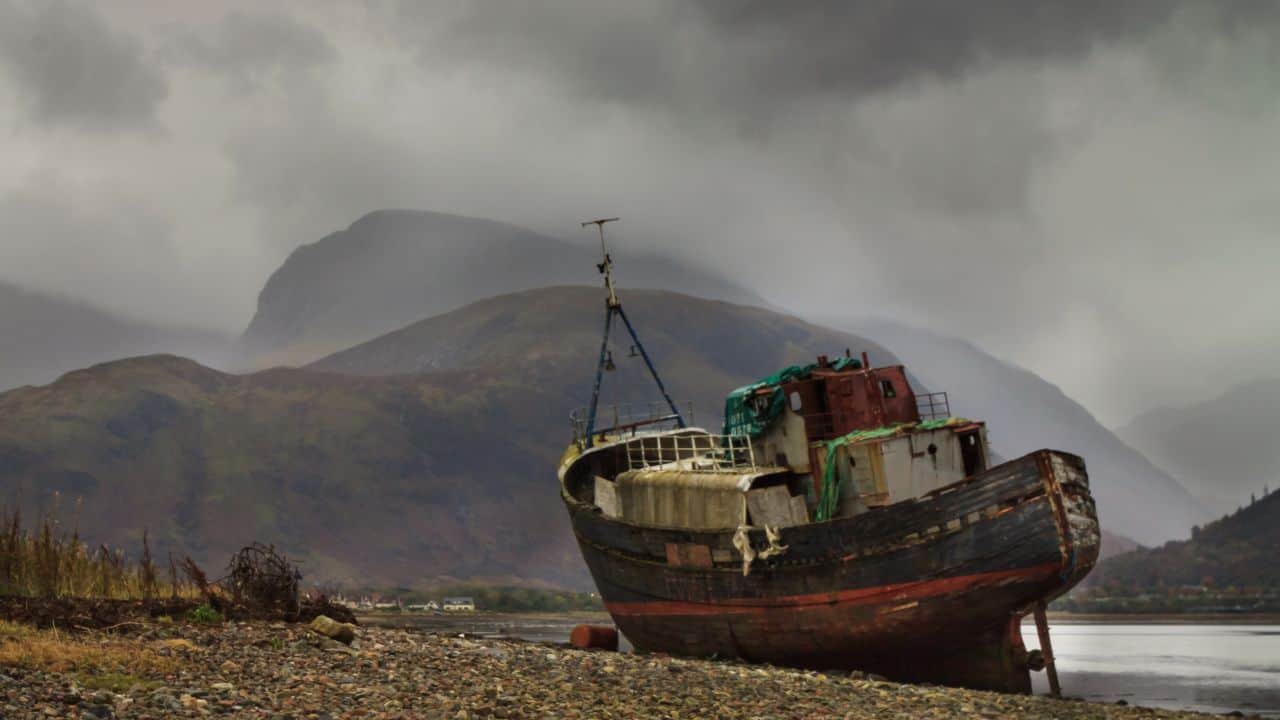
Ever wondered how fictional places can feel so real that you find yourself searching for them on a map? Netflix’s “Dept. Q” series introduces us to Mhor Island, a masterfully crafted fictional setting that has viewers wondering if they could book their next Scottish vacation there.
While you won’t find Mhor Island on any real map, this mysterious location has become a character in its own right, weaving its way into the dark and atmospheric world of Scottish crime drama. It’s a place where secrets hide in the fog and every ferry crossing builds tension that keeps viewers on the edge of their seats.
This article may contain affiliate links. If you purchase through these links, I may earn a small commission at no cost to you. Thank you for your support!
Mhor Island: A Fictional Setting in Netflix’s Dept. Q Series
Creating the Perfect Crime Scene
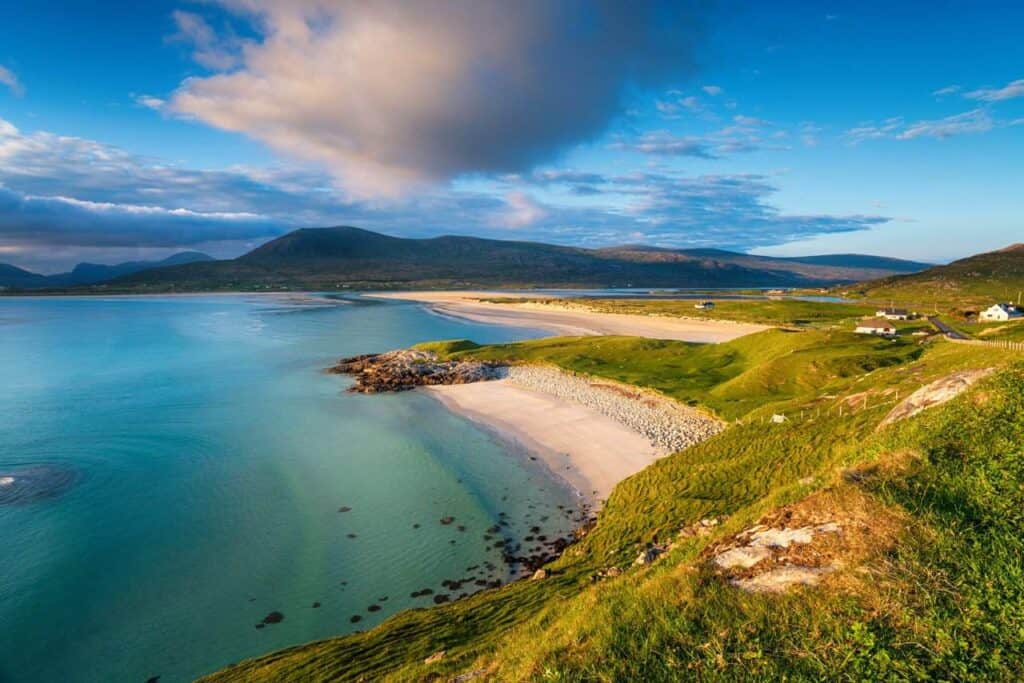
In Netflix’s Scottish crime drama “Dept. Q,” Mhor Island stands as a made-up location that pulls viewers into its mysterious world. While you won’t find it on any real map, this remote island setting adds something special to the show’s dark, moody feel. It’s like other fictional places we’ve seen in crime shows, they’re created specifically to make the story more gripping.
A Scottish Mystery Unfolds
The show brings us to Edinburgh, Scotland, where we meet a talented cast including Kelly Macdonald and Mark Bonnar. But it’s when the story takes us to Mhor Island that things get really interesting. The island becomes central to the plot, especially when we learn about Merritt Lingard’s disappearance after a ferry trip.
Getting to Mhor Island
The journey to reach Mhor Island is filmed at Gills Bay, near John o’Groats in northern Scotland. Each time characters take the ferry crossing, you can feel the tension building. As the mainland disappears behind them, they’re heading into unknown territory where anything could happen.
A Place of Secrets
The island isn’t just a backdrop, it’s almost like another character in the story. Its isolation makes it perfect for hiding secrets, and that’s exactly what happens in the case of Merritt’s disappearance. The fog-covered shores and wild landscape create an atmosphere where crime thriller writers thrive.
Two Worlds Apart
When you look at Mhor Island compared to the busy streets of Edinburgh, where the police headquarters is based, you see two very different sides of Scotland. The city represents order and structure, while the island feels wild and unpredictable. This contrast makes the story more compelling.
Real Places, Fictional Stories
While Mhor Island might not exist, it takes inspiration from real Scottish islands. The production team picked actual locations that capture authentic Scottish maritime scenes, making the fictional island feel completely real. When you watch the ferry scenes filmed at Gills Bay, you’d swear Mhor Island was just around the corner.
Connected Stories
The island isn’t alone in the show’s fictional world – it connects with other made-up places like Egley House, where Merritt’s brother William lives. These locations work together to tell a bigger story about secrets and isolation in Scottish society.
Building Tension Through Location
Mhor Island’s remote setting naturally creates problems for the investigators. Poor weather can cut off access, phone signals might fail, and help could be hours away. These challenges make every scene more intense, as characters find themselves truly on their own.
The island setting works perfectly for building suspense. When detectives are trying to solve Merritt’s disappearance, they’re not just fighting against time, they’re also battling the elements and the island’s isolated nature. Every visit to Mhor Island brings new clues and complications, keeping viewers glued to their screens.
The Lasting Impact of Mhor Island
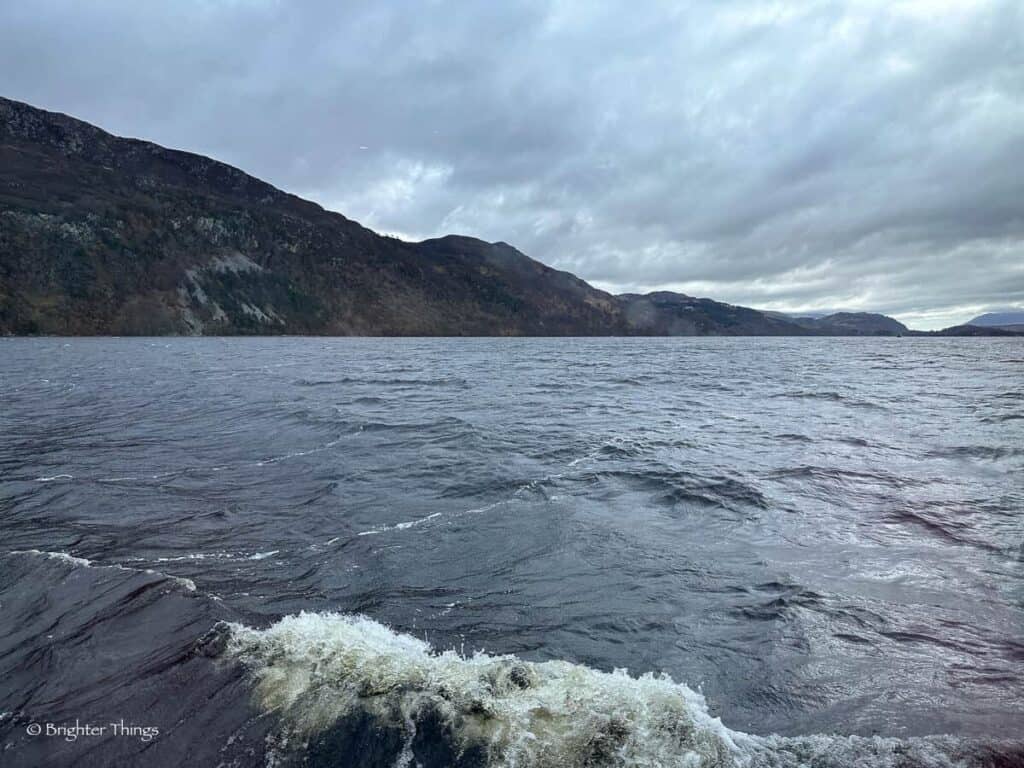
Just as fictional places like Hogwarts or Sherlock Holmes’ Baker Street have become part of our cultural landscape, Mhor Island has earned its place in the pantheon of memorable TV locations. It’s a testament to the power of storytelling when a place that exists only in our imagination can feel as real as any dot on the map.
Speaking of memorable settings, Mhor Island reminds us why location matters so much in storytelling. It’s not just about where things happen – it’s about how a place can shape the story, influence the characters, and keep us coming back for more. While we can’t visit Mhor Island ourselves, its impact on viewers’ imaginations is very real indeed.