Ever wondered what it feels like to walk through 5,000 years of history while wildflowers bloom at your feet? England’s ancient landscapes come alive in spring, when morning mist rolls across medieval ruins and soft sunlight streams through Gothic windows.
These historical treasures tell tales of kings and commoners, saints and soldiers. And there’s something magical about visiting these historical sites in England during spring – fewer crowds, perfect photography light, and gardens bursting with color make this the ideal season to explore the country’s remarkable past.
This article may contain affiliate links. If you purchase through these links, I may earn a small commission at no cost to you. Thank you for your support!
Stonehenge, Wiltshire

Standing proud on Salisbury Plain since 3000 BC, Stonehenge’s massive stone circle still leaves visitors in awe including yours truly. Each sarsen stone reaches 13 feet high and weighs a whopping 25 tons – that’s as heavy as two double-decker buses!
You’ll love watching the sunrise here – it’s when the stones cast their longest shadows and the light is gorgeous across the ancient rocks. And if you’re looking for something extra special, book a Stone Circle Experience for up-close access outside regular hours.
The site’s perfectly aligned with the summer solstice sunrise and winter solstice sunset, making it a wonderful spot for spring visits when the weather’s mild and the crowds are smaller.
Avebury Stone Circle, Wiltshire
Want to get closer to England’s ancient past? Head to Avebury’s stone circle, just 25 miles north of Stonehenge. Here, you can actually walk among the massive stones and feel their ancient presence up close – no barriers between you and history!
The stone circle stretches across a charming village setting, making it perfect for springtime wandering. And the best part? It’s completely free to visit. Just grab your walking shoes and your camera.
While you’re there, take a short trip to the nearby West Kennet Long Barrow and Silbury Hill. These prehistoric sites add even more magic to your visit.
Hadrian’s Wall, Northumberland
Want to walk in the footsteps of Roman soldiers? Stretching 73 miles from Wallsend to Bowness-on-Solway, Hadrian’s Wall stands as a testament to Roman power. Built around 122 AD, it’s still an impressive sight today!
The best-kept sections wind through Northumberland National Park, where spring brings carpets of wildflowers and perfect hiking weather. You can follow the Hadrian’s Wall Path National Trail, stopping at ancient forts and museums along the way.
Pack your walking boots and camera – the sweeping views across the northern countryside are simply stunning. And with visitor centers dotted along the route, you’ll always have a warm place to rest and grab a cup of tea.
Bath Roman Baths, Somerset

Take a trip back to Roman Britain at Bath’s ancient bathing complex! The steaming waters still bubble up from natural hot springs, just as they did when Romans built this amazing site.
You’ll love walking through the Great Bath, where steam rises off the water on cool spring mornings. The museum brings the past to life with people in Roman dress and real artifacts from nearly 2,000 years ago.
Want to make your visit extra special? After touring the ancient baths, head over to Thermae Bath Spa next door. You can soak in the same mineral-rich waters the Romans did, but with modern comforts!
Tower of London, London

Right on the Thames sits one of London’s most fascinating spots – the Tower of London! Built in 1066 during the Norman Conquest, this mighty fortress has worn many hats: royal home, treasury, and yes, even a prison.
You’ll want to catch the famous Yeoman Warders (better known as Beefeaters) as they share tales of the Tower’s past. And don’t miss the Crown Jewels – they’re absolutely stunning.
Spring brings perfect weather for walking the castle walls, where you’ll get amazing views of Tower Bridge and the city. Make sure to stop by the White Tower – it’s the oldest part of the castle and holds centuries of royal armor.
Durham Cathedral, County Durham
Looking to step back in time? Durham Cathedral stands proudly as one of England’s most beautiful Norman buildings. Since 1093, its towers have watched over the city, and you can climb them for fantastic views across Durham!
The cathedral holds some pretty special residents – it’s the final resting place of St. Cuthbert and the Venerable Bede. And if those grand halls look familiar, you might have spotted them in the Harry Potter films as Hogwarts corridors.
Best of all? Entry is free! Though if you want to climb the tower (and trust me, you do), there’s a small fee.
Tintagel Castle, Cornwall
Perched on Cornwall’s rugged coast, this legendary castle weaves together history and legend in a spectacular setting. The medieval ruins stretch across both mainland and island, now joined by a beautiful footbridge that lets you cross just as the ancient inhabitants did.
This spring, take in the castle’s dramatic clifftop position while wildflowers dot the coastal paths. As you walk through the ruins, you’ll hear tales of King Arthur – legend says this was his birthplace!
The site’s exhibition brings the castle’s rich past to life. You’ll find artifacts from the Dark Ages and stories of medieval Cornwall’s traders. And those views across the Atlantic? They’re absolutely breathtaking when spring sunshine breaks through the clouds!
Warwick Castle, Warwickshire
Dating back to 1068, Warwick Castle brings history to life with its towers, battlements, and sprawling grounds!
Spring’s perfect for watching the castle’s famous trebuchet fling projectiles through the air. You’ll see knights clash in exciting tournaments on the field, while costumed characters share stories of castle life through the ages.
The castle grounds come alive with spring flowers, making it ideal for photos. And if you’re feeling brave, head down to the castle dungeons – they’ll give you chills even on a warm spring day. Want to make your visit extra special? Stay overnight in one of the themed lodges right on the castle grounds!
Fountains Abbey, North Yorkshire
Standing among Yorkshire’s rolling hills, historic Cistercian monastery whispers stories from its stone walls. Built in 1132, it’s one of England’s best-kept Cistercian monasteries, with soaring arches reaching toward the sky.
Spring paints the Studley Royal water gardens in brilliant colors, while medieval deer still roam the parkland. The National Trust visitor center helps you picture life as it was when monks walked these halls.
You’ll want your camera ready – the morning light catches the stone ruins just right, creating perfect shots. And when you’re done walking the grounds, stop by the exhibition to see how the monks lived and worked in this peaceful valley.
Blenheim Palace, Oxfordshire
Spring brings fresh beauty to this monumental country house, where Winston Churchill took his first breaths. The sun catches the honey-colored stone as you walk up to this stunning building – it’s no wonder it’s a UNESCO World Heritage Site!
You’ll fall in love with the gardens. In spring, thousands of tulips paint the formal gardens in bright colors, while Capability Brown’s sweeping parkland shows off its first green shoots. The palace’s state rooms hold priceless paintings and furniture that tell stories of the Dukes of Marlborough.
Want a perfect spring day out? Start early to catch the morning light on the palace facade. The little town of Woodstock sits right at the gates, perfect for lunch after your visit. And if you’re coming from London, regular buses run from Oxford – it couldn’t be easier!
Windsor Castle, Berkshire

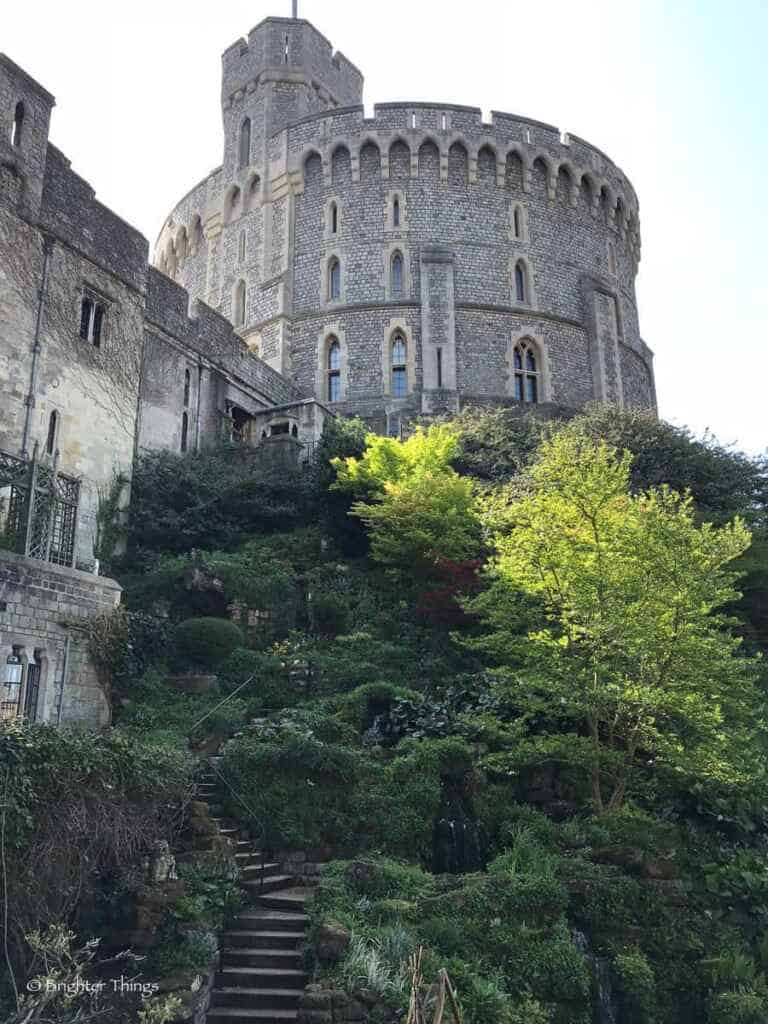
What’s it like to visit the world’s oldest inhabited castle? Sitting proudly above the Thames, Windsor Castle has watched over the town since William the Conqueror’s time. As the British monarch’s official home, it’s filled with centuries of royal stories!
Spring brings wonderful color to the castle gardens, and you might catch the Changing of the Guard ceremony in the morning sunshine. Inside, the State Apartments shine with incredible art collections, while St George’s Chapel holds the final resting places of many British kings and queens.
Want a perfect photo? Head to the Long Walk – it’s a tree-lined avenue stretching for three miles from the castle gates. Time your visit for early morning when the light’s soft and the crowds are smaller. And with trains running regularly from London, you can be here in under an hour!
Canterbury Cathedral, Kent

Standing at the heart of English Christianity since 597 AD, Canterbury Cathedral’s medieval architecture pulls you back through time. After a fire in 1174, builders raised these Gothic walls that still reach toward heaven today!
You’ll see the spot where Archbishop Thomas Becket was murdered in 1170 – an event that turned Canterbury into a major pilgrimage site. The medieval stained glass windows tell biblical stories in vivid colors, best caught in spring’s clear morning light.
Take time to wander the peaceful cloisters, where monks once walked. In spring, the cathedral gardens burst with early blooms, making perfect photos against the ancient stonework. And with guided tours available throughout the day, you’ll hear stories that bring these old stones to life!
York Minster, York
Step into Northern Europe’s largest Gothic cathedral! Built between 1220 and 1472, York Minster fills visitors with wonder at its sheer size and beauty.
The world’s biggest collection of medieval stained glass lives here – you’ll want to catch the morning sun streaming through these amazing windows.
Climb the tower for the best views over York’s ancient streets. Below ground, the Undercroft museum tells tales of Romans and Vikings who lived here long ago. Come for Evensong to hear beautiful choral music echo through this grand space – it’s an unforgettable way to end your visit!
Don’t forget your camera – the intricate stone carvings and soaring arches make perfect photos. And if you’re keen to learn more, the friendly guides share fascinating stories about this magnificent building’s past.
Ironbridge Gorge, Shropshire
Step back to where it all started! The world’s first iron bridge still stands proudly over the River Severn, just as it did in 1779. This gorgeous spot tells the story of how our modern world began.
Spring brings perfect weather for wandering through the 10 museums that make up this special place. You’ll love stepping into Victorian life at Blists Hill, where costumed folks show you what daily life was like back then.
Make sure to visit the Coalbrookdale Museum of Iron and Coalport China Museum while you’re here. Each one adds its own chapter to the story of how this quiet valley changed the world. And with fewer crowds in spring, you’ll have plenty of time to soak in the history at your own pace!
Sutton Hoo, Suffolk
Hidden away in the rolling Suffolk countryside, this amazing Anglo-Saxon site has been telling its secrets since 1939. The star of the show? A 90-foot ship burial packed with treasures fit for a king!
You’ll love walking the burial mounds in spring when wildflowers dot the landscape. The exhibition hall brings the Anglo-Saxon world to life with both original finds and careful replicas that help you picture life 1,400 years ago.
Come early to catch the morning mist rolling across the mounds. The National Trust visitor center offers excellent guides and maps, plus there’s a cozy café for warming up after your walk through history!
Plan Your Historical Sites in England Trip This Spring
These remarkable sites offer a unique window into England’s rich past. Spring brings them to life with perfect visiting conditions – mild temperatures, beautiful natural light, and gardens in full bloom.
Ready to start your historical adventure? Remember to check opening times and book special experiences in advance. Many sites offer early morning tours when the light’s just right for photos and you’ll have these ancient places almost to yourself.