
Beyond the familiar staples of Irish stew and soda bread lies a treasure trove of traditional foods that are deeply rooted in Ireland’s culture and history. These dishes tell the story of Ireland’s agricultural past, its resourceful use of simple ingredients, and its enduring love for comfort food.
We’re going to explore 10 Irish foods that you absolutely need to try – foods that you might not have encountered before, but that will give you a deeper appreciation for the diversity and creativity of Irish cooking.
Boxty
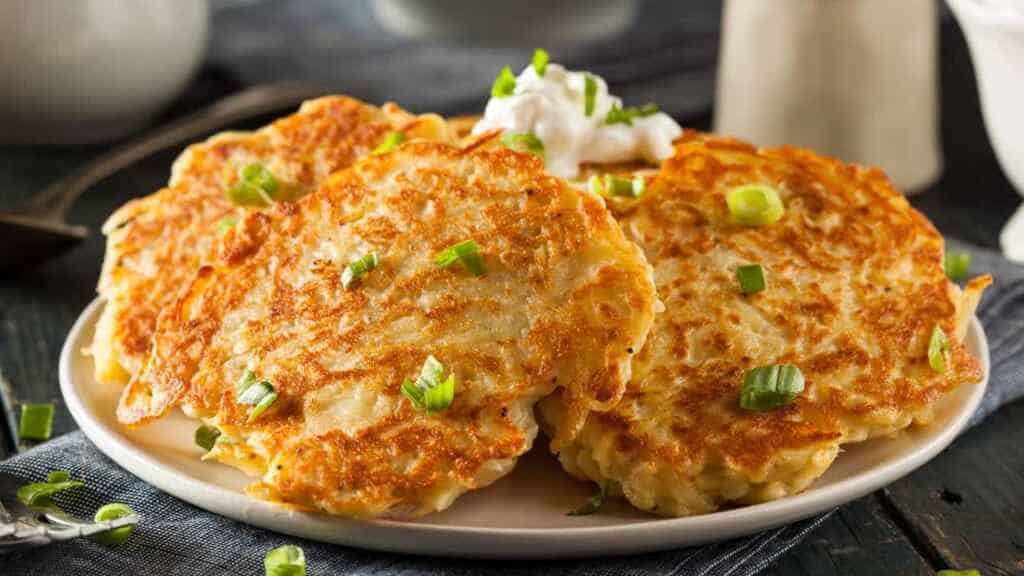
Boxty is a potato pancake, made from a mixture of grated raw potatoes, mashed potatoes, and flour, then fried until golden brown. The texture is slightly crispy on the outside with a soft, fluffy center, making it a deliciously satisfying dish.
The dish dates back to the 18th century and it’s often enjoyed as part of a hearty breakfast, served with bacon and eggs, or as a side dish with stews. My favorite boxty comes from Gallagher’s Boxty House in Dublin.
Coddle
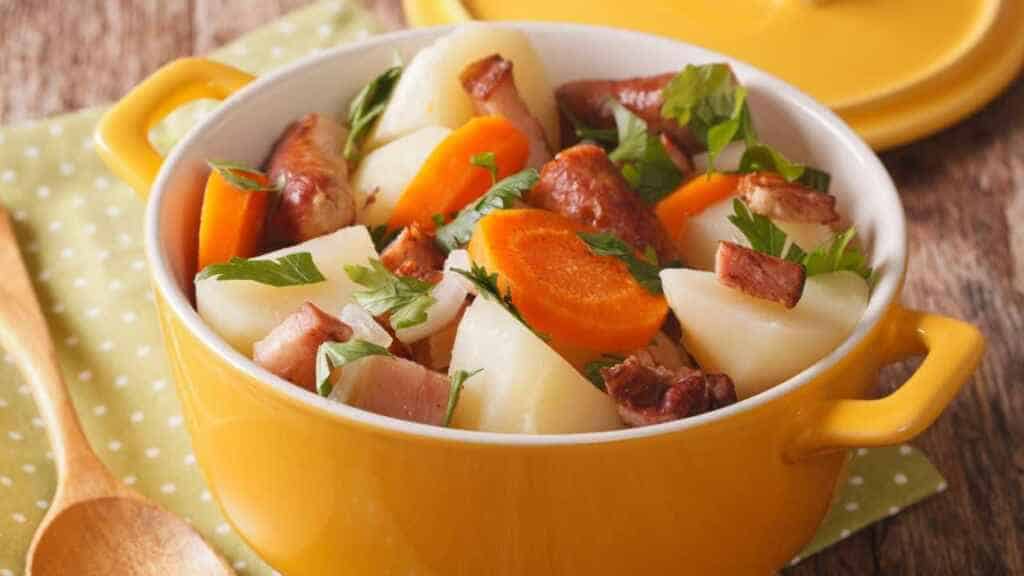
Coddle is a comforting Dublin dish made from layers of sausages, bacon, onions, and potatoes, all slowly stewed together in a broth. This dish is particularly associated with Dublin and is said to have been a favorite of Irish writer Jonathan Swift.
Coddle was traditionally made at the end of the week, using up any leftover sausages and bacon, making it a frugal yet delicious meal.
Barmbrack
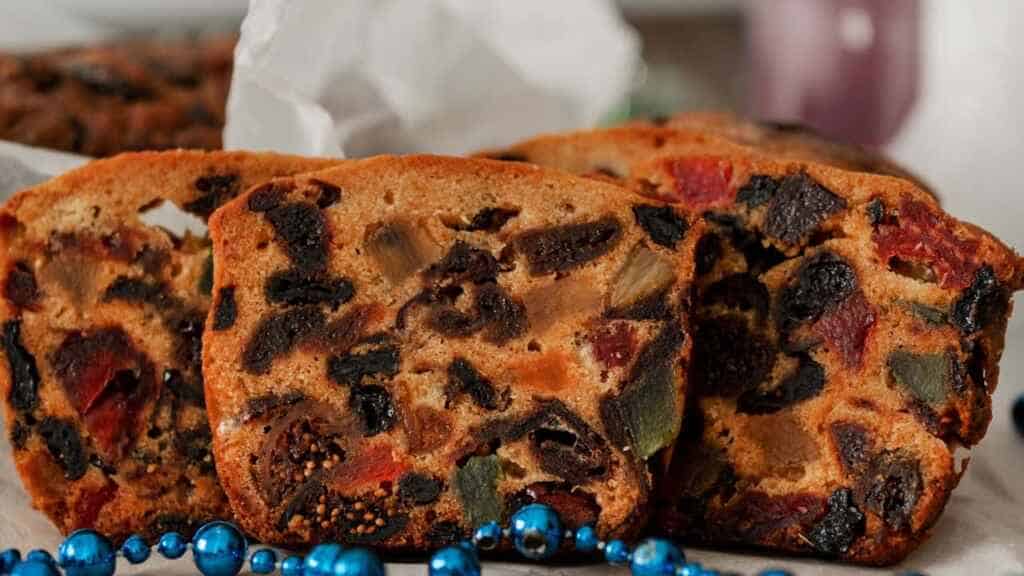
Barmbrack is a traditional Irish fruit bread made with raisins and sultanas, often soaked in tea to add moisture and flavor. The bread is slightly sweet and spiced, making it a popular treat, especially during Halloween when it’s customary to bake charms into the loaf.
Barmbrack is widely available in Irish bakeries, particularly in the autumn, and is typically enjoyed with a spread of butter and a cup of tea.
Drisheen
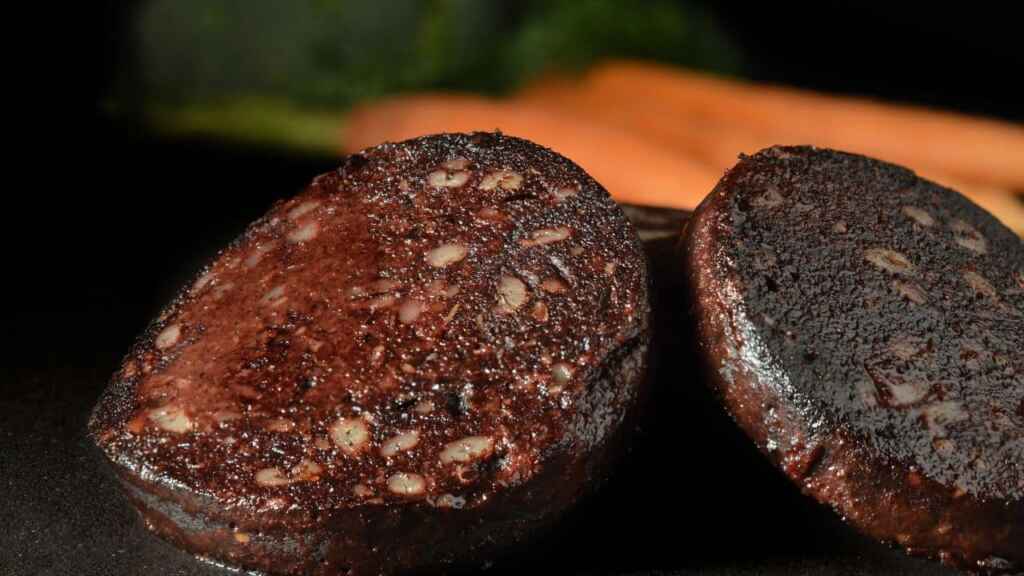
Drisheen is a type of blood pudding traditionally made from sheep’s blood, milk, and seasoning, and then boiled and set into a sausage shape. It has a unique, rich flavor that might be surprising to those unfamiliar with blood-based dishes.
Drisheen is particularly associated with Cork, where it has been a local delicacy.
Colcannon
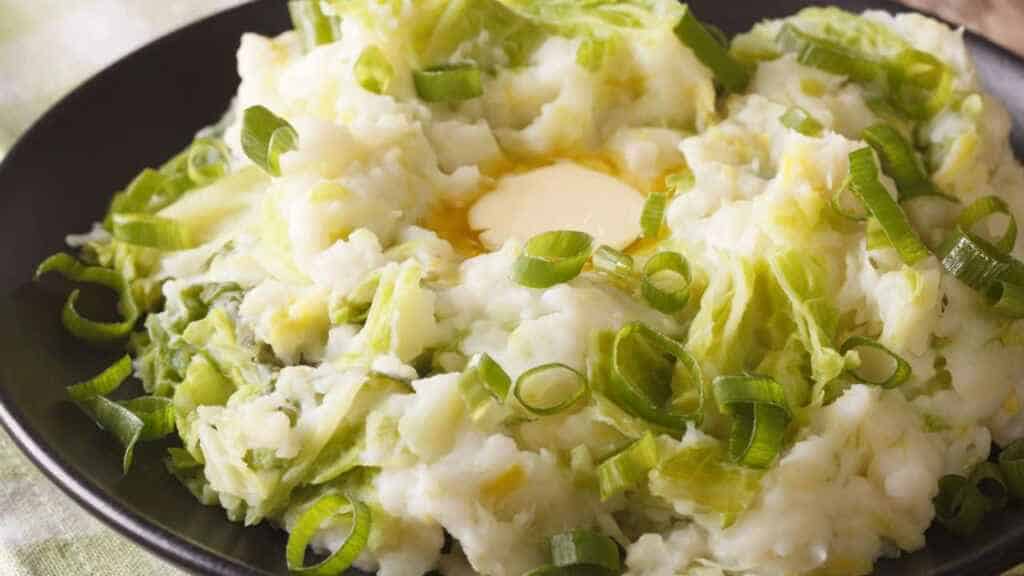
Colcannon is a classic Irish dish made from mashed potatoes mixed with kale or cabbage, butter, and cream. It’s a simple yet deeply satisfying comfort food, often enjoyed as a side dish with meats.
This dish has been a staple in Irish homes for centuries, especially around Halloween when it was traditional to hide a ring in it. Whoever found the ring was going to be the next one to be married. Chew carefully.
Crubeens
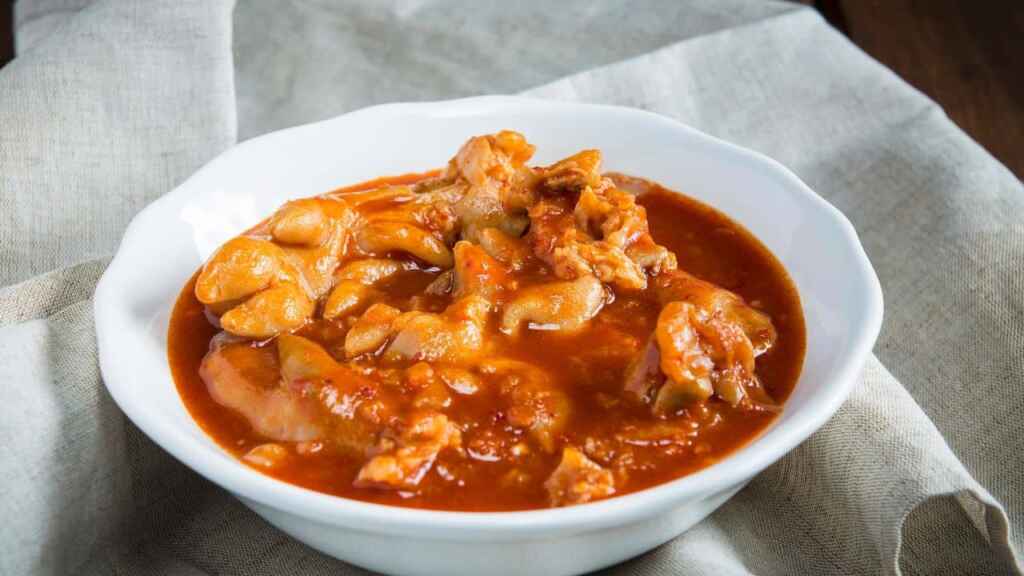
Crubeens are boiled pigs’ feet, often breaded and fried after boiling to add a crispy texture. This dish is considered a delicacy in many parts of Ireland and is typically enjoyed as a snack or part of a larger meal.
Crubeens are particularly popular in the southern counties of Ireland, such as Cork and Kerry, where they are often served in pubs alongside a pint of beer.
Blaa
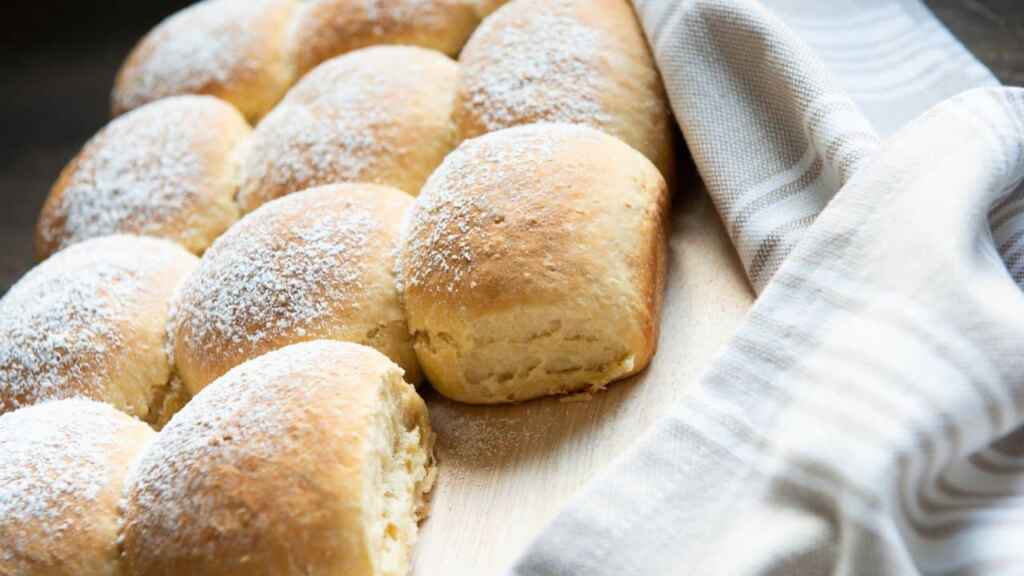
Don’t let the name fool you, this little roll is anything but “blah”. Blaa is a soft, white bread roll that originated in Waterford, a city in southeastern Ireland. These rolls have a light, fluffy texture and a slightly floury top, making them perfect for sandwiches or as an accompaniment to soups and stews.
The Waterford Blaa has been awarded Protected Geographical Indication (PGI) status, meaning only rolls made in the traditional way within the Waterford area can be called Blaa.
Goody
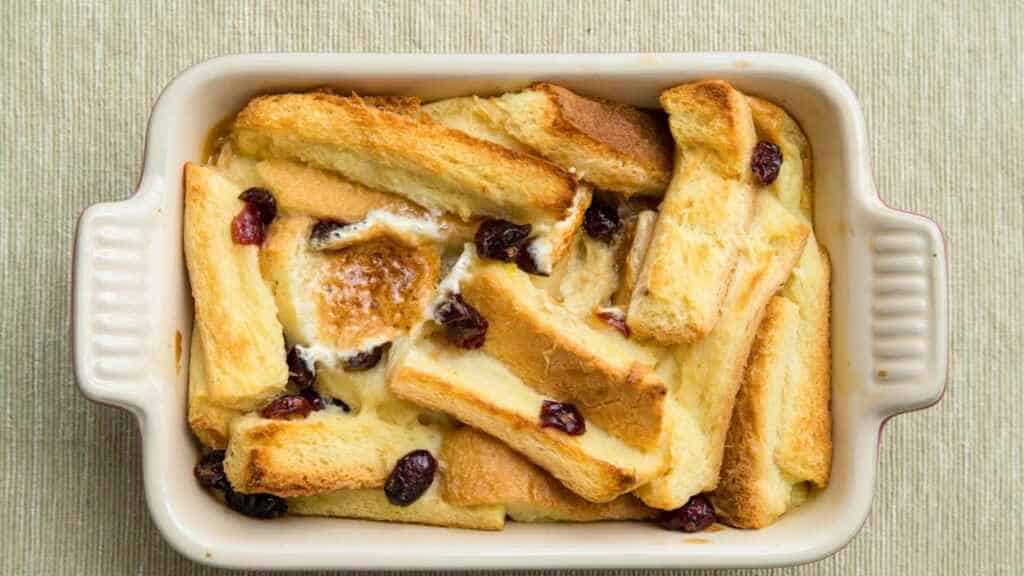
Goody is a traditional Irish dessert made from stale bread soaked in hot milk, sugar, and spices, often flavored with vanilla or cocoa. Goody was a common treat in Ireland during the early 20th century, particularly in rural areas where it was an economical way to use up leftover bread.
While it’s less commonly eaten today, Goody is still made in some parts of Ireland, particularly around religious holidays like St. John’s Eve.
Yellowman
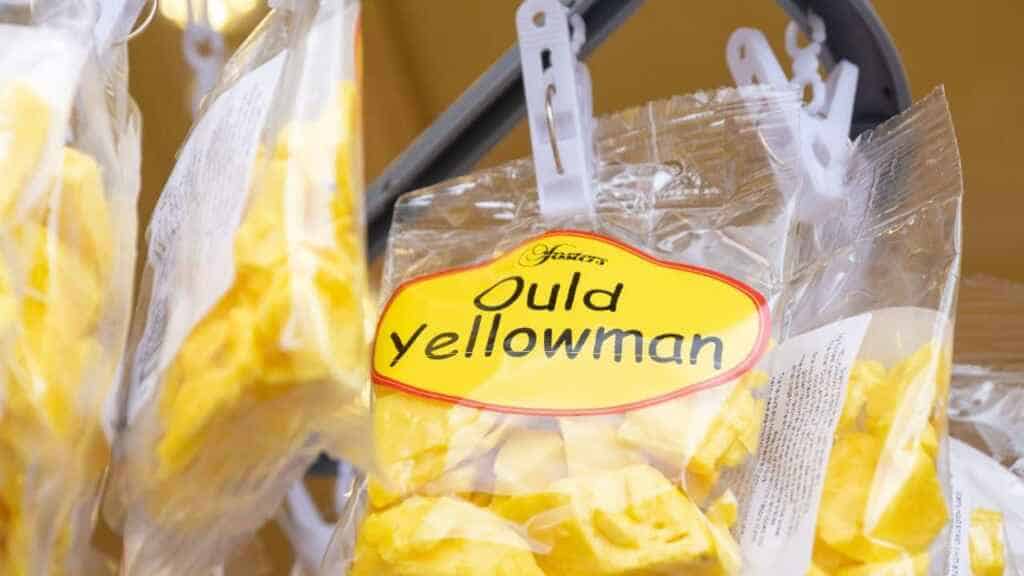
Yellowman is a traditional Irish toffee, similar to honeycomb, with a crunchy, airy texture and a golden color. It’s a popular treat at fairs and festivals, particularly in Northern Ireland.
The toffee is typically broken into chunks and sold in paper bags, offering a nostalgic taste of childhood for many Irish people.
Spiced Beef
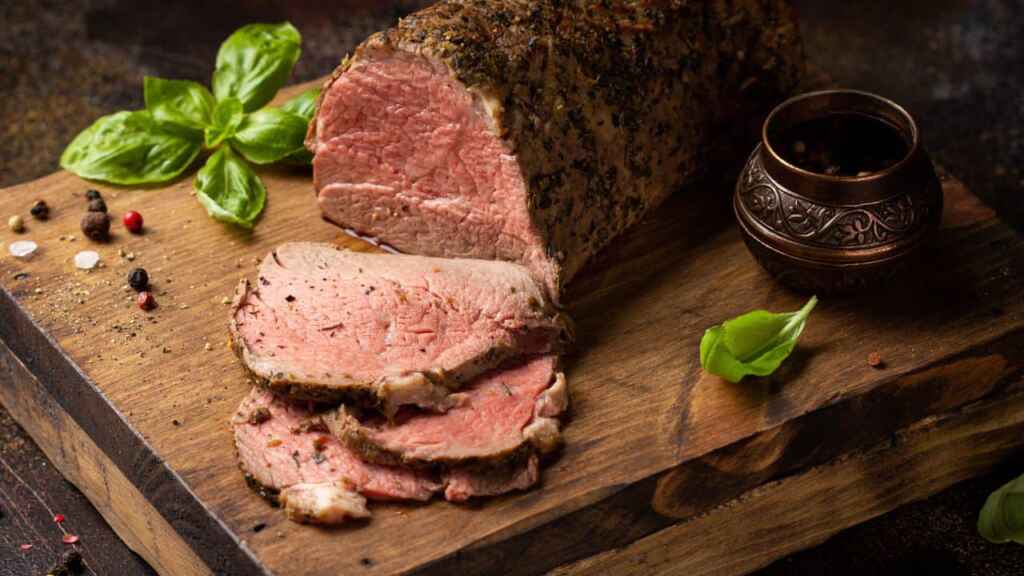
Spiced Beef is a traditional Irish dish made by curing a cut of beef with a mixture of spices such as cloves, allspice, black pepper, and sometimes brown sugar, then slow-cooking or boiling the meat. The result is a tender, flavorful beef that’s often served cold, sliced thinly, and typically enjoyed during the Christmas season.
This dish has deep roots in Cork, where it’s been a festive staple for centuries.


