Have you ever stood among thousands of spectators, feeling the rumble of drums in your chest while bagpipes echo against an ancient castle? I still get goosebumps thinking about my first time at the Edinburgh Tattoo. It’s not just a show, it’s a living, breathing piece of history celebrating its 75th anniversary this year.
From those humble beginnings in 1950, with just 20 performances and 100,000 spectators, the Edinburgh Tattoo has grown into a global phenomenon watched by 100 million people worldwide. Let me tell you why this spectacular event has captured hearts for three-quarters of a century.
This article may contain affiliate links. If you purchase through these links, I may earn a small commission at no cost to you. Thank you for your support!
Origins of the Edinburgh Tattoo
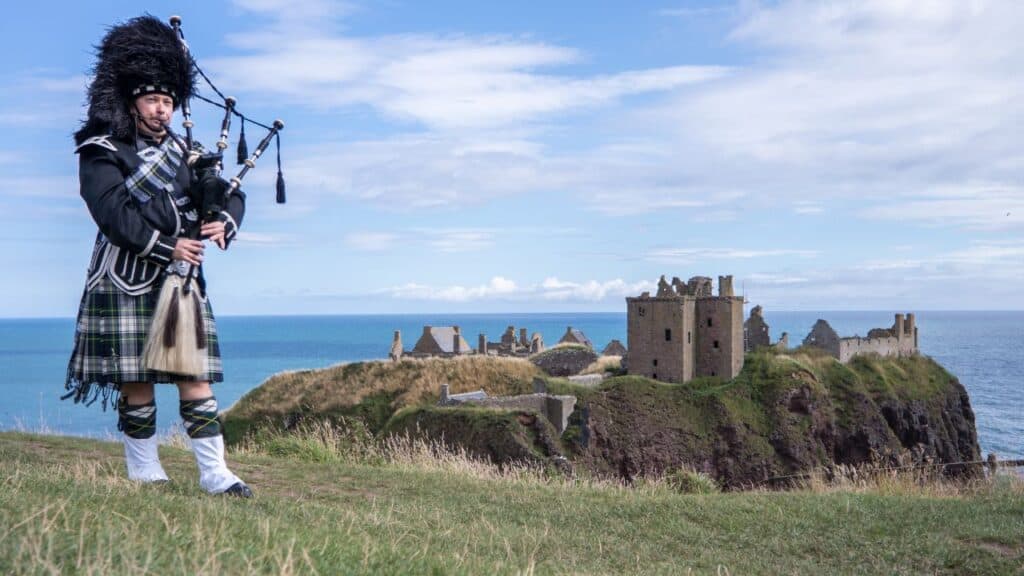
The story of the Edinburgh Tattoo begins in 1950, growing from a modest military show called “Something About a Soldier” that took place during the Edinburgh International Festival the previous year. The term “Tattoo” itself has fascinating roots, it comes from the Dutch phrase “doe den tap toe,” which means “turn off the taps.” This was a signal for soldiers to return to their barracks after a night of drinking, a tradition the British Army adopted in the 17th century.
In the years following World War II, Scotland was eager to rebuild national pride and celebrate its cultural identity. The first Tattoo perfectly captured this spirit, featuring 20 performances centered on Scottish piping and dancing that drew about 100,000 spectators. From day one, the event included fireworks, a tradition that continues to this day. The inaugural show also established the moving tradition of the Lone Piper, with Pipe Major George Stoddart taking the first honors.
Key Milestones in its 75-Year History
Over its 75th anniversary journey, the Tattoo has marked many significant moments. A particularly exciting milestone came in 2010 when Queen Elizabeth II officially designated it the “Royal Edinburgh Military Tattoo” to celebrate its 60th anniversary. Today, HRH The Princess Royal, Princess Anne, is the Military Tattoo’s proud patron.
Breaking with tradition, 1977 saw Officer Cadet Elaine Marnoch become the first female lone piper, opening doors for women in what had been a male-dominated arena. Throughout the decades, the Tattoo has continued to grow, incorporating color television broadcasts in 1968 and gradually introducing ever more impressive light shows and projections.
Cultural Significance for Scotland and the Global Audience
The Tattoo has become much more than just an annual event; it’s a powerful symbol of Scottish identity. Each year, over 220,000 people attend in person, while an estimated 100 million viewers watch broadcasts worldwide. That’s a staggering reach for a festival that began as a small military display!
With participants from more than 40 countries taking part over the years, the Tattoo has become a platform for international cultural exchange. It’s helped build diplomatic bridges and strengthen Scotland’s connections across the globe. And let’s not forget its economic impact, the event drives tourism and supports local businesses throughout Edinburgh and beyond.
The Variety of Performances
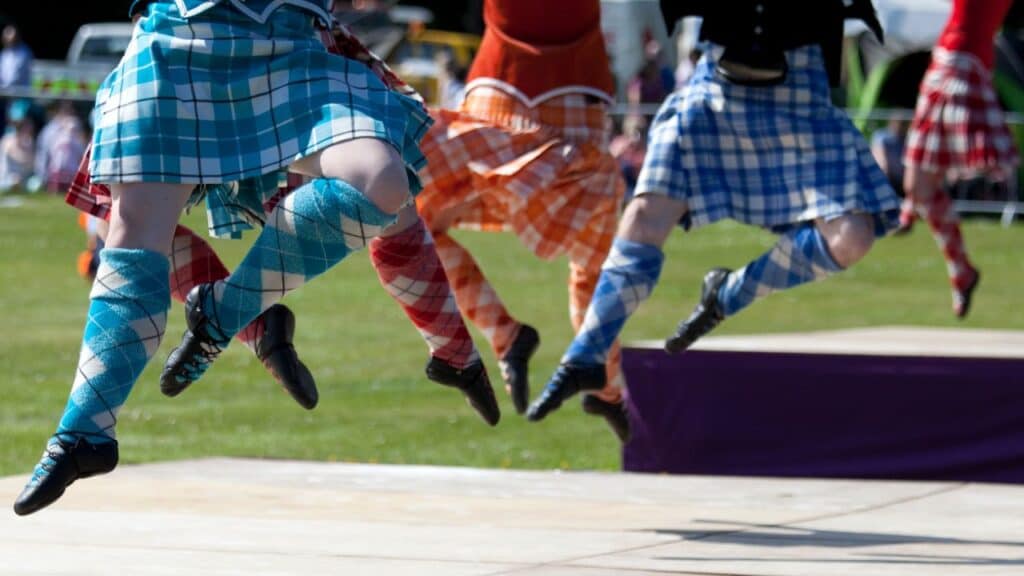
What makes the Tattoo so special? It’s the incredible mix of traditional and innovative performances. Military bands provide stirring music, pipes and drums create that unmistakable Scottish atmosphere, and Highland dancers showcase their precision and grace.
Each year brings something new. The Castle serves as the perfect backdrop for stunning visual displays, with light shows synchronized to music and spectacular pyrotechnics lighting up the Edinburgh sky. Annual themes, like this year’s “The Heroes Who Made Us”, give each Tattoo its unique character while maintaining the traditions people love.
Contributions from More than 40 Nations
Since 1952, when international performers first joined the lineup, the Tattoo has grown increasingly global. While remaining distinctly Scottish at its core, the event now features acts from across Africa, Asia, Europe, and the Americas.
Some of the most memorable performances have challenged traditional expectations. All-female military bands from Egypt and Korea have brought fresh perspectives, while indigenous cultural groups have introduced their unique art forms to the Edinburgh stage.
Evolving to Attract and Engage New Audiences
The Tattoo continues to change with the times while honoring its traditions. Recent years have seen fresh musical genres, contemporary dance elements, and variety acts that appeal to younger audiences.
There’s also been a growing emphasis on women’s participation, both on stage and behind the scenes. Female band leaders and featured soloists are increasingly common, reflecting the Tattoo’s commitment to inclusion and representation.
Celebrating 75 Years of Magic

As the Edinburgh Tattoo marks its platinum anniversary, it stands as more than just a military spectacle. It’s become a treasured tradition that connects generations and cultures while showcasing the evolving face of Scotland to the world.
If you’ve never experienced the magic of those bagpipes echoing against Edinburgh Castle on a summer evening, I’d say this anniversary year is the perfect time to add it to your bucket list.